
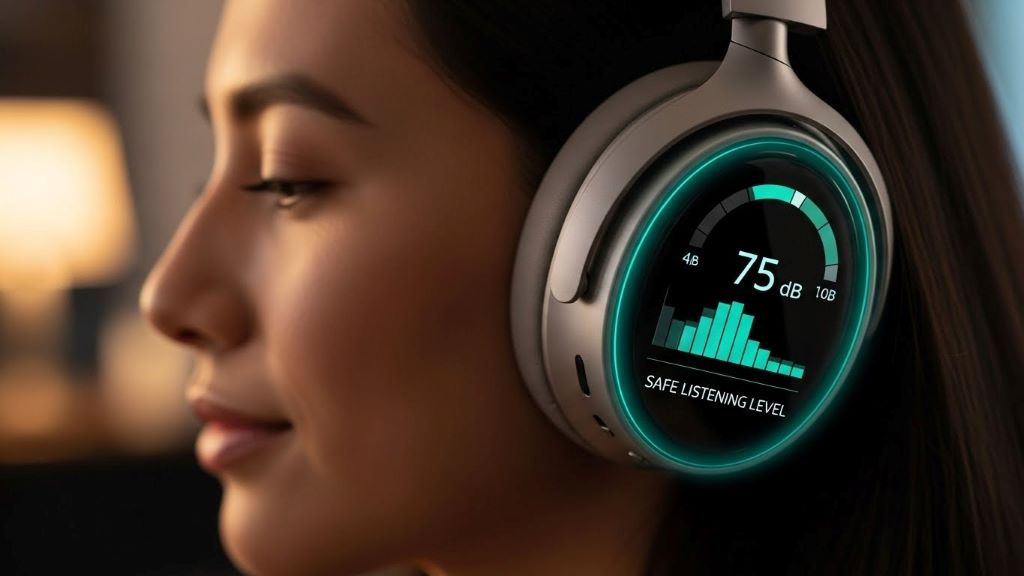
The world of audio technology is evolving rapidly, and headphones are no longer just about sound quality. Today, consumers are discovering innovative features that protect and monitor their hearing health. According to experts at Headphones Unboxed, manufacturers are integrating sophisticated health monitoring systems into everyday listening devices. These advancements represent a significant shift in how we approach personal audio experiences.
Modern headphones now serve a dual purpose. They deliver excellent sound while simultaneously protecting your ears from potential damage. Additionally, the latest trends for headphones emphasize wellness features that track listening habits and provide real-time feedback. This integration of health technology into audio devices marks an important milestone in consumer electronics.
Understanding Ear Health Risks
Before exploring protective features, it’s essential to understand why ear health monitoring matters. The World Health Organization estimates that over 1 billion young people risk hearing loss due to unsafe listening practices. Prolonged exposure to loud sounds damages delicate hair cells in the inner ear. Unfortunately, this damage is permanent and cumulative.
Many people don’t realize they’re listening at dangerous volumes until symptoms appear. Consequently, preventive measures have become crucial. Headphone manufacturers are responding by building safety features directly into their products. These innovations help users maintain healthy listening habits without compromising their enjoyment.
Volume Limiting Technology
One of the most fundamental ear-health features is intelligent volume limiting. This technology automatically caps maximum output levels to protect your hearing. However, unlike simple volume restrictions, modern systems use sophisticated algorithms. They analyze your listening patterns and adjust limits accordingly.
Smart volume controls also account for different environments. For instance, they recognize when you’re in a noisy setting and prevent you from turning up the volume excessively. Therefore, you get clear audio without risking hearing damage. Some headphones even provide warnings when you attempt to exceed safe listening levels for extended periods.
Real-Time Decibel Monitoring
Advanced headphones now include real-time decibel monitoring systems. These features track the sound pressure levels entering your ears throughout the day. The data helps you understand your cumulative noise exposure. Moreover, companion apps display this information in easy-to-understand formats.
Users can set personalized thresholds based on their preferences and health goals. When you approach or exceed these limits, the system sends gentle notifications. This awareness empowers you to make informed decisions about your listening habits. Additionally, some devices store historical data, allowing you to track long-term trends and patterns.
Hearing Test Integration
Several premium headphone models now offer built-in hearing tests. These assessments create personalized sound profiles tailored to your unique hearing characteristics. The tests typically take just a few minutes and use scientifically validated methodologies. Afterward, the headphones automatically adjust their output to compensate for any hearing deficiencies.
This personalization ensures you hear all frequencies clearly without unnecessarily increasing volume. Furthermore, regular testing helps you monitor changes in your hearing over time. Early detection of hearing degradation allows you to take corrective action before problems become severe. According to research published by the National Institutes of Health, early intervention significantly improves outcomes.
Active Noise Cancellation Benefits
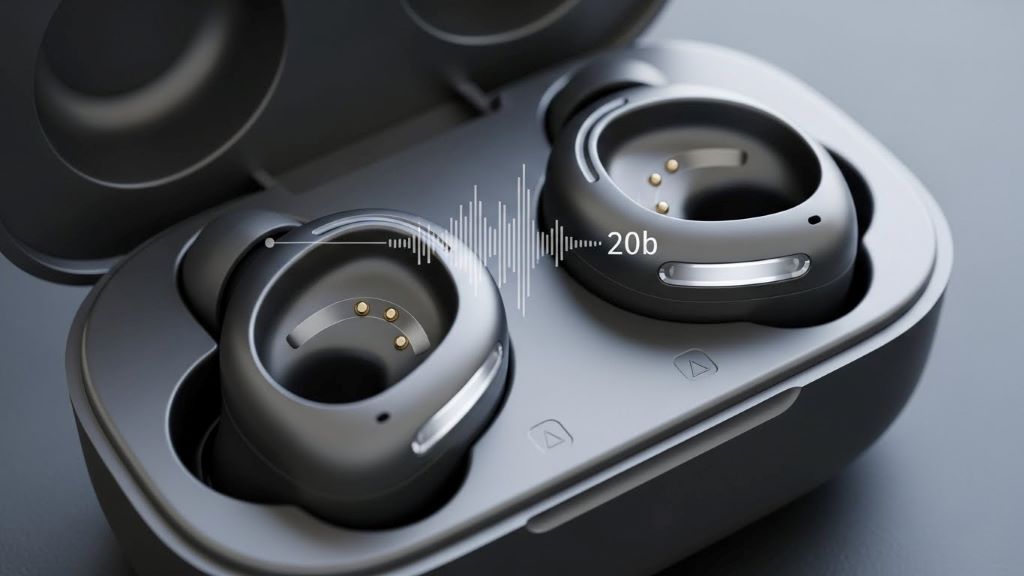
While active noise cancellation (ANC) is primarily marketed for comfort, it offers substantial health benefits. ANC technology reduces the need to increase volume in noisy environments. By blocking external sounds, these headphones let you hear clearly at lower, safer volumes.
This feature is particularly valuable for commuters and frequent travelers. Instead of cranking up the volume to overcome airplane or traffic noise, ANC creates a quiet listening environment. Therefore, you protect your hearing while enjoying immersive audio experiences. Modern ANC systems have become remarkably effective, filtering out a wide range of frequencies.
Safe Listening Time Alerts
Innovative headphones now calculate and track your safe listening time. These systems consider both volume levels and duration of exposure. When you’re approaching unsafe listening thresholds, the headphones provide alerts. Some devices gradually reduce volume or suggest breaks.
This feature follows guidelines established by hearing health organizations worldwide. The alerts help you develop healthier listening habits over time. Additionally, they’re especially useful for people who wear headphones throughout their workday. Regular breaks prevent fatigue and reduce the risk of long-term damage.
Ambient Sound Awareness
Transparency modes and ambient sound features contribute to ear health in unexpected ways. These technologies allow external sounds to pass through while you’re listening to audio. Consequently, you don’t need to remove your headphones to hear important sounds around you.
This capability reduces the temptation to use dangerously high volumes. You can maintain awareness of your environment at reasonable listening levels. Furthermore, these features enhance safety by keeping you alert to potential hazards. Many users find this balance between immersion and awareness improves their overall listening experience.
Customizable Sound Profiles
Advanced headphones offer extensive sound customization options that support ear health. Users can adjust equalization settings to emphasize frequencies they have difficulty hearing. This customization reduces the need for excessive volume increases. Moreover, it ensures balanced audio reproduction across the entire frequency spectrum.
Some systems use machine learning to refine sound profiles automatically. They analyze your listening preferences and hearing characteristics over time. The result is audio that sounds clear and detailed at moderate volumes. This technology makes safe listening more enjoyable and sustainable.
Biomonitoring Capabilities
Cutting-edge headphones are beginning to incorporate broader biomonitoring features. Some models measure heart rate, body temperature, and even stress levels through ear-based sensors. While not directly related to hearing health, these metrics provide a comprehensive wellness picture.
Understanding how your body responds to different listening environments can inform healthier habits. For example, elevated stress during loud music sessions might prompt you to reduce volume. These holistic approaches reflect the growing intersection between consumer electronics and personal health monitoring.
Materials and Ergonomic Design
Physical ear health depends on more than just volume control. Headphone materials and design significantly impact comfort and safety. Premium models use hypoallergenic materials that reduce irritation and infection risk. Additionally, ergonomic designs minimize pressure on sensitive ear structures.
Proper fit ensures optimal noise isolation, reducing the need for high volumes. Manufacturers are investing heavily in research to create headphones that accommodate diverse ear shapes and sizes. Adjustable components let users find the perfect fit for their anatomy. Therefore, comfort and health protection work hand in hand.
Future Developments
The future of ear-health monitoring in headphones looks promising. Researchers are developing sensors that can detect early signs of hearing damage. Some prototypes can identify changes in inner ear function before symptoms become noticeable. These innovations could revolutionize preventive hearing healthcare.
Integration with broader health ecosystems is also on the horizon. Imagine headphones that share data with your healthcare provider or fitness tracking apps. This connectivity could enable more comprehensive health monitoring and personalized recommendations. As technology advances, the line between audio devices and health tools continues to blur.
Conclusion
Ear-health monitoring represents a crucial evolution in headphone technology. These features protect users from hearing damage while maintaining excellent audio quality. From volume limiting to real-time decibel monitoring, manufacturers are prioritizing wellness alongside performance. As awareness of hearing health grows, these innovations will become standard rather than premium features. Investing in headphones with health monitoring capabilities is an investment in your long-term wellbeing. By choosing devices that protect your hearing, you ensure years of safe, enjoyable listening experiences.
Frequently Asked Questions
What volume level is safe for headphone use?
Experts recommend keeping headphone volume at or below 60% of maximum for no more than 60 minutes at a time. This 60/60 rule helps prevent hearing damage. However, safe levels vary based on individual sensitivity and headphone type. Headphones with ear-health monitoring can provide personalized recommendations based on your specific usage patterns.
How do headphones measure decibel levels in real-time?
Modern headphones use miniature microphones and sensors placed inside the ear cups or earbuds. These components measure sound pressure levels as audio enters your ear canal. Sophisticated algorithms process this data and compare it against established safety thresholds. The information is then displayed through companion apps or on-device indicators.
Can headphones actually improve my hearing?
Headphones cannot restore lost hearing, but they can optimize your listening experience. Hearing test features create customized sound profiles that compensate for deficiencies across different frequencies. This personalization helps you hear more clearly without increasing volume to dangerous levels. Therefore, they support healthier listening practices rather than improving actual hearing capability.
Are ear-health monitoring features worth the extra cost?
For regular headphone users, ear-health features provide significant long-term value. Hearing damage is permanent and can require expensive medical intervention. Preventive technology helps you avoid these problems entirely. Additionally, many users find that awareness of their listening habits naturally leads to healthier behaviors. The investment in protective features often pays for itself through prevention.
How often should I take breaks when using headphones?
Healthcare professionals recommend taking a 5-10 minute break for every hour of headphone use. These breaks allow your ears to recover from continuous sound exposure. However, the ideal frequency depends on volume levels and environmental factors. Headphones with safe listening time alerts can provide personalized break recommendations based on your actual usage patterns and volume settings.
Related Topics: