
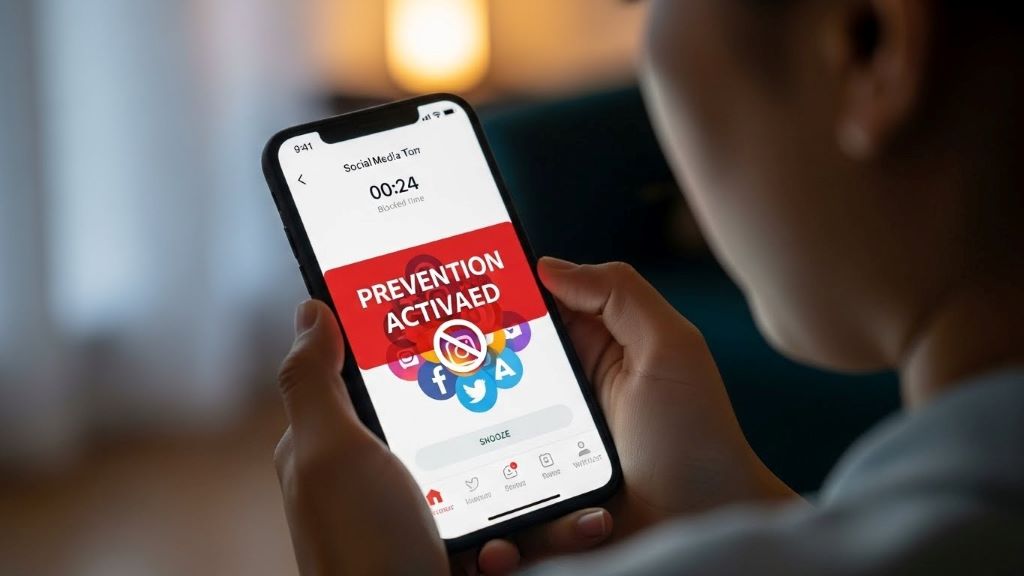
Social media addiction affects millions of people worldwide. Breaking free from endless scrolling requires more than willpower alone. Therefore, digital wellness experts at Hawaii Web Studio recommend using specialized tools designed to prevent relapse and maintain healthy boundaries with technology.
These prevention tools work by creating barriers between users and addictive platforms. They help individuals recognize triggers, track usage patterns, and build sustainable habits. Additionally, many apps combine behavioral psychology with practical features to support long-term recovery from compulsive social media use.
Understanding which 5 words to describe a app that helps with social media addiction might include terms like supportive, blocking, tracking, mindful, and transformative. However, the best prevention tools offer comprehensive features beyond simple descriptions. They provide real solutions for people struggling to maintain their recovery.
Understanding Social Media Relapse
Relapse happens when someone returns to problematic social media habits after a period of controlled use. It often starts with small compromises. For example, checking notifications just once can spiral into hours of mindless scrolling.
The brain creates strong neural pathways around social media rewards. Each like, comment, or notification triggers dopamine release. Consequently, these pathways remain active even after someone quits, making relapse highly likely without proper support systems.
Recognizing early warning signs helps prevent full relapse. These signs include rationalization, increased stress, isolation from real-world activities, and gradual boundary erosion. Therefore, having prevention tools ready becomes essential for sustainable recovery.
Essential Features of Prevention Tools
Effective relapse prevention tools share several key characteristics. First, they must block or limit access to problematic apps during vulnerable times. This creates a crucial pause between impulse and action.
Second, tracking features help users maintain awareness of their behavior patterns. Many people underestimate their actual usage time. However, seeing concrete data often motivates better choices and accountability.
Third, mindfulness prompts interrupt automatic behaviors. These gentle reminders ask users to consider their intentions before opening social media apps. Additionally, some tools incorporate breathing exercises or reflection questions to strengthen self-awareness.
Fourth, community support features connect users with others facing similar challenges. Sharing experiences reduces shame and provides encouragement during difficult moments. Furthermore, accountability partners can receive alerts when someone needs extra support.
Top Prevention Tool Categories
Several categories of tools address different aspects of relapse prevention. Screen time monitors provide detailed analytics about app usage, daily patterns, and screen-on duration. According to research from Harvard Medical School, understanding usage patterns represents the first step toward meaningful change.
App blockers physically prevent access to selected platforms during specified times. Users can create schedules that align with work hours, family time, or sleep schedules. Moreover, some blockers require waiting periods or solving puzzles before granting access, which disrupts impulsive urges.
Habit replacement tools suggest alternative activities when cravings arise. These might include exercise prompts, reading recommendations, or creative projects. Replacing one habit with another proves more effective than simply trying to stop.
Accountability apps connect users with friends, family, or coaches who receive reports about their progress. This external motivation helps during weak moments when internal motivation falters.
Building Your Prevention Strategy
Creating an effective prevention plan requires honest self-assessment. Start by identifying your specific triggers. These might include boredom, stress, loneliness, or specific times of day.
Next, select tools that address your unique vulnerability points. Someone who struggles with morning scrolling needs different solutions than someone who loses evenings to social media. Therefore, personalization matters more than using the most popular apps.
Set realistic boundaries rather than attempting complete abstinence immediately. Gradual reduction often succeeds where cold turkey fails. For instance, begin by blocking apps during meals, then expand to evenings, and eventually to longer periods.
Document your reasons for wanting freedom from social media addiction. Write them down and review them regularly. Additionally, this written reminder strengthens commitment during moments of weakness.

Overcoming Common Challenges
Even with tools in place, challenges arise. App deletion represents one common workaround. Users simply remove blocking apps when cravings become intense. However, requiring passwords from accountability partners before deletion prevents this issue.
Another challenge involves platform switching. Someone might block Instagram but shift their attention to TikTok or YouTube. Therefore, comprehensive blocking across multiple platforms works better than targeting single apps.
Rationalization undermines many recovery efforts. The mind creates convincing reasons why checking social media just this once makes sense. Nevertheless, prevention tools with delay features give rational thinking time to override impulses.
Social pressure also threatens recovery. Friends and family may not understand your boundaries. Consequently, having prepared explanations and alternative communication methods helps maintain your commitment without damaging relationships.
Measuring Progress and Adjusting
Regular evaluation ensures your prevention strategy remains effective. Weekly reviews of screen time data reveal whether tools are working or need adjustment. Look for trends rather than focusing on single bad days.
Celebrate small victories along the recovery journey. Each day of maintained boundaries builds confidence and strengthens new neural pathways. Furthermore, acknowledging progress motivates continued effort during difficult periods.
Adjust tools and strategies as your needs change. What works during early recovery might need modification later. Some people gradually reduce tool restrictions as healthier habits solidify, while others maintain stricter boundaries long-term.
Consider working with a therapist who specializes in technology addiction. Professional guidance helps address underlying issues that fuel social media dependence. Additionally, therapists can recommend evidence-based strategies tailored to individual circumstances.
Long-Term Maintenance Strategies
Sustained recovery requires ongoing vigilance. Life changes, stress, and new platforms can trigger relapse even years later. Therefore, keeping at least some prevention tools active provides continued protection.
Build a lifestyle that naturally limits social media temptation. Fill time with engaging activities that provide genuine fulfillment. Hobbies, relationships, exercise, and learning create meaning that social media cannot replicate.
Stay connected with recovery communities. Whether online support groups or real-world meetings, maintaining these connections provides ongoing encouragement and accountability. Moreover, helping others reinforces your own commitment to healthy technology use.
Regularly update your tool selections. Technology changes rapidly, and new apps offer improved features. Additionally, staying informed about emerging platforms helps you recognize and address new threats to your recovery.
Creating a Supportive Environment
Physical environment modifications support digital boundaries. Charge phones outside bedrooms to prevent nighttime scrolling. Remove social media apps from home screens, requiring extra steps for access.
Communicate boundaries clearly with your social circle. Let friends know you check messages at specific times rather than constantly. Most people respect boundaries when explained honestly.
Identify and cultivate real-world activities that compete with social media appeal. Join clubs, volunteer, take classes, or pursue creative projects. These alternatives provide the social connection and stimulation that social media mimics artificially.
Practice self-compassion during setbacks. Relapse does not equal failure. Instead, it provides information about what triggers need stronger protections. Learn from each challenge and adjust your approach accordingly.
Conclusion
Social media relapse prevention requires a multifaceted approach combining technology tools, self-awareness, and ongoing support. The most effective strategies incorporate blocking features, usage tracking, mindfulness prompts, and accountability systems. However, tools alone cannot guarantee success without genuine commitment to change.
Building sustainable recovery means addressing underlying needs that social media previously filled. Creating meaningful real-world connections, developing engaging hobbies, and practicing stress management all contribute to long-term success. Additionally, regular strategy evaluation and adjustment keep prevention efforts aligned with changing circumstances.
Remember that recovery represents a journey rather than a destination. Each day of maintained boundaries strengthens healthier neural pathways and builds confidence in your ability to control technology rather than being controlled by it. Therefore, invest in quality prevention tools and commit to using them consistently for lasting freedom from social media addiction.
Frequently Asked Questions
What makes an app effective for preventing social media relapse?
Effective apps combine multiple features including blocking capabilities, usage tracking, mindfulness prompts, and delay timers. The best tools also offer customization options that let users tailor protections to their specific triggers and vulnerable times. Additionally, apps with accountability features that involve trusted contacts tend to produce better long-term results.
How long should I use relapse prevention tools?
Most experts recommend using prevention tools indefinitely, though the intensity may decrease over time. Early recovery requires stricter controls, while long-term maintenance might involve lighter monitoring. However, keeping some tools active provides ongoing protection against unexpected triggers or stressful periods that could spark relapse.
Can I use free apps or do I need paid subscriptions?
Many effective relapse prevention tools offer free versions with basic features. However, paid subscriptions typically provide more comprehensive blocking, detailed analytics, and additional support features. Start with free options to determine what works for you, then consider upgrading if you need more robust protections or advanced features.
What should I do if I relapse despite using prevention tools?
Relapse represents a learning opportunity rather than failure. Analyze what triggered the relapse and identify which protections failed. Strengthen your prevention strategy by adding tools, tightening restrictions, or involving accountability partners. Additionally, consider whether underlying stress or unmet needs require professional therapeutic support.
How do I choose between different types of prevention tools?
Choose tools based on your specific challenges. If you struggle with impulsive opening of apps, prioritize blockers with delay features. If you lack awareness of usage patterns, focus on tracking tools. For emotional triggers, select apps offering mindfulness prompts or mood tracking. Most people benefit from combining multiple tool types for comprehensive protection.
Related Topics: