
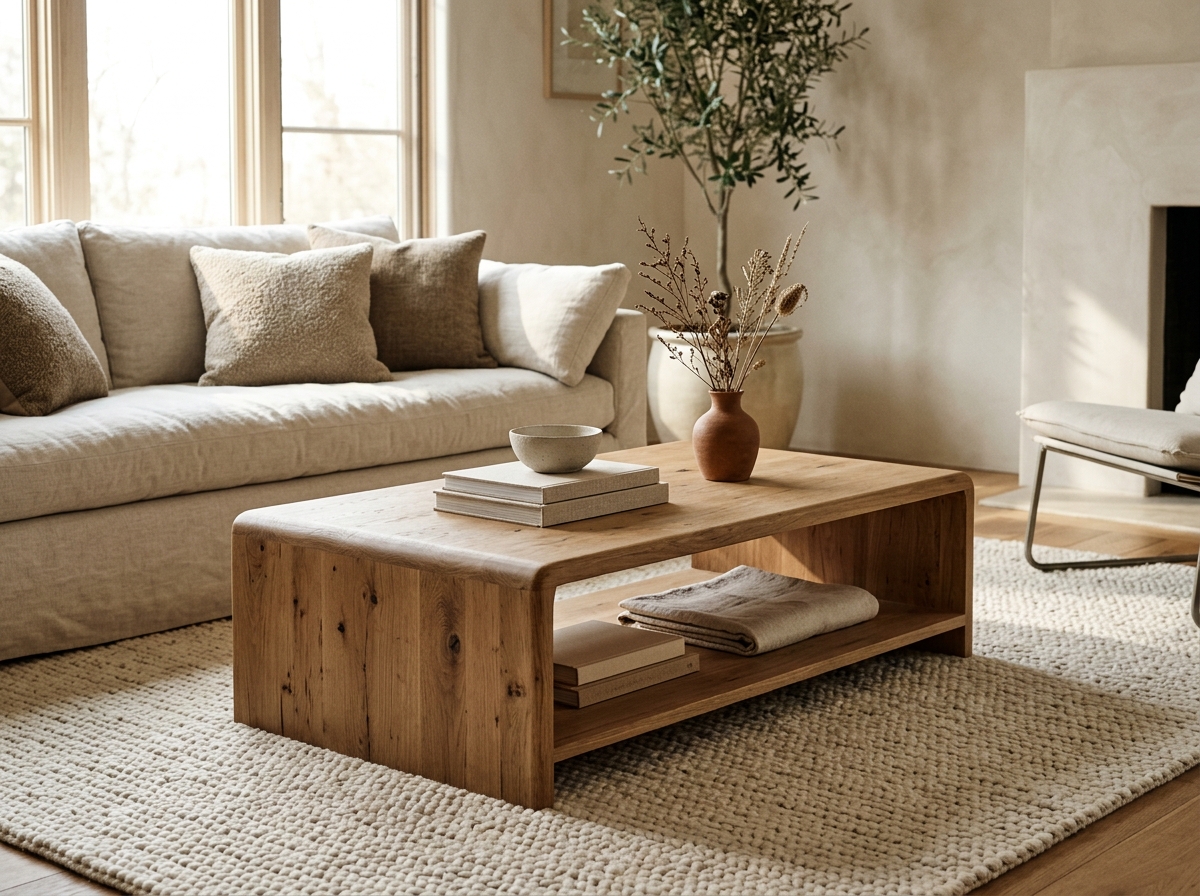
A coffee table does far more than hold a mug. It anchors the seating area, gives people a convenient place for everyday items, and helps the room feel intentional. The right choice balances scale, comfort, durability, and personality, so it looks at home without becoming an obstacle.
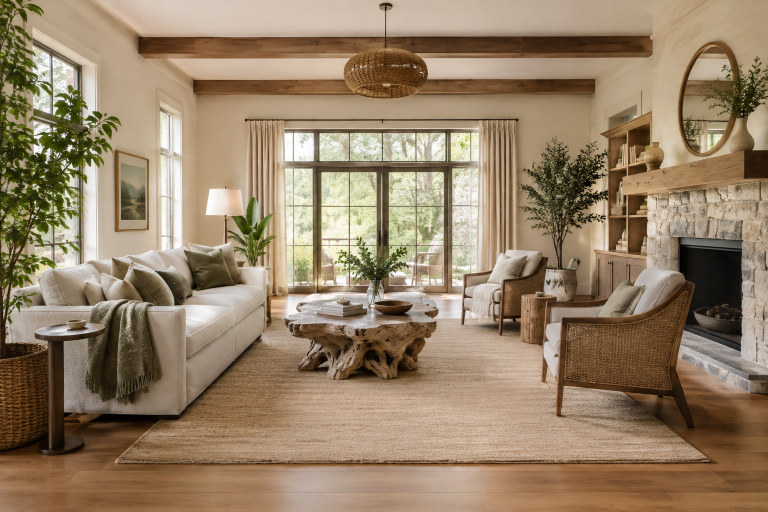
For a nature-led room, a sculptural Faux Bois coffee table can provide both function and visual character. Faux Bois Furniture, created by Diane Husson in Norfolk, Virginia, presents a gallery of handcrafted benches, tables, chairs, and decorative pieces that interpret branch-like and wood-inspired forms for indoor and garden settings. A table with that kind of handmade presence can become a focal point without requiring the rest of the room to match it exactly.
Start With The Room, Not The Table
Shopping is more productive when you start with measurements rather than inspiration photos. Record the length of the sofa, its seat height, the size of the rug, nearby chairs, and the walking routes people use most often. A table that looks perfectly proportioned in a large online photo may overwhelm a compact living room.
Before buying, use painter’s tape to outline the table’s footprint on the floor. Live with that shape for a day or two. Sit on the sofa, walk around the taped area, open nearby drawers, and notice whether the proposed size makes the room easier or harder to use. This simple test can prevent a costly scale mistake.
Get Height And Clearance Right
In most living rooms, a coffee table works best when its top sits close to the height of the sofa seat, or slightly lower. A much taller table can feel intrusive when people are seated, while a very low one may be awkward for setting down drinks, books, or a laptop.
Leave roughly 14 to 18 inches between the sofa and the coffee table. This range supports comfortable reach while leaving enough room to move through the seating area. Guidance on furniture layout clearances also emphasizes that circulation should feel natural rather than squeezed. Consider a wider gap if young children, pets, older adults, or frequent guests use the room.
Choose A Shape That Improves Movement
Shape affects both the look of the room and how people move through it. Choose the outline that supports the seating arrangement rather than forcing the arrangement to work around the table.
- Rectangular tables suit long sofas, sectionals, and larger seating zones because they provide a generous surface area.
- Round tables soften a room full of straight lines and remove sharp corners from busy pathways.
- Oval tables offer a similar sense of flow while retaining more usable length than a round option.
- Square tables can work well with balanced, symmetrical seating, but they may feel bulky in a narrow room.
- Organic shapes bring movement and interest through their silhouette rather than through bright color or excessive decoration.
Match The Material To Daily Life
Material matters because coffee tables serve as work surfaces. Wood often adds warmth and visible texture. Glass can make a small room feel visually lighter, though it may show fingerprints and require frequent cleaning. Metal can introduce contrast and structure. Stone, concrete, and composite finishes may offer a substantial look, but weight, edges, and maintenance should be considered before bringing one home.
Think honestly about how the room operates. Families with children may prefer stable pieces with softened edges and forgiving finishes. Households that entertain often may prioritize a broad, easy-to-clean surface. If pets jump onto furniture or drinks are frequently set down without coasters, a delicate finish may create more stress than enjoyment. The best material is the one that suits the habits of the people living with it.
Use A Faux Bois Table As A Natural Focal Point
Faux bois is a decorative style that recreates the appearance of wood, bark, branches, roots, or twisting vines. In a coffee table, those forms can add texture and an artistic point of view to a living room, sunroom, covered porch, or garden sitting area.
Because a sculptural faux bois table already has presence, let it breathe. Pair it with calmer upholstery, a simple rug, and accessories that do not compete for attention. Natural linen, woven fibers, ceramic vessels, stone objects, and leafy plants can reinforce the organic direction while keeping the overall composition relaxed.
Think About Function Before Styling
Ask what the table needs to do on an ordinary day. A beautiful piece can still be frustrating if it leaves no room for remotes, snacks, games, or the items people reach for every evening.
- Choose a broad surface for drinks, shared snacks, board games, or a laptop.
- Look for shelves, drawers, or concealed storage if clutter tends to collect in the living room.
- Consider nesting tables in a small space where extra surface area is useful only when guests arrive.
- Use an upholstered ottoman with a sturdy tray if comfort and a place to put up feet matter most.
Build A Balanced Coffee Table Arrangement
A coffee table should feel useful even after it is styled. Start with a tray or shallow bowl to gather small items, add one or two books for height, then include a natural object such as a plant, ceramic piece, stone, or small branch. Leave open space for a drink and for the everyday rhythm of the room.
Recent coffee table styling ideas have favored more personal, collected arrangements over overly uniform displays. That does not mean filling every inch of the surface. A few objects with different heights and textures will usually feel more inviting than a tabletop crowded with decoration.
Common Mistakes To Avoid
- Buying before measuring the seating area and walkways.
- Choosing a shape that blocks the main path through the room.
- Ignoring the sofa seat height.
- Selecting a fragile finish for a high-traffic family space.
- Using a statement table alongside too many competing focal points.
- Covering the entire tabletop with decorative objects.
- Assuming an indoor table is suitable for uncovered outdoor exposure.
A Simple Five-Step Buying Checklist
- Measure the seating area, rug, and nearby walkways.
- Choose a height close to the sofa seat.
- Select a shape that keeps movement comfortable.
- Pick a material that suits daily use and maintenance preferences.
- Preserve enough open surface for the way people actually live.
Questions Readers May Have
How Large Should A Coffee Table Be?
A common guideline is to choose a table that is about one-half to two-thirds the length of the sofa. Use that as a starting point, then confirm that there is enough clearance for comfortable movement.
Should A Coffee Table Match The Sofa?
No. Similar warmth, visual weight, or texture can create harmony without making the room feel like a showroom set.
Are Round Coffee Tables Better For Small Rooms?
Round and oval tables can improve movement by eliminating sharp corners, but the best choice still depends on the seating layout and available floor space.
Choose the room you actually live in
The best coffee table supports conversation, comfort, movement, and personal style all at once. Choose proportions that fit the room, materials that suit your routines, and details that ground the space. When a table works hard and looks natural in its setting, it becomes part of how the room is lived in, not just another object placed in the middle of it.