
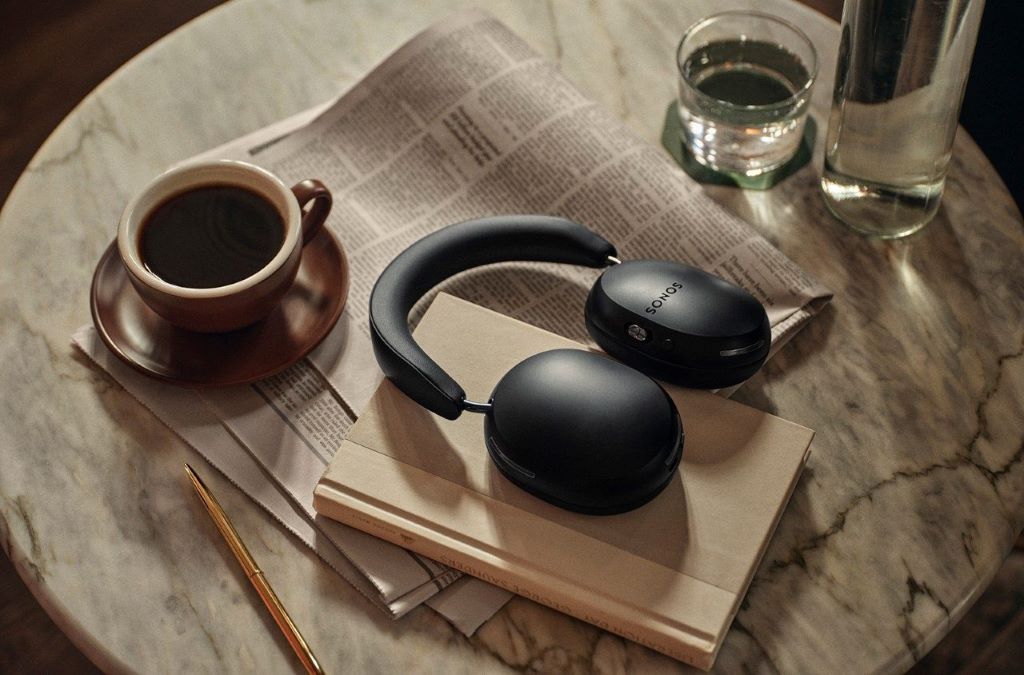
In a world filled with podcasts, playlists, and audiobooks, a great pair of headphones is no longer a luxury—it’s an essential part of our daily toolkit. They allow us to create a personal sanctuary of sound, whether we’re on a crowded train or relaxing in our living room. However, the sheer variety of options can be overwhelming. The journey to find the perfect pair often starts with a fundamental choice: do you need headphones built for the road or for the home? As experts in audio gear, we at Headphones Unboxed understand that this decision shapes your entire listening experience.
Choosing the right headphones is about aligning technology with your lifestyle. A pair that excels in a quiet study might be completely useless on a noisy airplane. Conversely, features that are critical for travel, like active noise cancellation, may be unnecessary for home use. The key is to understand the distinct design philosophies and feature sets that separate these two categories. To truly grasp these differences, it’s essential to compare headphones side by side, looking beyond marketing claims and focusing on real-world performance.
This comprehensive guide will break down the battle of travel headphones vs home headphones. We will explore the critical differences in sound quality, design, features, and comfort to help you determine which type is the perfect match for your listening habits. By the end, you’ll be equipped with the knowledge to invest confidently in a pair of headphones that will serve you well for years to come.
What Are Travel Headphones? The Sound of Silence on the Go
Travel headphones are the modern nomad’s best friend. Engineered specifically for life outside the home, their primary mission is to deliver a consistent and enjoyable audio experience in unpredictable, often loud, environments. Think of them as your personal bubble of tranquility.
The defining feature of most travel headphones is Active Noise Cancellation (ANC). This remarkable technology uses built-in microphones to detect ambient sounds—like the drone of a plane engine or the chatter of a busy cafe—and then generates an opposing sound wave to cancel them out before they reach your ears. The result is a dramatically quieter backdrop for your music or podcasts.
Additionally, travel headphones are designed with portability and durability in mind. They are almost always wireless, utilizing Bluetooth to free you from tangled cables. Many models feature a foldable or collapsible design, allowing them to fit neatly into a compact carrying case that can be tossed into a backpack. Manufacturers use lightweight yet robust materials to ensure they can withstand the bumps and scrapes of daily commutes and long-haul flights.
What Are Home Headphones? The Pursuit of Pure Audio Fidelity
Home headphones, often referred to as audiophile or critical listening headphones, serve a completely different purpose. Their goal is not to block out the world but to reproduce sound with the highest possible accuracy and detail. These are the headphones you use when you want to sit down, close your eyes, and truly immerse yourself in the music.
The most significant distinction in this category is the choice between open-back and closed-back designs. Closed-back home headphones have solid earcups that seal around your ears, providing excellent passive noise isolation and preventing sound from leaking out. However, for the ultimate in audio purity, many enthusiasts prefer open-back headphones. These models have grilles or vents on the earcups that allow air and sound to pass through freely.
This open design creates a spacious, natural, and speaker-like soundstage that is incredibly immersive. The trade-off is that they provide almost no noise isolation and leak sound significantly, making them unsuitable for public use. Home headphones are also typically wired to ensure a lossless, uncompressed audio signal. They are built for comfort during long listening sessions, often featuring larger earcups, plush velour pads, and a lower clamping force than their travel-focused counterparts.
Key Differences: A Side-by-Side Breakdown
Now that we have defined our contenders, let’s dive into a direct comparison across the most important criteria.
Sound Quality and Audio Signature
This is where the design philosophies diverge most sharply.
- Home Headphones: The priority is sonic purity and a neutral frequency response. They aim to reproduce music exactly as the artist and engineer intended, with detailed highs, clear mids, and a tight, accurate bass. Open-back models, in particular, offer an expansive soundstage that makes you feel like you’re in the room with the musicians. They are the clear winner for critical, analytical listening in a quiet environment.
- Travel Headphones: While sound quality is still important, it’s often tuned to perform well in noisy settings. Many travel headphones have a slightly more “V-shaped” or “U-shaped” sound signature, with boosted bass and treble to cut through ambient noise. The focus is on a powerful, engaging, and clear sound rather than pure neutrality. The processing required for ANC can also subtly color the audio. For most listeners, the sound is excellent, but a dedicated audiophile might find it less authentic than a high-end home pair.

Design, Portability, and Durability
The physical construction of these headphones is tailored to their intended environment.
- Travel Headphones: Portability is paramount. They are engineered to be lightweight, foldable, and compact. They almost always come with a protective hard-shell or soft-shell case. Build materials are chosen for a balance of low weight and high durability—think high-quality plastics, metal headbands, and synthetic leather earpads that can handle being packed and unpacked repeatedly.
- Home Headphones: Portability is an afterthought. These headphones are often larger, heavier, and do not fold. They are meant to live on a desk or a headphone stand. The build may feature more luxurious but less rugged materials like wood accents or premium metals. Since they aren’t designed for abuse, durability is focused on longevity rather than resistance to drops and scrapes.
Active Noise Cancellation (ANC) vs. Noise Isolation
How a headphone deals with external noise is a crucial differentiator.
- Travel Headphones: ANC is their killer app. Leading models from brands like Sony, Bose, and Apple can reduce low-frequency noise by over 90%, making air travel and commuting significantly more pleasant. This feature is a game-changer for anyone who listens in loud places.
- Home Headphones: ANC is extremely rare. These headphones rely on passive isolation (closed-back models) or have no isolation at all (open-back models). The idea is that you will be using them in a quiet room where blocking external sound is not the primary concern. In fact, for open-back headphones, the lack of isolation is a feature, not a bug, as it contributes to their natural sound.
Connectivity and Features
The user experience is shaped by connectivity options and extra functionalities.
- Travel Headphones: Wireless connectivity via Bluetooth is standard. Modern travel headphones also boast a suite of convenient features, including multi-device pairing (to connect to your phone and laptop simultaneously), companion apps for custom EQ settings, touch controls, and high-quality microphones for taking calls.
- Home Headphones: A wired connection is often preferred to deliver the highest possible audio resolution without compression. Many high-end home headphones have high impedance, meaning they require a dedicated headphone amplifier to be driven properly. They are generally feature-light, focusing entirely on delivering the best possible sound.
Who Should Choose Travel Headphones?
You should opt for travel headphones if you are:
- A daily commuter who takes the bus, train, or subway.
- A frequent flyer who wants to block out engine noise.
- A student or office worker who needs to focus in a noisy environment.
- Someone who values convenience, portability, and wireless freedom above all else.
- A person who needs one pair of headphones to do everything, including taking calls and listening on the move.
Who Should Choose Home Headphones?
Home headphones are the ideal choice if you are:
- An audiophile or music lover who wants to hear every last detail in your favorite recordings.
- A musician, producer, or audio engineer who needs an accurate reference for your work.
- A gamer seeking an immersive and spacious audio experience (especially with open-back models).
- Someone who has a dedicated, quiet space for listening and wants to invest in a pure, uncompromised audio setup.
Conclusion: The Right Tool for the Job
In the debate of travel headphones vs home headphones, there is no single winner. Instead, there is a clear winner for you. The best choice is the one that seamlessly integrates into your daily life and caters to your listening priorities.
Travel headphones are marvels of modern engineering, packing powerful noise cancellation, wireless convenience, and durable designs into a portable package. They are the versatile workhorses of the audio world. However, home headphones represent the pinnacle of audio fidelity, designed for the singular purpose of delivering a breathtakingly pure and immersive sound experience in the comfort of a quiet room.
Therefore, before you make your next purchase, consider where you will be listening most often. Are you battling the sounds of the city, or are you savoring music in solitude? Answering that question will lead you directly to the perfect pair of headphones.
Frequently Asked Questions
-
Can I use my home headphones for travel?
While you technically can, it is generally not recommended. Home headphones, especially open-back models, offer little to no noise isolation, making them difficult to use in loud environments. They are also typically larger, less durable, and often require a wired connection, making them inconvenient for travel.
-
Are travel headphones with ANC good enough for listening at home?
Absolutely. For most people, a high-quality pair of travel headphones will sound fantastic at home. While a dedicated audiophile might prefer the superior soundstage and neutrality of a home headphone, modern travel headphones offer excellent audio quality that will satisfy the vast majority of listeners in any environment.
-
What does “soundstage” mean?
Soundstage refers to the perceived space and dimension of the audio. Headphones with a wide soundstage make it feel as though the music is coming from all around you, similar to listening to a pair of speakers in a room. Open-back home headphones are renowned for their wide and natural-sounding soundstage.9
-
Do wired headphones always sound better than wireless ones?
Historically, yes. However, modern Bluetooth codecs like LDAC and aptX HD have closed the gap significantly, allowing for near-lossless audio transmission wirelessly.10 While a direct wired connection to a high-quality source will always have a slight edge in pure data transfer, the difference is now negligible for most listeners.
-
Is Active Noise Cancellation (ANC) bad for my ears?
No, ANC is not harmful. It does not create “pressure” in the traditional sense. The technology works by creating anti-noise waves to cancel out ambient sound.11 Some people may feel a slight sensation when first using ANC, but it is perfectly safe and does not damage your hearing.
Related Topics:
How to Use a Logic Probe for Automotive Circuits
Four Chrome Extensions That Let Listen To Radio As You Browse