
Key Takeaways
- Traffic tickets can impose significant financial burdens, especially on low-income individuals.
- Unpaid fines may result in driver’s license suspensions, affecting employment opportunities.
- Increased ticketing has been linked to a reduction in traffic accidents.
- There is an ongoing debate about the fairness and effectiveness of traffic enforcement practices.
The Financial Impact of Traffic Tickets
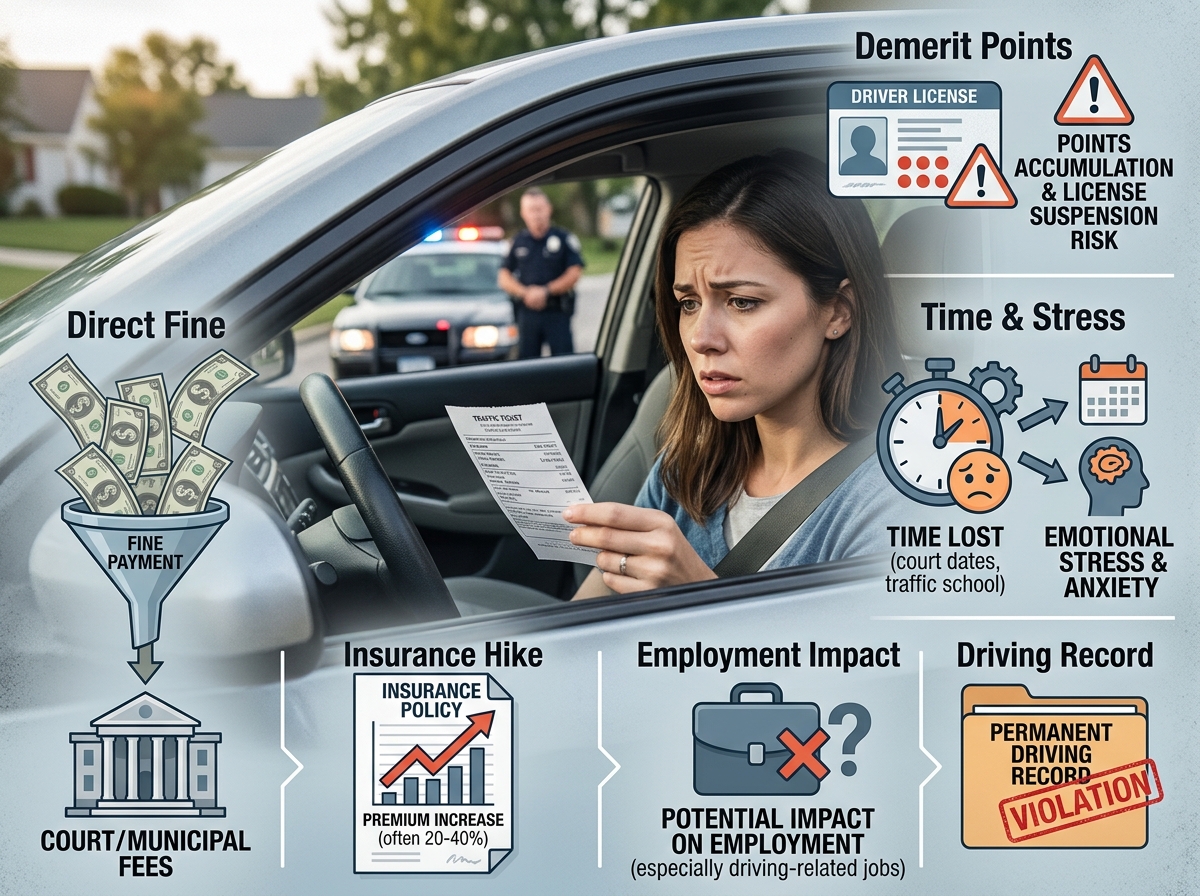
When you receive a traffic ticket, the penalties often involve much more than just a simple fine. Additional court costs, administrative fees, and surcharges can quickly inflate the total amount owed, turning a manageable expense into a major financial setback. For example, in California, a $100 base fine can swell to nearly $500 once all assessments are added. These increasing costs become especially severe for individuals on tight budgets, who may find themselves cycling through mounting debt and additional penalties. Those seeking specific answers about Las Vegas speeding tickets can find helpful legal guidance tailored to Nevada’s unique regulations.
The burden disproportionately impacts low-income individuals, who are less likely to have savings to cover unexpected expenses. When traffic ticket fines snowball, many families must choose between paying their tickets and covering critical necessities like rent or utilities. Studies have shown that aggressive ticketing practices can contribute to cycles of poverty as fines and fees continue to escalate for those unable to pay upfront.
License Suspensions and Employment Challenges
Non-payment of traffic fines rarely stops at collection notices. In several states, unresolved tickets can lead to automatic suspension of driving privileges. Texas data highlights the problem: nearly 1 million residents face license holds due to unpaid traffic violations. Without a valid license, many people find themselves unable to legally drive to work, care for family members, or pursue new employment opportunities, ultimately risking job loss and chronic financial hardship.
The suspension of a driver’s license for unpaid fines is a policy that often deepens inequality. Research indicates that people living in rural areas or those working in places without reliable public transportation are particularly vulnerable. As a result, suspensions can trap individuals in a difficult cycle, where regaining a license requires money they do not have, simply to keep the job required to pay their debt.
The harsh consequences for minor infractions often strain local court systems and social services, diverting resources that could be better spent on more serious offenses.
Traffic Enforcement and Public Safety
While the financial and social costs of tickets are clear, proponents argue that strong traffic enforcement serves a greater good: reducing accidents and fatalities on the road. Recent studies show that a 1 percent increase in ticketing is associated with a measurable 0.28 percent drop in crashes. This relationship suggests that tickets can deter unsafe driving behaviors, helping to protect public safety and minimize preventable accidents.
Nonetheless, questions remain about whether current enforcement methods achieve the intended safety benefits without inflicting unnecessary hardship. Public policy experts note that the threat of fines may deter risky behavior among some drivers, but harsh penalties for minor infractions often burden people who pose little road risk. Effective reform should balance safety improvements with fair, proportional consequences for violations.
Disparities in Traffic Enforcement
Evidence continues to mount that not everyone faces the same risks of being stopped and ticketed. In California, data shows that Black and Latinx drivers are more frequently targeted during traffic stops and are cited at higher rates than their white counterparts. These enforcement disparities leave vulnerable communities exposed not only to greater financial penalties but also to the associated legal consequences, compounding social and economic disadvantages.
The underlying causes are complex. They include both policy-driven practices and implicit bias. Communities of color often experience intensified policing in high-traffic corridors, where officers are more likely to issue citations for equipment violations and minor infractions. These patterns perpetuate a cycle where marginalized drivers must repeatedly navigate the burdens of fines, legal costs, and possible license suspensions, making it even harder to break out of poverty.
Legal Consequences Beyond Fines
Failing to pay a traffic ticket or resolve related court obligations can trigger even harsher penalties. For some, this escalates to jail time simply for being unable to pay fines, a practice that has come under increased scrutiny in recent years. Such punitive measures do little to resolve underlying financial constraints and instead may entangle individuals in a cycle of poverty and incarceration. The harsh consequences for minor infractions often strain local court systems and social services, diverting resources that could be better spent on more serious offenses.
Reforms and Alternative Approaches
Recognizing the negative effects of punitive traffic enforcement, states and cities are considering policy reforms to alleviate the burdens it imposes. Proposed solutions include treating minor traffic violations as civil rather than criminal offenses, reducing or eliminating penalties that trap low-income drivers in debt, and reassessing how fines are funded and distributed. Some policymakers suggest scaling fines based on ability to pay, aiming to ensure compliance without creating undue hardship.
Recent momentum for reform has led to pilot programs that suspend ticket collections for individuals facing financial emergencies and require courts to offer payment alternatives. In some cities, advocates have successfully challenged the constitutionality of practices that jail individuals solely for unpaid fines, pushing courts toward fairer, more equitable traffic enforcement.
Conclusion
Traffic tickets serve an important function in promoting road safety, but their financial and social implications go far beyond a simple citation. For many, unresolved fines can spiral into suspensions, job loss, and even incarceration, tightening cycles of poverty and disparate impact on marginalized communities. Moving forward, it is crucial to balance the public interest in safety with the necessity for fairness and equity within the traffic enforcement system. Thoughtful reforms and a focus on individual circumstances can help ensure that traffic laws protect everyone without imposing disproportionate penalties.