
Key Takeaways
- Small dental hygiene mistakes can lead to big problems for your teeth and gums.
- Consistent, proper routines are more important than most realize for keeping a healthy smile.
- Professional guidance and regular check-ups are crucial for long-term dental health.
Maintaining good dental hygiene is about more than just brushing your teeth every morning and night. Many people unknowingly make dental hygiene mistakes that can have lasting effects on their oral health. Even seemingly minor errors can add up over time, compromising both the health and appearance of your smile. Paying attention to proper techniques and making informed choices is essential for preventing long-term dental issues. For detailed dental hygiene resources and advice, visit experts at dentistsofhinsdalelake.com.
Recognizing and correcting these common dental hygiene pitfalls can mean the difference between strong, healthy teeth and troublesome dental visits. With simple changes to your daily habits, you can avoid the dental mistakes that cause cavities, gum disease, and other oral problems.
Everyone wants a bright, healthy smile, but sometimes improper oral care practices or overlooked habits can undermine those efforts. In this article, you will learn about the top dental hygiene mistakes that harm your teeth and gums, along with practical tips to help you correct them and keep your smile looking its best.
Understanding these mistakes is the first step to taking better care of your teeth and gums, leading to improved overall health and confidence.
Not Brushing Properly or Long Enough
One of the most frequent mistakes is brushing too quickly or with poor technique. The American Dental Association (ADA) recommends brushing for at least two minutes, twice a day. Rushed brushing often leaves plaque and bacteria along the gumline and in hard-to-reach places. Gentle, circular motions ensure that all tooth surfaces are cleaned. Skipping your back teeth or neglecting the insides of your teeth can contribute to cavities and gum disease.
Using the Wrong Toothbrush or Toothpaste
Using a hard-bristled brush or abrasive toothpaste may seem like it will clean your teeth better, but these options can do more harm than good. They can erode enamel and irritate gums, leading to sensitivity and bleeding. It’s best to use a soft-bristled brush and a fluoride-containing toothpaste approved by the ADA. An electric toothbrush can also help ensure thorough and effective cleaning.
Skipping Flossing
Many people skip flossing, but neglecting this step leaves food particles and plaque between their teeth where toothbrush bristles cannot reach. This buildup can cause cavities and increase the risk of gum disease. Daily flossing takes only a couple of minutes but has a significant impact on your oral health. For tips on proper flossing technique and its benefits, see the CDC’s Oral Health Tips for Adults.
Brushing Too Hard
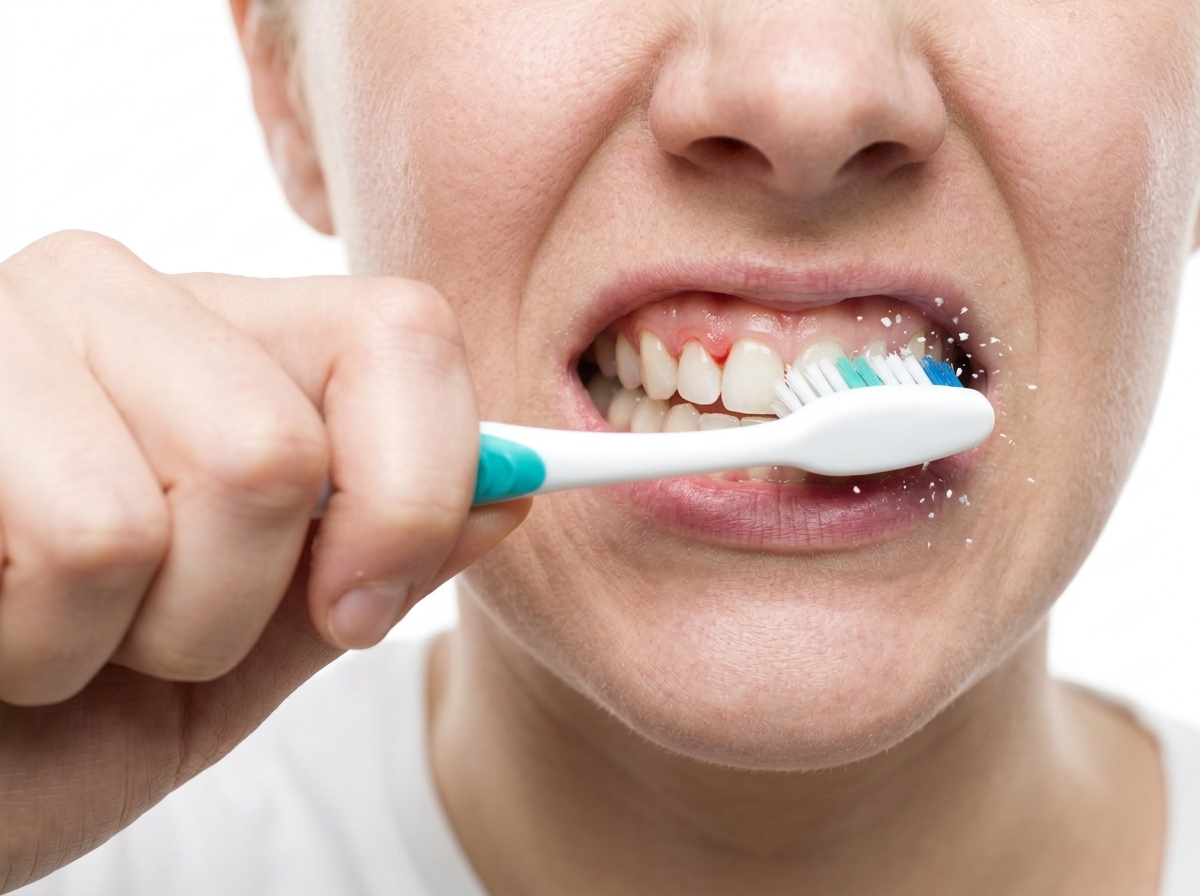
Brushing with excessive force does not clean teeth better; instead, it can wear down enamel and lead to receding gums. This exposes the sensitive roots, increasing the risk of tooth decay and sensitivity. Use a gentle touch, letting the bristles do the work rather than pressing down hard.
Not Replacing Your Toothbrush Regularly
Old, frayed toothbrushes cannot clean as effectively and may even harbor bacteria. The ADA recommends replacing your toothbrush every 3 to 4 months, or sooner if the bristles are worn. Always switch to a new toothbrush after recovering from an illness to avoid reinfection.
Improper Mouthwash Use
Mouthwash can be a useful addition to your oral care routine when used appropriately. However, using mouthwash as a substitute for brushing or flossing is a mistake. Mouthwash should complement, not replace, other oral hygiene practices. Choose an alcohol-free mouthwash if you have issues with dry mouth or sensitive gums.
Poor Timing After Meals or Acidic Beverages
Brushing your teeth immediately after eating acidic foods or beverages can damage your enamel, as the acid softens your tooth surface. Wait at least 30 minutes before brushing to give your mouth a chance to neutralize acids and re-harden enamel, protecting your teeth from unnecessary wear.
Ignoring Gums and Tongue
Good oral hygiene involves more than just your teeth. Bacteria thrive on your gums and tongue, and neglecting these areas can lead to bad breath and gum infections. Gently brush your gums and use a tongue scraper or your toothbrush to clean your tongue.
Overlooking Dental Check-ups
Regular dental visits catch small problems before they become bigger issues. Professionals can remove tartar, spot early signs of decay, and check for oral cancer. Skipping appointments allows silent issues, such as cavities or gum disease, to progress unnoticed.
Neglecting Diet and Hydration
Frequent snacking on sugary foods and beverages feeds the bacteria in the mouth that produce acids, leading to tooth decay. Limiting sugar consumption, maintaining a balanced diet, and drinking plenty of water help keep your mouth healthy. Water helps wash away food particles and supports saliva production, which naturally fights bacteria and acids.
Conclusion
Dental hygiene mistakes might seem minor, but over time, they can undermine your oral health and affect your smile. With proper techniques, regular check-ups, and attention to your overall habits, you can avoid these common pitfalls. Small changes now will protect your teeth for years to come, ensuring your smile stays bright and healthy.