
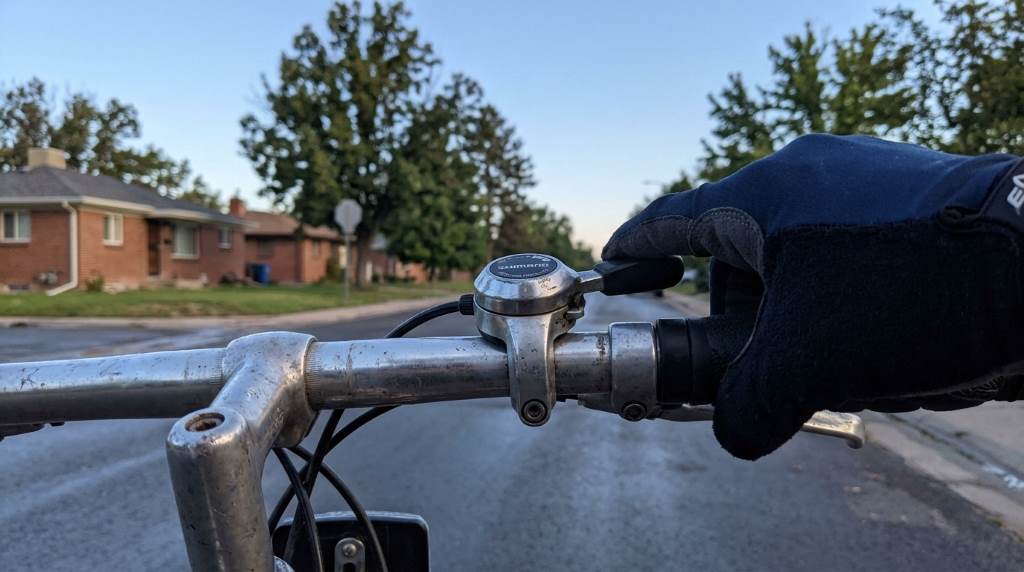
Friction shifters remain popular among riders who value simplicity, reliability, and mechanical control. According to cycling industry reports, thousands of classic bicycles still stay in regular use across North America. Many owners also enjoy vintage bicycle drivetrain tuning because proper adjustment extends component life. However, riders often notice slipping during climbs or long rides, especially when changing weather affects cable tension and drivetrain performance.
Understanding Why Friction Shifters Slip
Friction shifters rely on rider input instead of indexed clicks for every gear position. Therefore, even minor mechanical changes can reduce shifting accuracy during everyday riding.
Loose mounting bolts often create the first noticeable problem. Additionally, worn friction washers gradually lose holding strength and allow the lever to move unexpectedly. Riders can also improve overall cycling skills through a structured bike rollers workout plan while maintaining consistent drivetrain performance.
Dirty cables increase resistance throughout the shifting system. Consequently, riders compensate by applying extra force, which sometimes causes the lever to settle into an incorrect position.
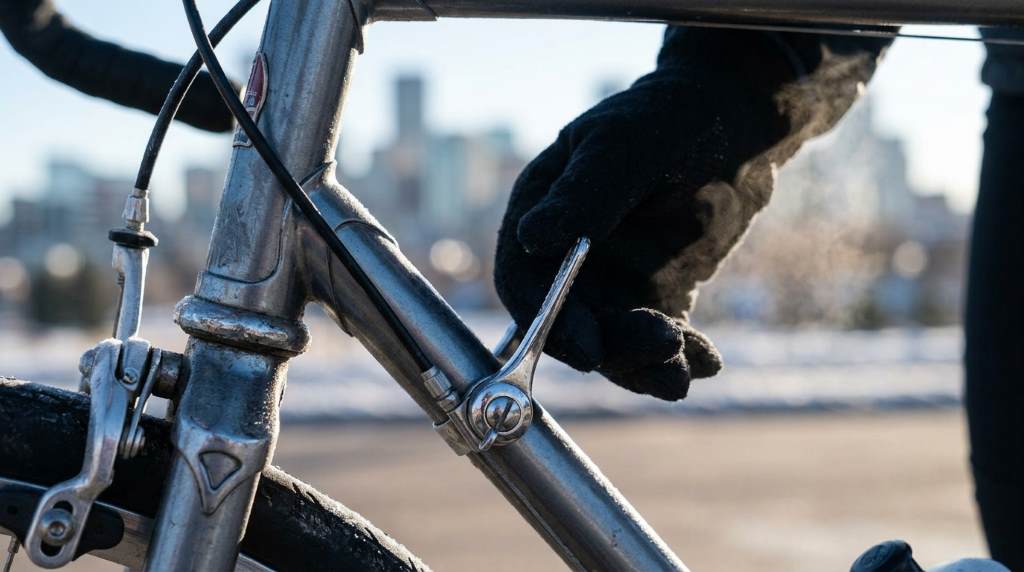
Common Mechanical Reasons Behind Slipping
Loose Friction Bolt
The center bolt controls lever resistance during every shift. If it loosens slightly, the lever gradually moves under chain tension and changes gears unexpectedly.
Worn Friction Washers
Washers create the resistance that keeps the shifter steady. Over time, these parts polish smooth surfaces and reduce the grip needed for reliable shifting.
Old Shift Cables
Cables stretch naturally after repeated use and exposure to moisture. As a result, cable tension changes enough to affect accurate gear positioning.
Housing Contamination
Dust, road grit, and dried lubricant increase friction inside cable housing. Therefore, the cable no longer responds smoothly during gear changes.
Derailleur Wear
A worn derailleur spring struggles to maintain proper chain alignment. Eventually, the drivetrain becomes harder to adjust even after cable replacement.
How Local Riding Conditions Affect Performance
Changing temperatures influence metal expansion and cable tension throughout the bicycle. Consequently, a perfectly adjusted system may require small corrections after seasonal weather changes.
Frequent elevation changes place extra load on the drivetrain during steep climbs. Likewise, riders carrying electric bicycles should understand proper transport electric bikes methods because secure transportation protects delicate shifting components.
Dry conditions also allow fine dust to enter cable housing more easily. Therefore, regular cleaning becomes an important maintenance habit for dependable shifting.
How to Diagnose a Slipping Friction Shifter
Begin by shifting through every gear while the bicycle rests securely on a repair stand. Listen carefully for delayed derailleur movement and unexpected lever motion.
Next, inspect the shifter mounting bolt for proper tightness using the correct tool. Meanwhile, riders researching modern bicycles may enjoy this beginners guide buying first electric bike before comparing drivetrain systems.
Pull each cable gently to check for smooth movement inside the housing. If resistance feels uneven, replace both the cable and housing together.
Finally, inspect the derailleur pivots for excessive movement or corrosion. Even small amounts of wear can reduce shifting precision.
Practical Ways to Stop Friction Shifters from Slipping
Most slipping problems respond well to careful maintenance instead of expensive replacement. Following a consistent inspection routine prevents larger drivetrain issues.
- Tighten the friction bolt to the recommended resistance.
- Replace worn friction washers when holding power decreases.
- Install fresh shift cables and housing every few seasons.
- Lubricate moving derailleur pivots with quality bicycle lubricant.
- Clean dirt from exposed cables after wet or dusty rides.
- Check chain wear before adjusting derailleur settings.
Maintenance Tips for Long Lasting Performance
Inspect the drivetrain after every few hundred riding miles. Regular attention helps identify small issues before they become frustrating mechanical problems.
Store bicycles indoors whenever possible to reduce moisture exposure. Furthermore, clean components immediately after riding through rain or muddy conditions.
Replace chains before excessive wear damages cassette teeth and chainrings. This simple habit also keeps shifting smoother across every gear.
Record maintenance dates inside a notebook or digital app. Consequently, replacing cables and lubricants becomes easier to schedule consistently.
Should You Replace Friction Shifters?
Many riders continue using friction shifters because they remain dependable with proper maintenance. Their simple design often survives decades of regular riding.
However, replacement becomes reasonable when critical parts become unavailable or severely damaged. Upgrading should match riding goals instead of following temporary trends.
If you enjoy classic bicycles, restoring the original drivetrain often delivers satisfying long term results. Careful adjustments usually solve slipping without replacing the entire system.
Final Thoughts
Friction shifters slip because several small mechanical problems gradually combine into noticeable shifting issues. Fortunately, careful inspection and routine maintenance solve most problems before expensive repairs become necessary.
Inspect your drivetrain regularly, replace worn components promptly, and keep cables clean for dependable performance. Consistent maintenance delivers smoother rides and extends the life of every drivetrain component.
Frequently Asked Questions
Why do friction shifters suddenly slip?
Loose bolts, worn washers, or stretched cables usually cause sudden slipping.
Can I fix slipping without replacing the shifter?
Yes, most slipping problems disappear after proper adjustment and basic maintenance.
How often should I replace shift cables?
Replace cables whenever shifting becomes rough or during routine drivetrain service.
Do friction shifters require lubrication?
Yes, light lubrication keeps moving parts operating smoothly and reduces wear.
Are friction shifters still reliable today?
Yes, they remain reliable when riders maintain cables, washers, and derailleur adjustments correctly.