
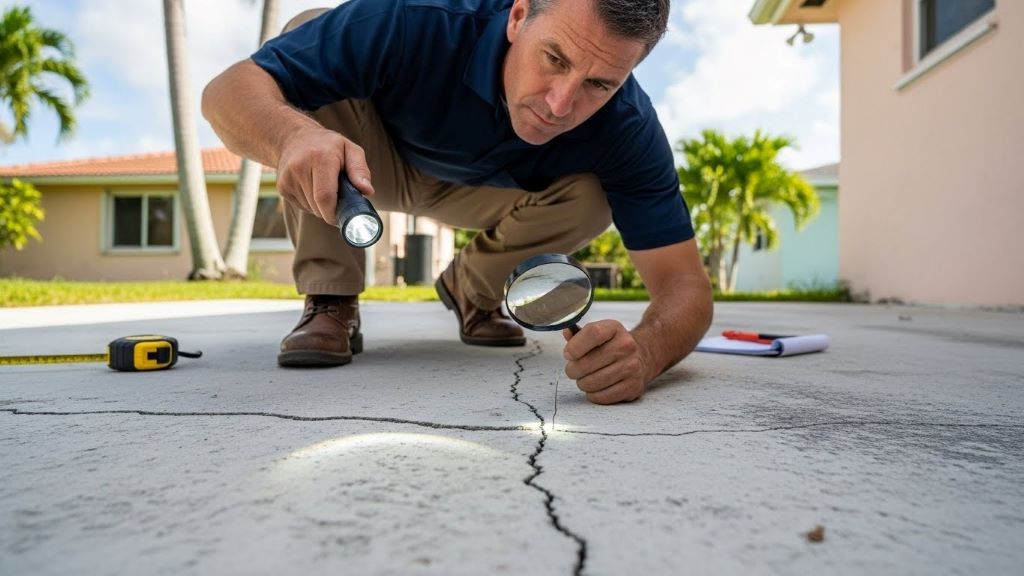
Foundation inspections are critical for homeowners and property buyers in Miami Gardens. Understanding common failure reasons can save thousands in repair costs. Therefore, many residents turn to resources like FAQ Miami for local guidance on property maintenance and building regulations.
Miami Gardens sits in an area prone to specific geological challenges. The subtropical climate brings heavy rainfall and humidity. Additionally, the region’s soil composition creates unique stress on building foundations. These factors combine to make foundation inspections essential for property safety.
Property owners working with the city of Miami gardens building department often discover issues during routine inspections. However, knowing what inspectors look for helps homeowners prepare better. This article explores the most common foundation failure reasons found during inspections.
Soil Settlement and Erosion
Soil movement ranks as the primary cause of foundation problems in Miami Gardens. The area features limestone bedrock covered by sandy soil layers. However, this combination leads to uneven settling over time.
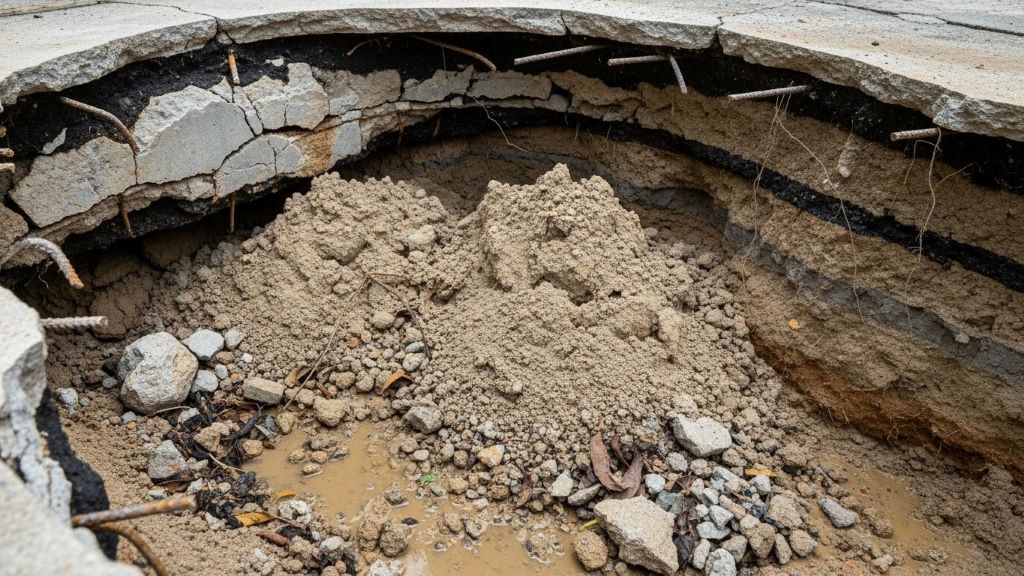
Heavy rainfall washes away soil particles beneath foundations. This process creates voids that cause concrete slabs to sink. Therefore, proper drainage systems become crucial for foundation stability.
Clay content in certain Miami Gardens neighborhoods compounds these issues. Clay soil expands when wet and contracts during dry periods. This constant movement stresses foundation structures. Consequently, cracks develop in walls and floors.
Poor Drainage Systems
Inadequate water management causes significant foundation damage. Gutters that dump water near the foundation create problems. Additionally, improper grading slopes water toward buildings instead of away.
French drains and proper landscaping help redirect moisture. However, many older homes lack these protective features. Standing water saturates soil and increases pressure on foundation walls.
The flat topography of South Florida makes drainage particularly challenging. Water has nowhere to go during heavy storms. Therefore, homeowners must actively manage water flow around their properties.
Plumbing Leaks Beneath Foundations
Hidden water leaks silently destroy foundations. Broken pipes under concrete slabs erode supporting soil. Meanwhile, homeowners remain unaware until visible damage appears.
Hot water lines pose special risks because heat accelerates deterioration. The constant moisture creates perfect conditions for soil erosion. Moreover, leaked water increases hydrostatic pressure against foundation walls.
Inspectors use specialized equipment to detect these hidden leaks. Thermal imaging cameras reveal temperature differences indicating water presence. Additionally, moisture meters measure concrete dampness levels.
Tree Root Interference
Large trees near homes create foundation hazards. Roots naturally seek moisture and nutrients. However, they can grow under foundations and lift concrete slabs.
Oak and banyan trees common in Miami Gardens have aggressive root systems. These roots can extend twice the tree’s canopy width. Therefore, planting large trees too close to structures invites future problems.
Conversely, tree removal also causes issues. When trees die or get cut down, soil previously stabilized by roots shifts. This sudden change can crack foundations as soil settles differently.
Construction Defects and Poor Materials
Original construction quality significantly impacts foundation longevity. Rushed work during building booms leads to shortcuts. Additionally, using substandard materials compromises structural integrity.
Insufficient reinforcement bars in concrete weaken foundations. Improper concrete mixing ratios reduce strength. Moreover, inadequate curing time prevents concrete from reaching full hardness.
Foundation depth matters tremendously in Miami Gardens. Shallow foundations lack proper support in loose topsoil. According to the International Association of Certified Home Inspectors, proper foundation depth should extend below the frost line and unstable soil layers.
Hydrostatic Pressure Problems
Water pressure against foundation walls causes numerous failures. High water tables in Miami Gardens create constant pressure. Therefore, waterproofing becomes essential for below-grade structures.
During rainy seasons, saturated soil pushes against foundation walls. This pressure can bow walls inward or create cracks. Additionally, water finds any weakness and seeps through.
Proper waterproofing membranes and drainage systems mitigate these risks. However, older homes often lack modern waterproofing technology. Retrofitting these protections requires significant investment but prevents costly damage.
Climate-Related Expansion and Contraction
Florida’s temperature fluctuations stress building materials. Concrete expands in heat and contracts when cooler. This constant movement creates micro-cracks that widen over time.
Hurricane season brings additional challenges. High winds create lateral forces on structures. Moreover, storm surge and flooding saturate foundations with saltwater. This accelerates concrete deterioration and steel corrosion.
The Federal Emergency Management Agency provides guidelines for foundation protection in flood-prone areas. Following these standards helps Miami Gardens properties withstand severe weather events.
Inadequate Foundation Reinforcement
Many foundation failures stem from insufficient structural support. Older building codes required less reinforcement than modern standards. Therefore, homes built decades ago often need upgrades.
Post-tension cables and steel reinforcement bars strengthen concrete slabs. However, improper installation negates their benefits. Inspectors check for proper spacing and coverage during evaluations.
Load-bearing capacity diminishes as foundations age and crack. Adding second stories or heavy additions without proper reinforcement causes failures. Thus, structural engineers must evaluate load capacity before renovations.
Signs Inspectors Look For
Foundation inspectors examine multiple indicators during evaluations. Cracks wider than one-quarter inch signal serious problems. Additionally, doors and windows that stick or won’t close properly indicate movement.
Uneven floors and gaps between walls and ceilings raise red flags. Inspectors measure floor levelness with laser equipment. Moreover, they check exterior walls for bulging or leaning.
Water stains on foundation walls indicate drainage issues. Efflorescence, white chalky deposits, shows water penetration. These visual clues help inspectors identify problem areas quickly.
Prevention and Maintenance Tips
Regular maintenance prevents many foundation problems. Homeowners should maintain consistent soil moisture around foundations. Therefore, watering during dry spells prevents soil shrinkage.
Keeping gutters clean ensures proper water drainage. Downspout extensions should carry water at least five feet from foundations. Additionally, landscaping should slope away from structures.
Annual inspections catch small problems before they become expensive repairs. Professional inspectors identify early warning signs invisible to untrained eyes. This proactive approach saves money long-term.
Conclusion
Foundation inspections in Miami Gardens reveal common failure patterns. Soil settlement, poor drainage, and plumbing leaks cause frequent problems. Additionally, tree roots, construction defects, and climate stress contribute to foundation damage.
Understanding these issues helps property owners maintain structural integrity. Working with qualified inspectors and the local building department ensures compliance with safety standards. Moreover, preventive maintenance protects investments and prevents costly emergency repairs.
Regular monitoring and prompt repairs extend foundation lifespan significantly. Therefore, Miami Gardens residents should prioritize foundation health as part of routine property maintenance.
Frequently Asked Questions
How often should I have my foundation inspected in Miami Gardens?
Homeowners should schedule foundation inspections every three to five years. However, after major storms or if you notice cracks, schedule immediate inspections. Annual checks provide peace of mind in high-risk areas.
What does a foundation inspection cost in Miami Gardens?
Foundation inspections typically cost between $300 and $600 in Miami Gardens. Costs vary based on property size and inspection complexity. However, this investment identifies problems early and prevents expensive repairs.
Can foundation cracks be repaired, or does the entire foundation need replacement?
Most foundation cracks can be repaired without full replacement. Epoxy injections seal small cracks effectively. However, severe structural damage may require underpinning or partial foundation reconstruction. A structural engineer determines the best approach.
Does homeowners insurance cover foundation repairs in Miami Gardens?
Standard homeowners insurance typically excludes foundation damage from settling or soil movement. However, coverage may apply if damage results from covered perils like hurricanes or plumbing leaks. Review your policy carefully and consider additional coverage.
How long do foundation repairs take to complete?
Minor crack repairs may take one to two days. However, major foundation stabilization projects can take several weeks. Weather conditions and repair complexity affect timelines. Contractors provide specific estimates based on damage severity.
Related Topics:
Modern Fuel Delivery: Meeting Homeowner Demand Changes