

Key Takeaways
- Innovative delivery systems and real-time monitoring enhance convenience and efficiency.
- Eco-friendly fuels like Bioheat® reduce environmental impact without equipment modifications.
- Advanced heating systems offer improved energy efficiency and cost savings.
As the expectations and lifestyles of homeowners shift, the fuel and heating oil industry is transforming its services to deliver greater value, convenience, and sustainability. Now, more than ever, consumers are looking for easy-to-use, cost-effective, and environmentally responsible options. Through innovations such as smart delivery, eco-friendly fuels, and efficient heating systems, companies are creating enhanced experiences for their customers. For example, finding the cheapest heating oil NJ is no longer just about price—it’s also about reliability, real-time service, and aligning with environmental values.
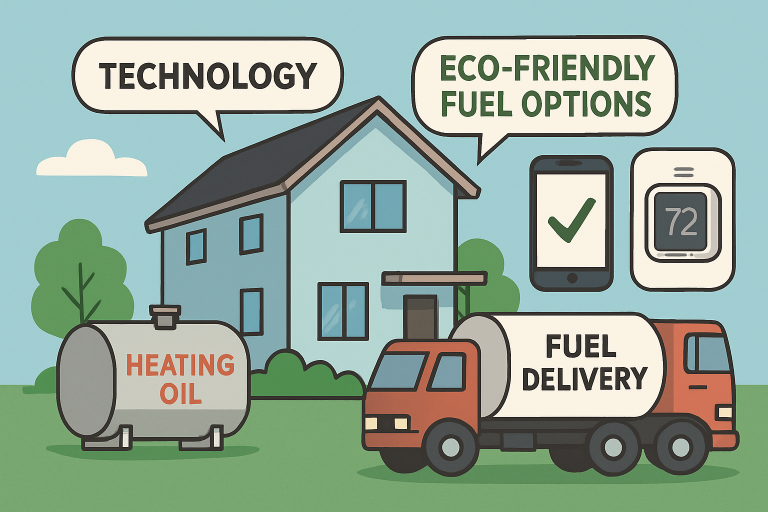
Today’s advancements mean homeowners can enjoy hassle-free heating with the confidence that they’re maximizing efficiency and minimizing their carbon footprint. Technology plays a starring role, not only in how oil is delivered and monitored but in the types of fuels available and the efficiency of the appliances that use them. The industry’s shift toward more sustainable and innovative solutions is reshaping home comfort for the long term.
Innovative Delivery Systems and Real-Time Monitoring
Traditional oil deliveries required homeowners to keep track of their fuel usage and call for refills—often during inconvenient times or, worse, after running out of oil. The new generation of fuel services is changing all that with innovative delivery systems. These platforms use predictive algorithms that analyze both past consumption and weather forecasts to schedule timely deliveries. This proactive approach ensures homeowners never run out, eliminating the old guesswork and preventing lapses in heating during the coldest months.
Additionally, real-time remote tank monitoring with advanced sensors allows both homeowners and suppliers to view fuel levels through mobile apps or web dashboards. These sensors help identify leaks, optimize delivery routes, and provide peace of mind—critical benefits, especially in unpredictable winter conditions. According to The Wall Street Journal, the adoption of smart home technology, including remote monitoring for heating oil, is on the rise as consumers seek more convenient and connected experiences at home.
Eco-Friendly Fuel Options
The growing demand for environmentally conscious choices is spurring innovation in heating oil itself. Bioheat® fuel, which blends conventional heating oil with renewable biodiesel made from plant oils or animal fats, burns cleaner and reduces greenhouse gas emissions. This advancement allows homeowners to make an immediate impact without having to invest in new infrastructure or appliances. For instance, Connecticut’s mandate to increase biodiesel content in heating oil to 10% by 2025 exemplifies a statewide commitment to cleaner fuels, a trend being mirrored in other regions as well. The adoption of these sustainable blends is crucial to achieving climate goals while ensuring homeowner comfort and system compatibility.
Advancements in Heating System Efficiency
Fuel use isn’t the only part of the equation—how that fuel gets converted into heat has seen significant efficiency gains in recent years. Modern oil furnaces and boilers now operate at efficiency ratings of up to 95%, meaning nearly every drop of fuel is converted into usable heat. Homeowners who upgrade from an older system to a high-efficiency model can see lower fuel consumption, reduced emissions, and considerable savings on their energy bills.
The integration of smart thermostats further boosts these gains. Smart thermostats enable remote temperature adjustments, learning household patterns to optimize comfort and minimize waste. By maintaining optimal temperatures and minimizing unnecessary heating, these technologies strike a balance between convenience and cost-effectiveness for modern households.
Integration of Smart Technology
Home heating systems are joining the broader movement toward “smart home” convenience. Beyond just monitoring fuel levels, today’s oil heating systems can incorporate alerts when maintenance is required or when system performance drops. Predictive maintenance, enabled by artificial intelligence and machine learning, minimizes the risk of emergency breakdowns and extends equipment lifespan, saving money and reducing stress for homeowners. Energy usage analytics, available through many modern apps, empower homeowners to better understand and manage their energy use over time.
Renewable Fuel Adoption
The shift toward renewable fuels in the heating oil industry marks a pivotal step in reconciling home comfort with environmental responsibility. Biofuels, along with emerging renewable energy sources, are quickly becoming the standard, thanks to their compatibility with existing equipment and significant reduction of carbon emissions. As detailed by the Natural Resources Defense Council (NRDC), the widespread adoption of renewable fuels for home heating is crucial for communities aiming to meet their sustainability targets while providing residents with practical and effective ways to reduce their carbon footprints.
Conclusion
The fuel and heating oil industry is undergoing significant changes, driven by advanced technology, cleaner fuels, and high-efficiency equipment. Homeowners today have more control, greater reliability, and new opportunities to support sustainability. By embracing these advancements, families not only enhance their comfort and savings but also contribute to a healthier environment. Staying informed about these cutting-edge options ensures that homeowners can make choices that match both their comfort needs and their environmental values.