
Key Takeaways
- Memory foam pillows provide superior neck and head support but are bulkier and heavier for backpacking.
- Inflatable camping pillows are ultra-light, compact, and adjustable, making them ideal for hikers and minimalists.
- Memory foam retains heat, while inflatable pillows stay cooler due to air circulation.
- Inflatable pillows are budget-friendly and easy to pack, but memory foam lasts longer with better comfort for side sleepers.
- Your choice depends on priorities: comfort and durability (memory foam) or portability and convenience (inflatable).
A good night’s sleep in the great outdoors can make or break your camping trip. Yet, as sleep gear experts at Peak Pillows frequently warn, many campers overlook one critical piece of gear: the pillow. A poor pillow leads to neck pain, tossing and turning, and waking up exhausted—hardly the refreshment you need for a day of hiking or exploring.
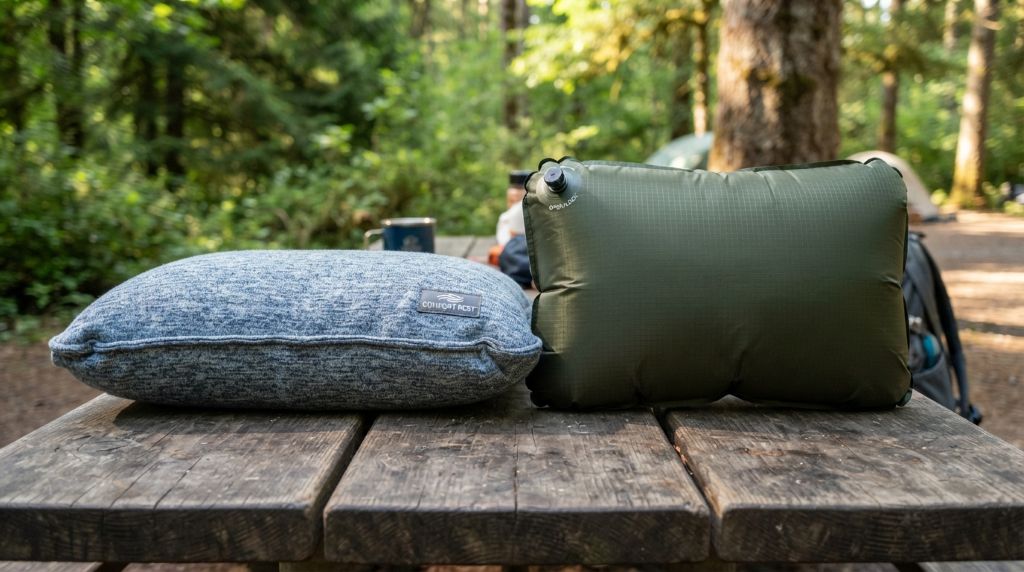
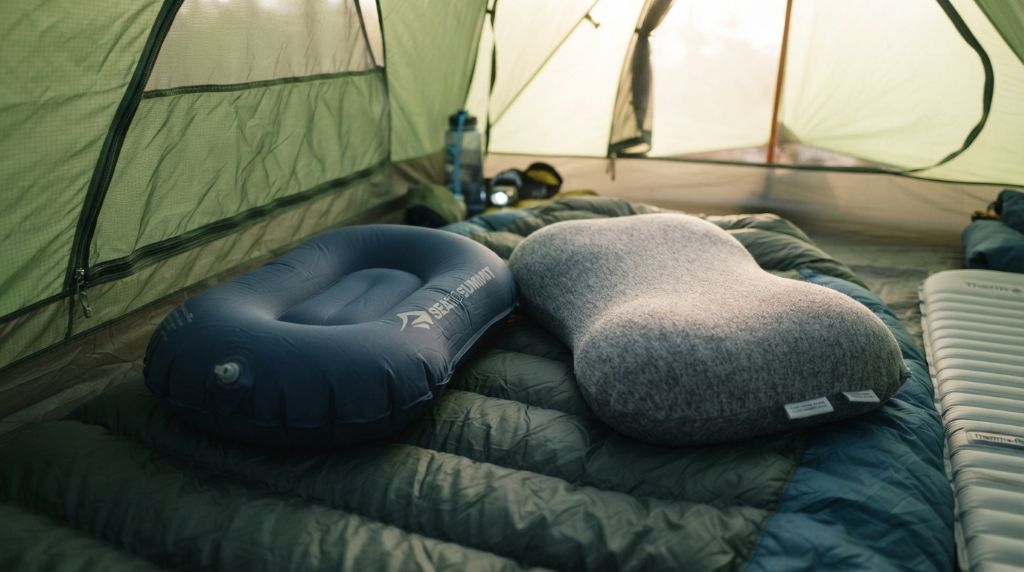
Memory foam and inflatable camping pillows are the two most popular options, each with distinct strengths. Memory foam, known for its contouring support, has been a staple in homes for decades. Inflatable pillows, on the other hand, have gained traction among backpackers for their featherlight weight and packability. But how do they truly compare when it comes to comfort, durability, and practicality in the wild?
I remember my first backpacking trip in the Appalachian Mountains. I had packed a bulky memory foam pillow, thinking it would guarantee comfort. By the second day, my shoulders ached from the extra weight, and I realized I had made a mistake. That night, I watched a fellow camper inflate a tiny pillow in seconds, sleep soundly, and pack it away the next morning like it was nothing. That moment changed how I thought about camping gear. The right pillow isn’t just about softness—it’s about balance.
This guide breaks down the key differences between memory foam and inflatable camping pillows, helping you decide which fits your needs, whether you’re a car camper, a thru-hiker, or a weekend adventurer.
Comfort and Support: Which Pillow Wins for a Good Night’s Sleep?
Comfort is the top priority for any pillow, and memory foam excels in this area. Memory foam is designed to mold to the shape of your head and neck, providing consistent support that reduces pressure points. This is especially beneficial for side sleepers, who need extra cushioning to keep their spine aligned. According to a study published in the Journal of Physical Therapy Science, memory foam pillows significantly improve neck pain and sleep quality compared to traditional pillows due to their ability to distribute weight evenly. For campers who struggle with stiffness after sleeping on the ground, memory foam can be a game-changer.
Inflatable pillows, however, offer a different kind of comfort: adjustability. Most models allow you to add or release air to achieve your preferred firmness. This flexibility is great for campers who like to fine-tune their setup. However, inflatable pillows often lack the plush, contouring feel of memory foam. They can sometimes feel too firm or, if underinflated, too flat. Additionally, they may not provide enough support for side sleepers, leading to neck strain over time.
From personal experience, I’ve found that memory foam pillows are unbeatable for long-term comfort, especially on multi-night trips. On a week-long car camping adventure in Colorado, my memory foam pillow kept me pain-free, even on uneven ground. Meanwhile, my hiking partner, who used an inflatable pillow, woke up with a stiff neck after a few nights. The trade-off? My pillow took up half his pack space. Therefore, if comfort is your priority and weight isn’t an issue, memory foam is the clear winner. However, if you’re willing to sacrifice some support for the sake of portability, an inflatable pillow can still provide a decent night’s sleep.
Portability and Weight: The Backpacker’s Dilemma
When it comes to portability, inflatable camping pillows are the undisputed champions. These pillows are designed for minimalists and backpackers who count every ounce. A typical inflatable pillow weighs between 2 to 6 ounces and can be deflated to the size of a soda can. This makes them easy to tuck into a backpack’s side pocket or even clip to the outside. For thru-hikers or those covering long distances, this compactness is a major advantage. You won’t even notice it’s there until you’re ready to set up camp.
Memory foam pillows, on the other hand, are bulkier and heavier. Even the most travel-friendly memory foam camping pillows weigh around 12 to 24 ounces and take up significant space. They are better suited for car camping, where weight and pack size are less of a concern. If you’re driving to your campsite and have room to spare, a memory foam pillow is a luxury worth bringing. But if you’re hiking 10 miles a day, the extra weight and volume can become a burden.
I learned this lesson the hard way during a summer trek in the Rockies. I had packed a memory foam pillow, thinking the comfort would outweigh the inconvenience. By the third day, my backpack felt like it was filled with bricks, and I found myself leaving the pillow behind at a campsite just to lighten my load. That’s when I switched to an inflatable pillow—and never looked back. For backpackers, the choice is clear: inflatable pillows free up space for other essentials, like extra food or a warmer sleeping bag. Additionally, their lightweight design means you can carry more without sacrificing comfort at night.
For those who can’t decide, some brands offer hybrid options: inflatable pillows with a thin layer of memory foam on top. These provide a middle ground, though they still don’t match the support of a full memory foam pillow.
Durability and Longevity: Which Pillow Lasts Longer?
Durability is another area where memory foam and inflatable pillows differ significantly. Memory foam is a dense, resilient material that can last for years with proper care. High-quality memory foam camping pillows often come with removable, washable covers, which extend their lifespan. They resist sagging and maintain their shape over time, even with regular use. In fact, many memory foam pillows used at home last 3 to 5 years, and camping-specific versions are built to withstand outdoor conditions. This makes them a sound investment for frequent campers who prioritize long-term value.
Inflatable pillows, while durable in their own right, are more susceptible to wear and tear. The biggest risk is punctures. Even a small hole from a sharp rock, stick, or even a pet’s claw can render an inflatable pillow unusable. Most come with repair kits, but patching a pillow in the field isn’t always practical. Additionally, the valves and seams can wear out over time, leading to slow air leaks. On average, a well-maintained inflatable pillow lasts about 2 to 3 years, depending on usage and storage conditions.
I’ve had both types of pillows fail on me in unexpected ways. My first memory foam camping pillow lasted four summers of weekly use before the cover finally wore out. In contrast, an inflatable pillow I used on a desert camping trip sprang a leak after just six months, likely from rubbing against the rough ground. The lesson? If you’re rough on gear or camp in abrasive environments, memory foam is the more durable choice. However, if you treat your inflatable pillow with care—storing it away from sharp objects and avoiding overinflation—it can serve you well for multiple seasons.
Therefore, for campers who want a pillow that will endure frequent trips without much fuss, memory foam is the better bet. But for occasional campers or those who don’t mind replacing gear every few years, inflatable pillows offer a cost-effective and functional alternative.
Temperature Regulation: Staying Cool or Warm?
Temperature regulation is an often-overlooked factor when choosing a camping pillow, but it can greatly impact your sleep quality. Memory foam is notorious for retaining heat. The dense material traps body heat, which can make for an uncomfortably warm sleep experience, especially in hot climates. Some memory foam pillows now incorporate cooling gels or open-cell designs to improve airflow, but they still tend to sleep warmer than inflatable options. If you’re camping in the summer or in a warm region, this can be a significant drawback.
Inflatable pillows, on the other hand, stay much cooler. Since they’re filled with air, they don’t retain heat the way memory foam does. Many inflatable pillows also have breathable fabrics, like polyester or nylon, that allow for better air circulation. This makes them ideal for warm-weather camping. However, in colder conditions, the lack of insulation can make an inflatable pillow feel chilly against your head. Some campers solve this by placing a buff or a thin layer of clothing over the pillow for added warmth.
I experienced this firsthand during a summer trip to the Mojave Desert. My memory foam pillow felt like a heating pad after just an hour of use, while my friend’s inflatable pillow stayed cool and comfortable all night. Conversely, on a fall camping trip in the Sierra Nevada, my inflatable pillow felt icy until I layered it with a fleece jacket. Therefore, your climate plays a big role in deciding which pillow to bring. For hot weather, inflatable is the way to go. For cold nights, memory foam provides a bit more insulation, though you may still need to combine it with other gear to stay warm.
Additionally, consider the material of the pillow’s cover. Memory foam pillows often come with removable, breathable covers, while inflatable pillows may have thinner, less breathable fabrics. If temperature is a major concern, look for pillows with moisture-wicking or cooling technologies.
Price and Value: What’s the Best Bang for Your Buck?
Budget is always a consideration when purchasing camping gear, and pillows are no exception. Inflatable camping pillows are generally the more affordable option. You can find a decent inflatable pillow for as little as $15 to $20, with higher-end models costing up to $40. These pillows are a great entry-level choice for occasional campers or those who want to test the waters before investing in more expensive gear. Their low cost also makes them easier to replace if they get damaged or lost.
Memory foam camping pillows, on the other hand, are a bigger investment. Prices typically range from $30 to $80, depending on the size, thickness, and quality of the foam. While this may seem steep, it’s important to consider the long-term value. A high-quality memory foam pillow can last for years, making the cost per use relatively low over time. Additionally, the superior comfort and support can enhance your overall camping experience, which may justify the higher price tag for frequent campers.
From a personal standpoint, I’ve found that investing in a good memory foam pillow pays off if you camp often. Over the course of a summer, the comfort and durability outweigh the initial cost. However, if you only camp a few times a year, an inflatable pillow offers excellent value for the price. Additionally, inflatable pillows are easier to replace or upgrade as your needs change.
It’s also worth noting that some mid-range inflatable pillows now include features like built-in pumps or extra padding, which can narrow the comfort gap with memory foam. For example, pillows with a layer of synthetic down or foam on top of the inflatable core provide a softer feel while maintaining portability. These hybrid options often fall in the $25 to $50 range, offering a compromise between comfort and cost.
Therefore, if you’re on a tight budget or new to camping, start with an inflatable pillow. If you’re a seasoned camper who values comfort and longevity, investing in a memory foam pillow is a smart choice.
Maintenance and Cleaning: Keeping Your Pillow Fresh
Keeping your camping pillow clean is essential for hygiene and longevity, but the maintenance requirements differ between memory foam and inflatable pillows. Memory foam pillows typically come with removable, machine-washable covers, making them easy to clean. The foam itself should never be submerged in water, as this can damage the material and lead to mold or mildew. Instead, spot clean the foam with a damp cloth and mild soap, and allow it to air dry completely before storing. To prevent odors, it’s a good idea to air out your memory foam pillow after each trip and store it in a dry, well-ventilated area.
Inflatable pillows are generally easier to clean because they have fewer components. Most can be wiped down with a damp cloth and mild soap, then air-dried. Since they’re made of synthetic materials like nylon or polyester, they’re less prone to absorbing odors or moisture. However, it’s important to ensure the pillow is completely dry before deflating and storing it, as trapped moisture can lead to mold or mildew inside the pillow. Additionally, always store inflatable pillows in a cool, dry place away from direct sunlight, which can degrade the material over time.
I’ve made the mistake of storing a damp inflatable pillow in my backpack after a rainy trip. A week later, I unzipped my pack to find a musty smell that took days to dissipate. Since then, I always make sure to dry my pillow thoroughly before packing it away. Similarly, I once machine-washed a memory foam pillow without removing the cover, ruining the foam’s structure. Lesson learned: always follow the manufacturer’s cleaning instructions.
Therefore, while both types of pillows require some maintenance, inflatable pillows are generally lower-maintenance. Memory foam pillows need a bit more care to keep them in top condition, but the effort is worth it for the extended lifespan.
Frequently Asked Questions
Are inflatable camping pillows comfortable for side sleepers?
Inflatable pillows can work for side sleepers if they’re thick enough and properly inflated. However, they often lack the contouring support of memory foam, which may lead to neck strain over time. Side sleepers may prefer a hybrid inflatable pillow with a foam topper for extra cushioning.
Can memory foam camping pillows be used at home?
Yes, memory foam camping pillows can double as travel or home pillows. Their compact size makes them great for guest beds, road trips, or even as an extra pillow for reading in bed. However, they’re usually thinner than standard home pillows.
How do I prevent my inflatable pillow from leaking?
To prevent leaks, avoid overinflating the pillow and keep it away from sharp objects like rocks, sticks, or campfire sparks. Store it in a protective bag when not in use, and check for punctures before each trip. Most inflatable pillows come with a repair kit for small holes.
Do memory foam pillows work well in cold weather?
Memory foam pillows retain heat, which can be an advantage in cold weather. However, the foam may feel stiffer in low temperatures, reducing its contouring ability. To stay warm, pair your memory foam pillow with a thermal sleeping pad and a warm sleeping bag.
What’s the best pillow for backpacking?
For backpacking, inflatable pillows are the best choice due to their lightweight and compact design. Look for models with a built-in pump or quick inflation valves to save time and effort at camp. Some backpackers also use a stuff sack filled with clothes as a DIY alternative.
Conclusion
Choosing between a memory foam and an inflatable camping pillow ultimately depends on your priorities and camping style. Memory foam pillows provide unmatched comfort and support, making them ideal for car campers, side sleepers, or anyone who values a restful night’s sleep above all else. If you’re also comparing different types of memory foam pillows for comfort and temperature control, this guide on memory foam vs. cooling pillows: how to choose the right one can help you understand the key differences. They’re durable, long-lasting, and perfect for those who don’t mind carrying a bit of extra weight. However, they’re bulkier and retain heat, which can be a downside in warm weather.
Inflatable pillows, on the other hand, are the go-to for backpackers and minimalists. Their lightweight, compact design makes them easy to carry, and their adjustability and cool sleep surface are major perks. While they may not offer the same level of support as memory foam, they’re a practical and budget-friendly option for most campers.
From my own experiences, I’ve learned that there’s no one-size-fits-all answer. My memory foam pillow is a staple for car camping trips, while my inflatable pillow is my trusted companion on backpacking adventures. The key is to assess your needs: How often do you camp? How far will you carry your gear? What’s your budget? Answering these questions will help you make the right choice.
Now that you’re equipped with the knowledge to decide, it’s time to upgrade your camping sleep setup. Have you tried both types of pillows? Which one worked best for you? Share your experiences or questions in the comments below—we’d love to hear from you! And if you found this guide helpful, don’t forget to share it with your fellow outdoor enthusiasts.
Happy camping, and here’s to many restful nights under the stars!