
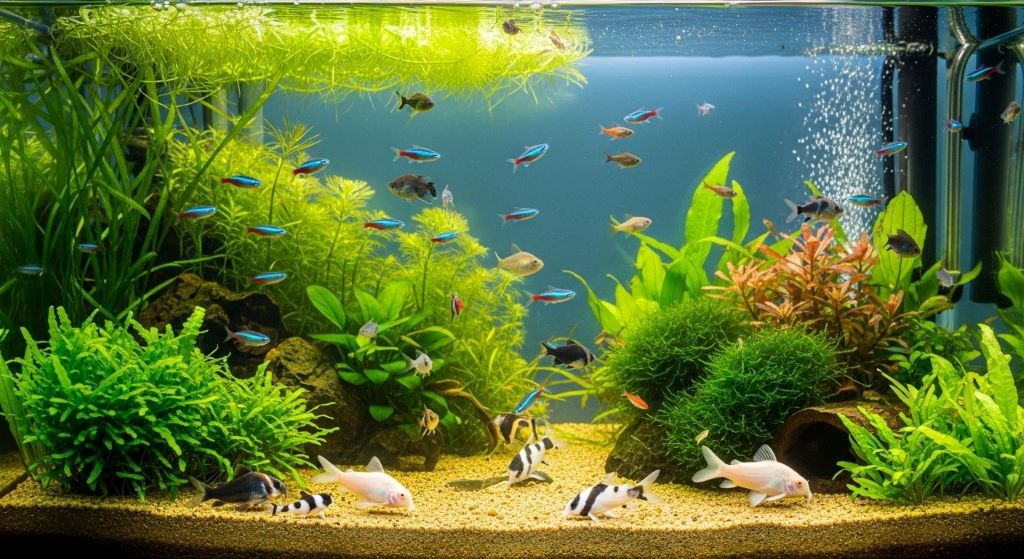
Creating a thriving freshwater aquarium brings joy and tranquility to any space. However, many beginners struggle with maintaining a healthy tank because they overlook crucial elements of proper setup and fish selection. Building a peaceful aquarium requires more than just adding water and fish to a glass container.
The secret to long-term success lies in understanding how different components work together. When you choose compatible inhabitants and create the right environment, your tank becomes a self-sustaining miniature ecosystem that requires minimal intervention. This guide will walk you through every step of creating an aquarium that not only survives but truly flourishes.
Understanding What Makes an Aquarium Ecosystem Balanced
A balanced aquarium ecosystem functions like a tiny slice of nature in your home. Every element plays a specific role in maintaining stability. Fish produce waste, bacteria break down that waste, plants absorb nutrients, and the cycle continues naturally.
The nitrogen cycle forms the foundation of this system. Fish waste and uneaten food release ammonia into the water. Beneficial bacteria convert this toxic ammonia into nitrite, then other bacteria transform nitrite into less harmful nitrate. Plants consume nitrate as fertilizer, completing the cycle. Without this biological process, toxic substances accumulate quickly and harm your fish.
Water parameters must remain stable for this ecosystem to function properly. Temperature, pH levels, hardness, and dissolved oxygen all affect your fish’s health and your bacteria’s efficiency. Sudden changes stress fish and disrupt beneficial bacteria colonies. Therefore, consistency matters more than achieving perfect numbers.
Overcrowding disrupts this delicate balance faster than any other mistake. Too many fish produce more waste than your bacteria can process. The result is poor water quality, stressed fish, and potential disease outbreaks. Starting with fewer fish and adding gradually gives your system time to adjust.
Choosing the Right Tank Size for Success
Tank size directly impacts how stable your ecosystem remains. Larger volumes of water resist temperature fluctuations and dilute waste products more effectively than smaller tanks. Beginners often assume smaller tanks are easier, but the opposite is true.
A 20-gallon tank represents the minimum size for creating a stable environment. This volume provides enough space for a small community while offering some margin for error. Larger tanks of 40 gallons or more are even more forgiving and allow for more diverse fish communities.
Consider the adult size of fish when planning your tank. That tiny fish at the store might grow to six inches within a year. Research each species carefully before purchasing to avoid overcrowding as your fish mature.
Tank shape affects both aesthetics and function. Longer tanks provide more swimming space and surface area for gas exchange than tall tanks of the same volume. Most fish appreciate horizontal swimming room more than vertical space.
Selecting Calm Fish Species for Your Community
Choosing peaceful inhabitants is essential for creating a harmonious tank. Calm fish species coexist without aggression, making maintenance easier and creating a more enjoyable viewing experience.
Tetras make excellent community fish for peaceful tanks. Neon tetras, cardinal tetras, and ember tetras all display beautiful colors while maintaining gentle temperaments. These small schooling fish look stunning in groups of six or more and rarely bother other species.
Corydoras catfish serve as peaceful bottom dwellers that help keep your substrate clean. These charming fish live in groups and spend their days sifting through gravel for leftover food. Their playful personalities and constant activity add interest to the lower levels of your tank.
Guppies and platies bring color and movement to the middle and upper water levels. These livebearers are hardy, adaptable, and get along well with most peaceful species. However, they breed readily, so keep this in mind when stocking your tank.
Rasboras offer another excellent option for peaceful community tanks. Harlequin rasboras and chili rasboras both feature striking patterns and calm dispositions. Like tetras, they prefer living in schools and create beautiful displays when swimming together.
Snails and shrimp add diversity without increasing your bioload significantly. Nerite snails control algae without reproducing in freshwater, while cherry shrimp add pops of color and help clean up debris. These invertebrates rarely conflict with fish and contribute to a balanced aquarium ecosystem.
Setting Up Your Filtration System
Proper filtration removes waste particles, provides homes for beneficial bacteria, and creates water movement. Without adequate filtration, toxic compounds accumulate and your ecosystem collapses.
Choose a filter rated for at least your tank size, preferably larger. Manufacturers typically overestimate capacity, so selecting a filter rated for a tank 1.5 times your actual size ensures adequate filtration. This approach provides extra capacity as your fish grow and your bioload increases.
Three types of filtration work together in a healthy tank. Mechanical filtration removes solid particles through sponges or filter floss. Biological filtration houses beneficial bacteria on porous media like ceramic rings or bio-balls. Chemical filtration uses activated carbon or similar materials to remove dissolved compounds.
Hang-on-back filters work well for beginners and provide easy maintenance access. Canister filters offer more media capacity and create less surface disturbance. Sponge filters are gentler and ideal for tanks with small fish or fry.
Position your filter outlet to create gentle water movement without creating strong currents. Most peaceful fish prefer calm water and struggle in high-flow environments. Additionally, surface agitation from your filter promotes gas exchange, which keeps oxygen levels healthy.
Creating the Perfect Substrate Foundation
Your substrate choice affects both aesthetics and functionality. The bottom layer of your tank provides anchoring points for plants, homes for beneficial bacteria, and influences your water chemistry.
Gravel remains the most popular substrate choice for freshwater tanks. It comes in various colors and sizes, doesn’t cloud water easily, and allows good water flow to prevent anaerobic pockets. Choose smooth, rounded gravel to protect bottom-dwelling fish from injury.
Sand creates a natural appearance and works well with fish that like to sift through substrate. Corydoras and loaches particularly appreciate sand. However, sand can compact and requires occasional stirring to prevent dead zones where beneficial bacteria cannot thrive.
Plant-specific substrates provide nutrients for rooted plants while supporting bacterial colonies. These specialized products cost more but make plant growth easier for beginners. You can cap nutrient-rich substrates with gravel or sand for aesthetic appeal.
Rinse any substrate thoroughly before adding it to your tank. Even pre-washed products contain dust that clouds water. Continue rinsing until the water runs clear to save yourself cleanup headaches later.
Establishing Live Plants for Natural Balance
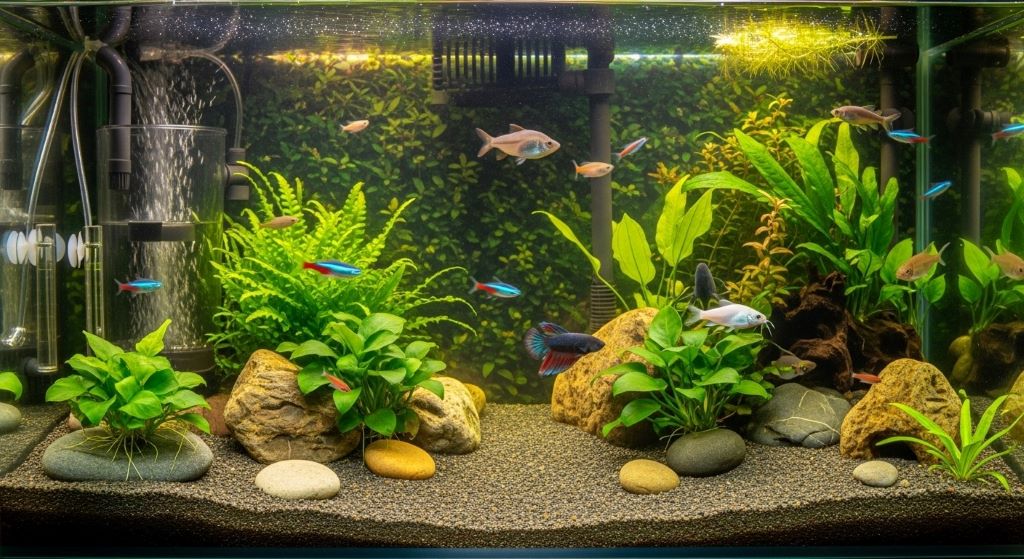
Live plants transform your aquarium from a fish container into a thriving ecosystem. They absorb nitrates, produce oxygen, provide hiding spots, and create a more natural environment for your fish.
Easy beginner plants require minimal care and tolerate a range of conditions. Java fern, anubias, and java moss grow slowly but survive in low light without added fertilizers. These hardy plants attach to driftwood or rocks rather than requiring substrate planting.
Stem plants like hornwort and water sprite grow quickly and absorb nutrients efficiently. Fast growth means more nitrate removal, which helps maintain water quality. These plants can float or be planted in substrate depending on your preference.
Carpet plants create lush foregrounds that showcase your fish. Dwarf hairgrass and monte carlo spread across the substrate when given moderate light and occasional fertilization. These plants take longer to establish but create stunning effects worth the wait.
Place taller plants in the background and shorter plants in front. This arrangement creates depth and ensures all plants receive adequate light. Leave open swimming areas in the center for your fish to explore.
Cycling Your Tank Before Adding Fish
Patience during the cycling process prevents countless problems later. This crucial step establishes beneficial bacteria colonies that keep your fish healthy. Rushing this process is the most common mistake new aquarium owners make.
The fishless cycling method is safest and most reliable. Add an ammonia source to your empty tank, either pure ammonia or fish food. Beneficial bacteria gradually colonize your filter media and consume the ammonia. Test your water regularly to track progress.
Cycling typically takes four to six weeks. Ammonia levels will rise, then fall as bacteria populations grow. Nitrite levels then spike before declining as a second type of bacteria establishes. Finally, nitrate appears, indicating your cycle is complete.
Live plants and established filter media from another healthy tank can accelerate this process. However, never rush cycling by adding fish too early. Exposing fish to ammonia or nitrite causes severe stress and often proves fatal.
Test your water parameters regularly during cycling. When ammonia and nitrite both read zero and nitrate is present, your tank is ready for fish. Perform a water change before adding inhabitants to reduce nitrate levels.
Introducing Fish Gradually and Safely
Even with a cycled tank, adding too many fish at once overwhelms your bacterial colonies. Gradual stocking allows your ecosystem to adjust while minimizing stress on new inhabitants.
Start with the hardiest species on your wish list. These pioneering fish establish themselves while your system continues maturing. Wait two weeks between additions to monitor how your tank handles the increased bioload.
Acclimate new fish slowly to prevent shock from parameter changes. Float sealed bags in your tank for 15 minutes to equalize temperature. Then gradually add small amounts of tank water to the bag over 30 minutes before releasing fish.
Quarantine new fish separately when possible. A small quarantine tank allows you to observe newcomers for disease without risking your established community. This precaution becomes increasingly valuable as your collection grows.
Monitor fish behavior closely after each addition. Healthy fish explore their environment, eat readily, and interact normally with tankmates. Hiding, gasping at the surface, or aggressive behavior indicates problems requiring attention.
Maintaining Stable Water Parameters
Consistency in water parameters keeps fish healthy and your ecosystem balanced. Regular testing and maintenance prevent problems before they become serious.
Test ammonia, nitrite, nitrate, pH, and temperature weekly during the first few months. Once your tank stabilizes, biweekly testing usually suffices. Keep records to identify trends before they cause problems.
Perform partial water changes weekly or biweekly. Removing 20 to 30 percent of water and replacing it with dechlorinated water of similar temperature dilutes nitrates and replenishes minerals. This routine maintenance is the cornerstone of long-term success.
Use a gravel vacuum during water changes to remove debris from substrate. This process eliminates waste before it breaks down and maintains beneficial bacteria populations without disturbing them excessively.
Dechlorinate all tap water before adding it to your tank. Chlorine and chloramines in municipal water kill beneficial bacteria and harm fish. Quality water conditioners neutralize these chemicals instantly.
Creating Proper Lighting for Plants and Fish
Lighting affects plant growth, fish behavior, and algae development. Finding the right balance creates a healthy environment without encouraging nuisance growth.
Most community tanks thrive with 8 to 10 hours of light daily. Consistent timing helps fish establish natural rhythms. Using a timer ensures reliability and prevents you from forgetting to turn lights on or off.
LED lights offer energy efficiency and customizable spectrums. Many models allow you to adjust intensity and color temperature to suit your plants and preferences. Start with lower intensity and increase gradually if plants show signs of inadequate light.
Excessive lighting promotes algae growth without benefiting fish or plants beyond their needs. If algae becomes problematic, reduce lighting duration before trying other solutions. Similarly, ensure your tank doesn’t receive direct sunlight, which is difficult to control and encourages algae blooms.
Provide periods of darkness for fish to rest. Constant lighting stresses fish and disrupts their natural behaviors. Some species become more active during dawn and dusk, so observing your tank at different times reveals interesting behaviors.
Feeding Your Community Appropriately
Proper feeding maintains fish health without degrading water quality. Overfeeding is one of the most common mistakes and quickly destabilizes your ecosystem.
Feed only what your fish consume within two to three minutes. Uneaten food decomposes and creates ammonia, stressing your biological filtration. It’s always better to underfeed slightly than to overfeed.
Offer a varied diet to ensure complete nutrition. High-quality flakes or pellets form a good base, supplemented with frozen or live foods occasionally. Different species have different dietary requirements, so research each fish’s needs.
Feed once or twice daily at consistent times. Fish quickly learn feeding schedules and become active when they expect food. This routine also helps you notice when fish aren’t eating, which often indicates health problems.
Fast your fish one day per week. This practice mirrors natural feeding patterns and allows fish to digest food completely. Additionally, it gives your filtration system a break from processing waste.
Monitoring and Preventing Common Problems
Vigilant observation catches problems early when they’re easiest to fix. Developing daily observation habits helps you maintain a healthy, peaceful tank.
Watch for changes in fish behavior, appearance, or eating habits. These early warning signs often precede visible disease symptoms. Addressing stress factors quickly prevents minor issues from becoming major crises.
Cloudy water usually indicates bacterial blooms or excess waste. Reduce feeding, increase water changes, and check your filter function. Green water suggests too much light or excess nutrients feeding algae.
Fish gasping at the surface need more oxygen. Increase surface agitation, reduce temperature slightly, or add an air stone. This behavior requires immediate attention, especially in warm weather.
White spots, frayed fins, or unusual growths signal potential disease. Research symptoms promptly and consider quarantine to prevent spread. Many common ailments respond well to treatment when caught early.
Building Long-Term Success Habits
Consistency and patience create thriving aquariums. Developing good habits from the start makes maintenance easier and more enjoyable over time.
Keep a maintenance log tracking water changes, parameter readings, and observations. This record helps you identify patterns and catch problems early. Digital apps make logging convenient and provide reminders for routine tasks.
Avoid the temptation to constantly tinker with your setup. Once your tank stabilizes, resist changing too many things at once. Make adjustments gradually and monitor results before making additional changes.
Join aquarium communities online or locally. Experienced hobbyists offer valuable advice and support when problems arise. Sharing your experiences helps others while deepening your own understanding.
Continue learning about aquarium keeping. New techniques and products emerge regularly, and understanding fish biology helps you make better decisions. However, don’t change working systems based on trends without careful consideration.
Conclusion
Building a peaceful freshwater tank that thrives requires planning, patience, and consistent care. By selecting calm fish species and creating a balanced aquarium ecosystem, you establish a miniature world that largely maintains itself.
Remember that success comes from understanding how all elements work together. Proper filtration, adequate cycling, appropriate stocking, and regular maintenance create stability. Live plants enhance both aesthetics and water quality while providing natural enrichment for your fish.
Start slowly, test regularly, and make gradual changes. Your reward is a beautiful, thriving aquarium that brings years of enjoyment. The time invested in proper setup pays dividends through reduced problems and healthier, more active fish.
Most importantly, enjoy the process. Watching your ecosystem develop and mature is as rewarding as the final result. With patience and attention to these fundamentals, you’ll create a peaceful aquatic haven that flourishes for years to come.
Frequently Asked Questions
How long should I wait before adding fish to a new tank?
You should wait until your tank completes the nitrogen cycle, which typically takes four to six weeks. Test your water regularly during this period. When ammonia and nitrite both read zero while nitrate is present, your tank is ready for fish. Never add fish before cycling completes, as ammonia and nitrite are toxic.
What are the best fish for absolute beginners?
Platies, guppies, and zebra danios are excellent beginner fish due to their hardiness and peaceful nature. Corydoras catfish and cherry barbs also tolerate beginner mistakes well. Start with these species to build confidence before attempting more sensitive fish. Always research specific care requirements before purchasing any fish.
How many fish can I keep in my aquarium?
A common guideline is one inch of adult fish per gallon of water, but this oversimplifies stocking. Consider each species’ behavior, bioload, and space requirements. Research adult sizes carefully and stock conservatively. It’s better to understock initially and add fish gradually as you gain experience and confidence.
Do I really need live plants in my aquarium?
While not absolutely necessary, live plants significantly improve water quality and fish health. They absorb nitrates, produce oxygen, and provide natural hiding spots. Artificial plants offer aesthetic benefits without the same water quality advantages. However, many easy plants require minimal care and greatly enhance your ecosystem’s stability.
How often should I clean my aquarium filter?
Clean filter media when water flow decreases noticeably, typically every four to six weeks. Always rinse filter media in old tank water during water changes, never tap water. Chlorine in tap water kills beneficial bacteria living in your filter. Replace mechanical filtration media as needed but preserve biological media to maintain bacterial colonies.
Related Topics:
The Role of Snails in Aquarium Cleaning and Maintenance
Advanced Aquarium Monitoring Techniques