
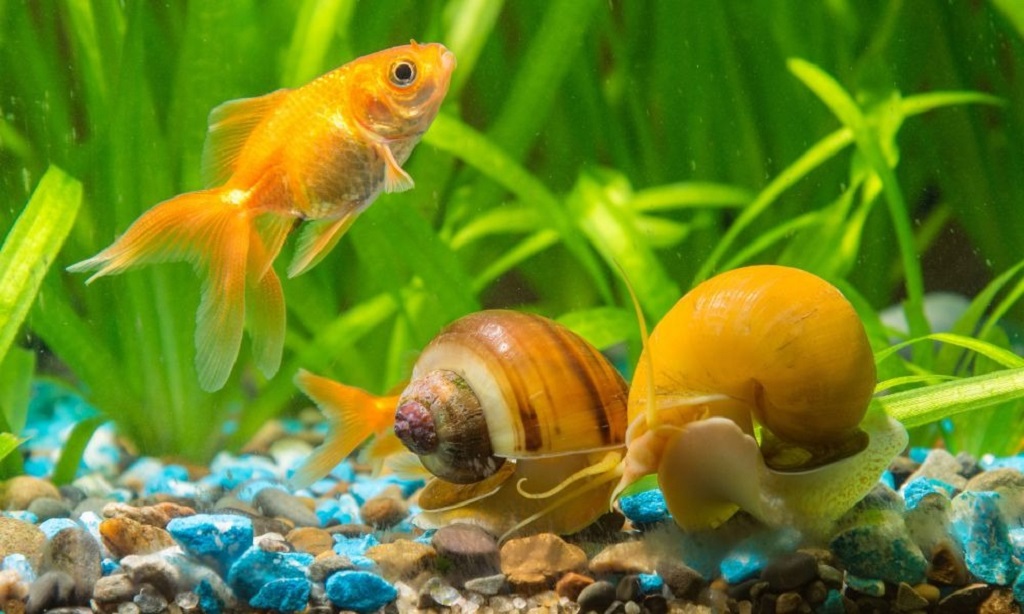
Aquarium enthusiasts often focus on fish, plants, and filters, but snails play an equally crucial role in maintaining a healthy aquatic environment. These small creatures contribute far beyond their size, acting as natural cleaners and ecosystem stabilizers. Understanding the role of snails in aquarium cleaning and maintenance can transform how you care for your tank and improve the overall health of your aquatic community.
Natural Algae Control Agents
One of the primary benefits of snails in aquariums is their ability to control algae growth. Algae can quickly take over tanks, clouding water and suffocating plants. Certain snail species, such as Nerite snails, are voracious algae eaters, munching on green film and stubborn algae patches without harming live plants.
Studies indicate that in tanks where algae can grow unchecked, snails reduce algae coverage by up to 70%. This natural method avoids the need for harmful chemicals, making snails an eco-friendly alternative to algae control. However, it’s essential to maintain a balanced snail population, as overcrowding may lead to overconsumption or waste buildup.
Efficient Detritus and Waste Consumers
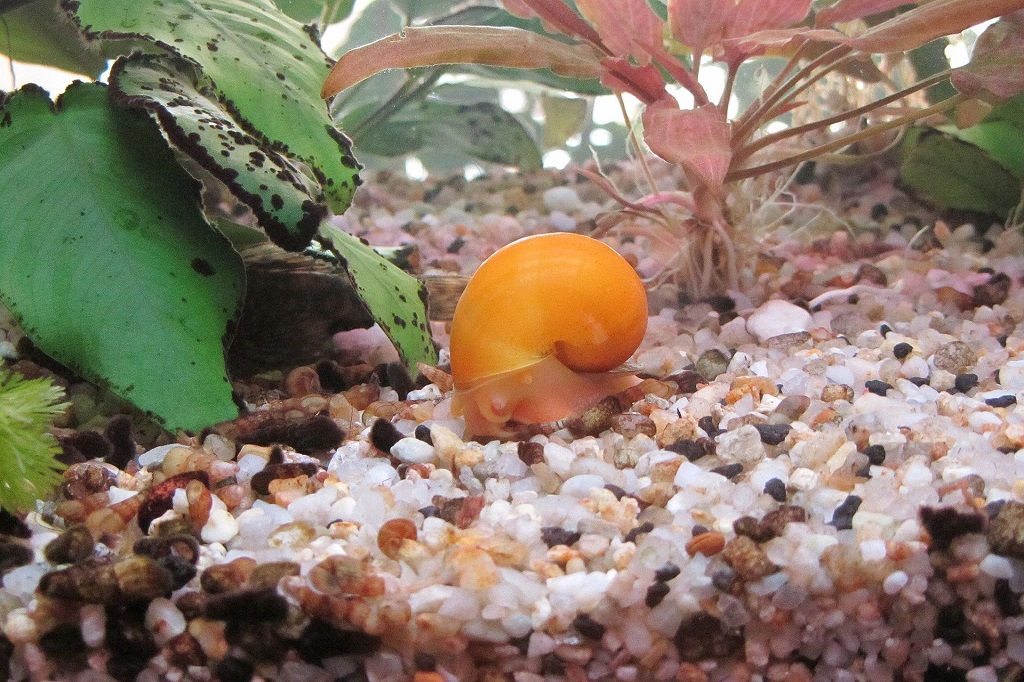
Snails thrive on leftover food, decaying plant matter, and detritus—dead organic material—which often accumulates at the tank’s bottom. These substances degrade water quality by increasing ammonia and nitrate levels, toxic to fish and other aquatic life.
By consuming this waste, snails help reduce harmful compounds, maintaining water clarity and chemistry. According to aquarists, tanks with snails often experience a 30% decrease in ammonia spikes compared to snail-free setups. Moreover, their scavenging habits minimize the frequency of manual tank cleaning.
Complementing Mechanical and Biological Filtration
While filters are the backbone of aquarium maintenance, snails offer complementary benefits. Mechanical filters trap debris, but some particles inevitably settle out of reach. Snails patrol these areas, cleaning nooks and crannies that filters cannot access.
Biological filtration relies on beneficial bacteria to break down waste. Snails contribute indirectly by reducing excess waste, lowering the bacterial load necessary for breakdown processes. This symbiotic relationship stabilizes the aquarium environment, enhancing overall system efficiency.
Species Selection Matters
Not all snails suit every aquarium type or cleaning need. For instance, Mystery snails are popular due to their size and vibrant colors but consume less algae than Nerite snails. Conversely, Malaysian Trumpet snails burrow into substrate, preventing harmful gas pockets and oxygenating the tank floor.
Choosing the right snail species depends on tank size, fish species compatibility, and specific cleaning needs. Overpopulation can cause problems, such as excess waste from snails themselves or damage to delicate plants. Therefore, regular monitoring and moderation are key.
Opinions and Expert Perspectives
Aquarium experts emphasize snails’ value but caution against overreliance. Aquarist Jane Doe notes, “Snails are fantastic helpers, but they aren’t a replacement for good filtration and regular maintenance.” Similarly, marine biologist Dr. Mark Reynolds highlights, “Snails create a natural balance, but their waste contributes to nutrient loads if populations aren’t controlled.”
Contrasting views exist, with some hobbyists viewing snails as pests due to rapid reproduction. However, this problem often arises from overfeeding or insufficient tank care rather than the snails themselves. Managing feeding and snail numbers can prevent infestations and maintain a healthy environment.
Professional Tips for Aquarium Snail Care
- Feed Wisely: Avoid overfeeding fish to prevent excess food that promotes snail overpopulation.
- Maintain Population: Remove excess snails manually or introduce snail predators like certain fish species if numbers surge.
- Choose Compatible Species: Research snail behavior and fish compatibility to avoid conflicts or plant damage.
- Regular Inspection: Check for dead snails to prevent water quality deterioration.
- Provide Calcium: Snails need calcium for healthy shells; supplement with crushed coral or calcium-rich food.
Featured Snippet: What Role Do Snails Play in Aquarium Cleaning and Maintenance?
Snails act as natural cleaners in aquariums by controlling algae growth, consuming detritus, and breaking down organic waste. Their scavenging helps maintain water clarity and reduces harmful toxins. However, balancing their population is essential, as too many snails can create excess waste. Choosing species like Nerite or Malaysian Trumpet snails enhances tank health by targeting specific maintenance tasks. For best results, snails should complement, not replace, traditional filtration and regular tank upkeep.
Read More Also: How to Protect Your Corals and Fish From Day One
Frequently Asked Questions (FAQs)
Can snails clean all types of algae in my aquarium?
Snails primarily consume soft algae like green film and diatoms. Harder algae, such as hair algae, may require additional maintenance methods.
Will snails harm my fish or plants?
Most snail species are harmless to fish and plants, but some may nibble on delicate plants if food is scarce. Selecting compatible snails prevents issues.
How do I prevent snail overpopulation?
Control feeding, manually remove excess snails, or introduce natural predators. Avoid leaving fish food uneaten to discourage rapid snail reproduction.
Are snails effective in saltwater aquariums?
Certain species like Nerite snails can thrive in saltwater and help with algae control, but freshwater and saltwater snails have different care requirements.
How often should I clean my aquarium if I have snails?
Snails reduce cleaning frequency but don’t eliminate it. Regular partial water changes and substrate vacuuming remain necessary for optimal tank health.
What do snails eat besides algae?
Snails consume leftover fish food, decaying plant matter, and biofilm, helping break down organic debris in the tank.
Do snails need special care?
They require calcium for shell health, stable water parameters, and compatible tank mates. Monitor their population and remove dead snails promptly.
Read More Also: What PSI Should You Use for a Nail Gun? Full Guide
Final Thought
Snails play an indispensable role in aquarium cleaning and maintenance, offering a natural and cost-effective way to improve tank health. They serve as algae controllers, waste recyclers, and substrate aerators, complementing filtration systems and reducing manual labor. However, their benefits depend on proper species selection and population management. By integrating snails thoughtfully, aquarium owners can create a balanced, thriving aquatic ecosystem that requires less stress and more enjoyment.