
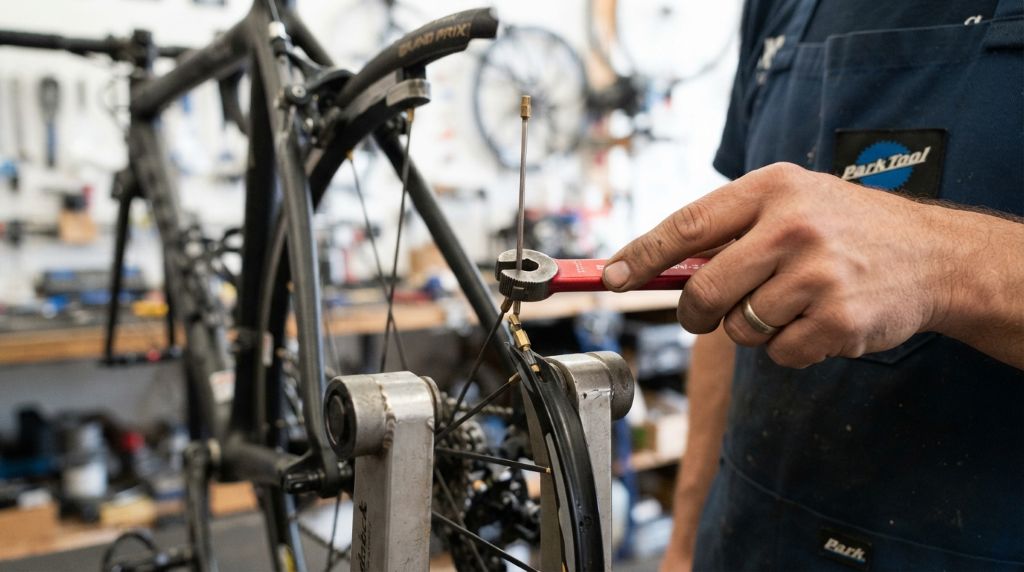
I was halfway through my morning ride when I noticed the wobble. My bike wheel had hit a deep pothole the day before, and now it shook with every turn. I was miles from home with no tools, but I knew I had to fix it. With a little patience and some basic knowledge, I managed to straighten the wheel enough to ride safely back. That experience taught me that you do not always need a spoke wrench or a truing stand to fix a bent wheel.
A wobbly wheel is not just annoying; it can also damage your bike over time. According to a study by the League of American Bicyclists, misaligned wheels account for nearly 15% of preventable bike accidents. Learning to straighten your wheel without tools can save you from a long walk home. The good news is that most minor bends can be fixed with just your hands and some careful adjustments.
Understanding Why Bike Wheels Go Out of Alignment
Bike wheels bend for several common reasons. The most frequent cause is impact damage from hitting potholes, curbs, or rocks. Even a small bump can knock your wheel out of true if the force is strong enough. This often happens during off-road riding or in urban areas with poor road conditions. Additionally, uneven weight distribution, such as carrying heavy loads on one side, can gradually pull the wheel out of shape.
Another culprit is improper handling. Dropping your bike or leaning it against rough surfaces can also cause misalignment. Even simple mistakes, like overtightening the axle nuts, can warp the wheel over time. Furthermore, extreme temperature changes can affect the metal, although this is less common. In most cases, the issue stems from physical stress rather than manufacturing defects.
Lastly, wear and tear play a role. Over time, the spokes can loosen or break, which affects the wheel’s structure. Regular riding on rough terrain speeds up this process. If you notice your wheel wobbling more often, it might be a sign that your spokes need attention. Understanding these causes helps you prevent future problems and address current ones more effectively.
Step-by-Step Guide to Straightening a Bike Wheel by Hand
First, flip your bike upside down so the wheel can spin freely. Rest the seat and handlebars on the ground to keep the bike stable. Spin the wheel and watch closely to see where it wobbles. Mark the spot with a piece of tape or a marker. This helps you focus on the exact area that needs adjustment. If the wobble is severe, you may need to repeat this process a few times to pinpoint the problem.
Next, locate the spokes near the bent area. If the wheel wobbles to the left, the spokes on the right side are likely too loose. If it wobbles to the right, the spokes on the left side need tightening. Gently squeeze pairs of spokes together on the side opposite the wobble. Use your fingers to apply even pressure, pushing the rim back toward the center. Do this gradually to avoid overcorrecting.
After each adjustment, spin the wheel again to check your progress. Small changes can make a big difference, so be patient. If the wobble moves to another spot, repeat the process for that area. Keep working until the wheel spins as straight as possible. Remember, this method works best for minor bends. For major damage, professional help is often the safest choice.
Alternative Methods for Straightening Without Tools
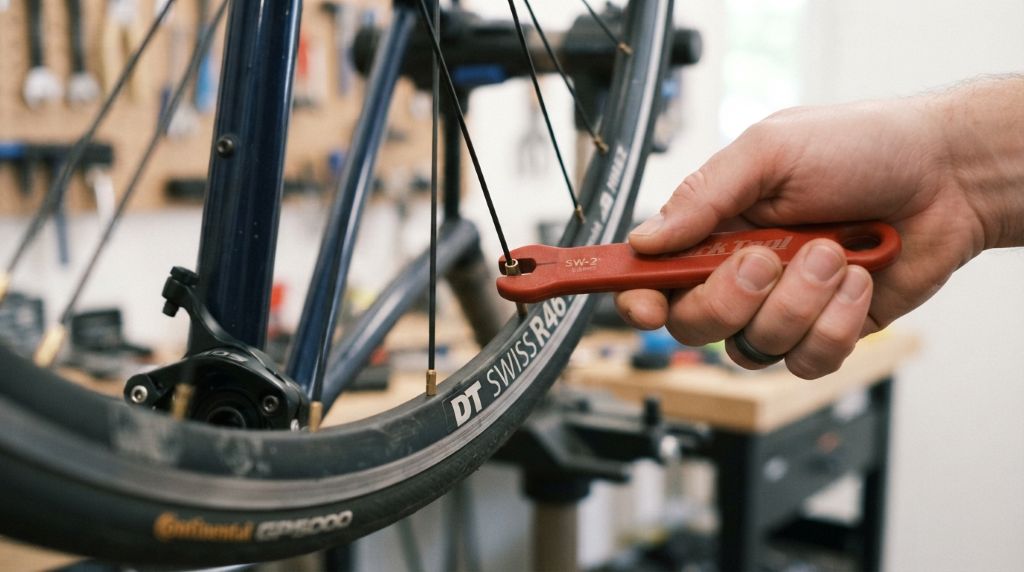
If the wheel is only slightly bent, you can use your body weight to help straighten it. Lay the bike on its side with the bent wheel facing up. Place your foot on the tire near the wobble and press down firmly while pulling the rim outward with your hands. Apply steady pressure for about 10 to 15 seconds. This can sometimes pop the wheel back into place, especially if the bend is fresh.
Another approach involves using a sturdy, flat surface. Rest the bent section of the wheel against a concrete step or a metal rail. Push the rim against the surface while pulling the tire away from it. The pressure can help realign the wheel. Be careful not to use too much force, as this could cause further damage. This method works best for small, localized bends.
You can also try flexing the wheel by hand. Grab the tire at the point of the wobble and gently bend it back and forth several times. The repeated motion can sometimes coax the metal back into shape. This technique is less precise but can be effective for minor adjustments. Always check your progress by spinning the wheel after each attempt.
How to Test if Your Bike Wheel is Straight
Start by spinning the wheel while the bike is upside down. Watch the gap between the rim and the brake pads or frame. If the gap remains consistent, your wheel is likely straight. If the rim moves closer to or farther from the brake pads at any point, it is still bent. This test works best if your bike has rim brakes, but you can also use a fixed reference point, like a piece of cardboard taped to the frame.
Another method is the sight test. Stand behind the bike and look through the wheel as it spins. A straight wheel will appear as a perfect circle. Any wobble or distortion indicates a bend. This test is simple but requires good lighting and a steady hand. If you are unsure, ask a friend to spin the wheel while you observe from a fixed position.
For a more precise check, use a string or a zip tie. Attach it to the frame so it runs parallel to the rim, leaving a small gap. Spin the wheel and watch for any changes in the gap. If the rim touches the string at any point, that section needs adjustment. This method is especially useful for identifying subtle bends that are hard to see with the naked eye.
Tips to Prevent Future Wheel Misalignment
Regular maintenance is the best way to keep your wheels in good shape. Check your spokes for tension and tightness every few months. Loose spokes are a common cause of wheel wobbles. If you notice any spokes that feel slack, tighten them evenly to maintain balance. Additionally, inspect your wheels for damage after any hard impact, such as hitting a curb or a pothole.
Finally, store your bike correctly. Hanging it by the wheel or resting it on a rough surface can cause gradual bending. Instead, use a bike stand or lean it against a smooth, flat wall. If you transport your bike frequently, invest in a quality rack that supports the frame rather than the wheels. These small habits can extend the life of your wheels and keep them riding smoothly.
FAQs
Can I straighten a severely bent bike wheel without tools?
For severe bends, hand adjustments may not be enough. If the wheel is badly damaged, it is safer to take it to a professional bike shop for repair or replacement.
How long does it take to straighten a bike wheel by hand?
Minor bends can often be fixed in 10 to 20 minutes. More significant wobbles may require several attempts and a bit more time and patience.
Will straightening a wheel by hand make it weaker?
If done carefully, hand straightening should not weaken the wheel. However, excessive force or repeated bending can cause damage, so always use gentle pressure.
How often should I check my bike wheel for alignment?
Inspect your wheels every few months or after any hard impact. Regular checks help catch small issues before they become big problems.
Is it safe to ride a bike with a slightly wobbly wheel?
A minor wobble is usually safe for short rides, but it can worsen over time. Fix it as soon as possible to avoid further damage or accidents.
Conclusion
Straightening a bike wheel without tools is a useful skill for any cyclist. It can get you out of a tough spot and save you time and money. With a little practice, you can fix minor bends and keep your rides smooth and safe. The key is patience and attention to detail. Small adjustments can make a big difference in how your bike performs.
Do not let a wobbly wheel keep you off the road. Next time you notice a bend, try these methods and see how well they work for you. If you have your own tips or stories about fixing bike wheels, share them in the comments below. Your experience could help another rider in need. Safe cycling!