
Key Takeaways
- The right meal should suit the occasion, hunger level, budget, and dining group.
- Reviewing a menu before arriving can make ordering faster and easier.
- Sides, sauces, beverages, and desserts can affect both the meal and the final bill.
- Clear communication is especially important for food allergies and dietary restrictions.
- Portion size matters because a meal should leave the diner satisfied without creating unnecessary waste.
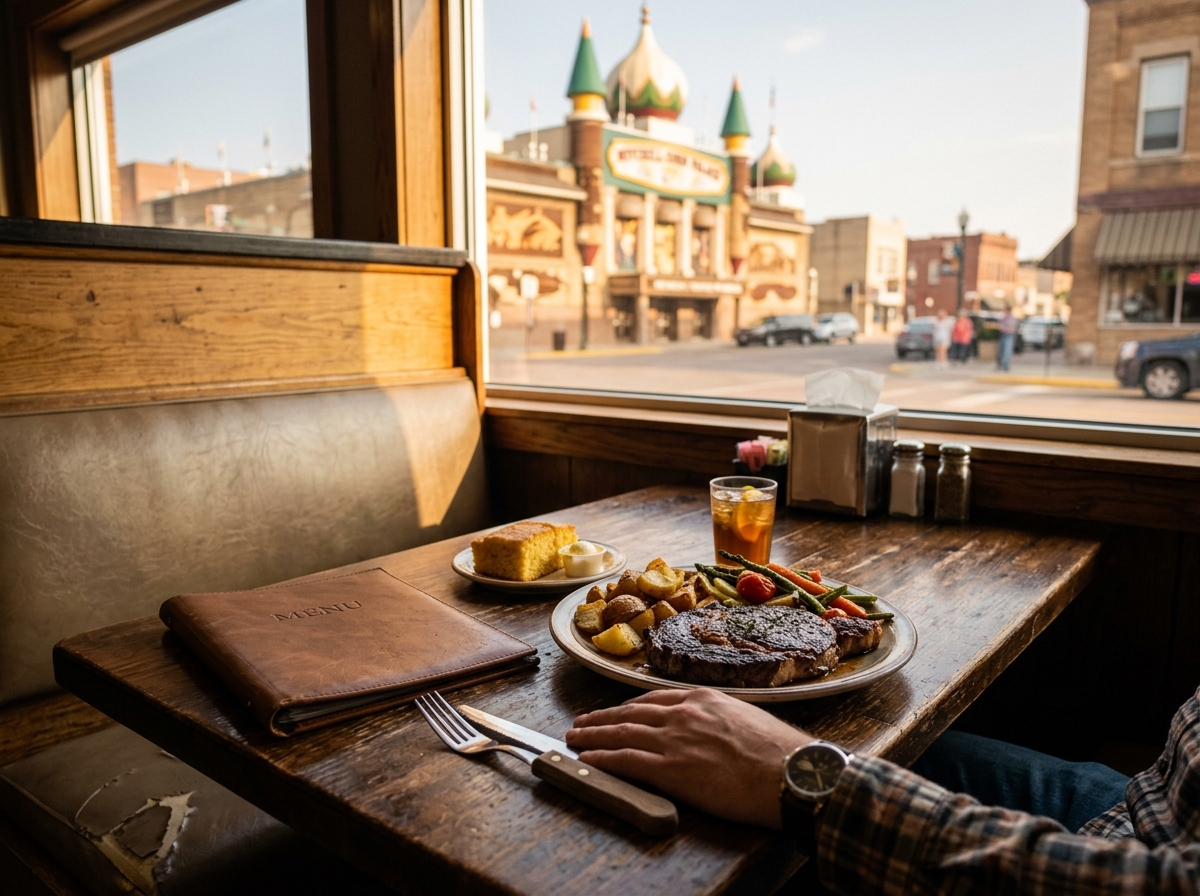
Choosing a restaurant meal in Mitchell, South Dakota, can be simple when the order fits the moment. A quick lunch between errands, a family dinner after a busy day, or a relaxed meal before heading home may each call for a different approach. Diners looking at specialty salads Mitchell SD, can start by considering their appetite, time, budget, and the people joining them.
There is no single best order for every person or occasion. The most satisfying choice may be a lighter plate on a warm day, a hearty entrée after work, or a shared meal when friends want to try several items. A little planning helps make dining out feel more enjoyable and more worthwhile.
Start With the Occasion
The reason for dining out should shape the order. A short lunch may call for something easy to eat and quick to serve, while a birthday dinner may leave room for appetizers, dessert, and a longer visit. In Mitchell, where plans can include work, school activities, local events, or a drive across town, timing can matter just as much as flavor.
A highly rated restaurant is not automatically the right choice for every outing. A couple celebrating may prefer a slower meal, while a family with young children may need familiar choices, flexible sides, and a setting where everyone can settle in comfortably.
When plans are still changing, it is fine to keep the decision in process until the group agrees on timing, price range, and the kind of meal everyone wants.
Check the Menu Before Arriving
A quick menu review can prevent surprises at the table. Look at current prices, entrée descriptions, side options, serving sizes, and whether dressings or sauces are included. Online menus are useful for planning, but daily specials, substitutions, and ingredient availability can change.
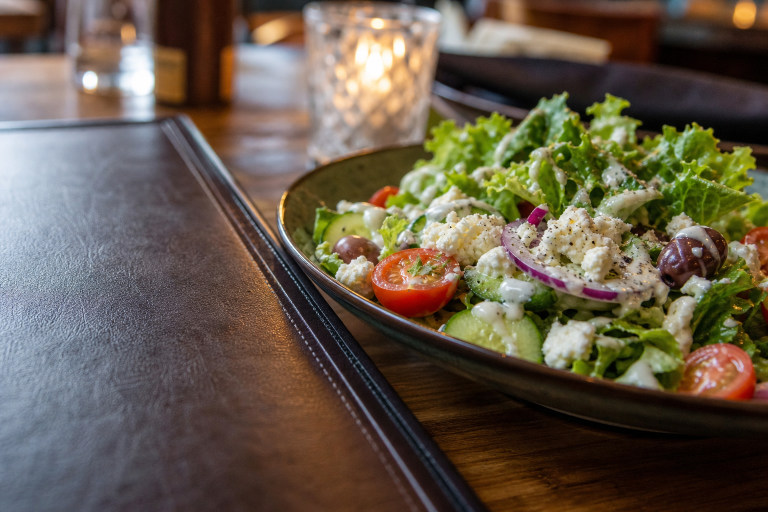
If a dietary need is serious, call ahead or ask staff directly rather than relying only on an online label. This is particularly important for allergens, gluten concerns, or ingredient restrictions that depend on kitchen preparation.
Match the Meal to Your Appetite
Before ordering, consider how hungry you are now and what the rest of the day looks like. Someone who had a late snack may be happy with soup, a salad, or a smaller entrée. Someone facing a long afternoon or evening may want a meal with a filling protein, a side, and a drink.
- Think about whether dessert is part of the plan.
- Consider whether leftovers would be useful later.
- Choose enough food to avoid an extra purchase shortly after the meal.
- Avoid ordering more than you genuinely expect to enjoy or save.
Set a Realistic Dining Budget
Do not judge the cost of a meal by the entrée alone. Add likely drinks, premium sides, appetizers, dessert, tax, and tip before deciding whether an order fits the budget. A lower-priced item is not always the better value if it leaves someone hungry enough to order more food later.
For a group meal, it helps to decide what matters most. One person may prefer an appetizer, another may want dessert, and someone else may be happiest with a larger main dish and water. Setting expectations early avoids awkward surprises when the check arrives.
Build a Balanced Restaurant Plate
A balanced order does not have to be strict or boring. A simple approach is to include a filling protein, such as produce when available, an energy source such as potatoes, bread, rice, or pasta, and flavors that make the meal enjoyable. A burger with a side salad, grilled fish with potatoes, or a sandwich with vegetables can all work.
Posted nutrition information can be one planning tool, not a rulebook. The FDA explains that calorie information on menus can help diners compare options, while individual calorie needs vary by person.
Manage Portions Without Losing Enjoyment
Restaurant servings can be generous, so choose the portion that fits your needs. Consider a smaller plate, an appetizer as a meal, a shared entrée, or a take-home container for food you would rather enjoy later. Skipping an extra side can also make sense when the entrée already includes plenty of food.
The goal is not to follow a rigid rule. One diner may feel satisfied with a smaller serving, while another may need a fuller meal. Stop when comfortably full, and save the rest when practical.
Consider Everyone at the Table
Group dining works best when every person has a reasonable path to a meal they can enjoy. Look for familiar options for children, meatless choices, milder dishes for guests who avoid spice, and substitutions when available. A broad menu can be especially helpful for families, coworkers, and mixed-age groups.
Ask Clear Questions About Allergies
For a food allergy or serious restriction, tell the server before ordering. Ask about marinades, sauces, breading, dressings, shared fryers, and cooking surfaces. If staff cannot provide a clear answer about ingredients or cross-contact, choosing another item or another restaurant may be the safer choice.
Choose Drinks and Extras With Care
Drinks, sauces, desserts, and premium sides can make a meal feel special, but they also change the total cost. Choose the extras you will enjoy most instead of adding items automatically. If alcohol is part of the meal, include it in the budget and arrange safe transportation.
Use a Simple Ordering Checklist
- Does this meal fit the occasion and available time?
- Will the portion match my appetite?
- Does the estimated total fit my budget?
- Are ingredients and dietary needs clear?
- Have I considered sides, sauces, drinks, and dessert?
- Would sharing or saving part of the meal make sense?
The CDC recommends checking a restaurant menu before going and notes that sharing an entrée or saving part of a large meal can be useful options when planning healthier meals and snacks.
Common Questions About Restaurant Orders
What is the best way to choose a restaurant meal?
Start with the occasion, appetite, budget, and dietary needs. Then compare portions, sides, drinks, and the likely total cost.
Should diners always order the healthiest item?
No. A satisfying meal that fits personal preferences and goals is often a better choice than an order that feels overly restrictive or leaves the diner unsatisfied.
How can diners spend less at a restaurant?
Review prices in advance, limit unplanned extras, share large dishes when appropriate, and decide whether an appetizer, dessert, or premium drink is truly the priority.
Conclusion
The best restaurant meal in Mitchell is not always the biggest, cheapest, or most popular item on the menu. It is the one that fits the moment, the budget, and the people at the table. By reviewing the menu, considering portion sizes, asking clear questions, and choosing extras intentionally, diners can enjoy a meal that feels satisfying from the first bite to the final bill.