
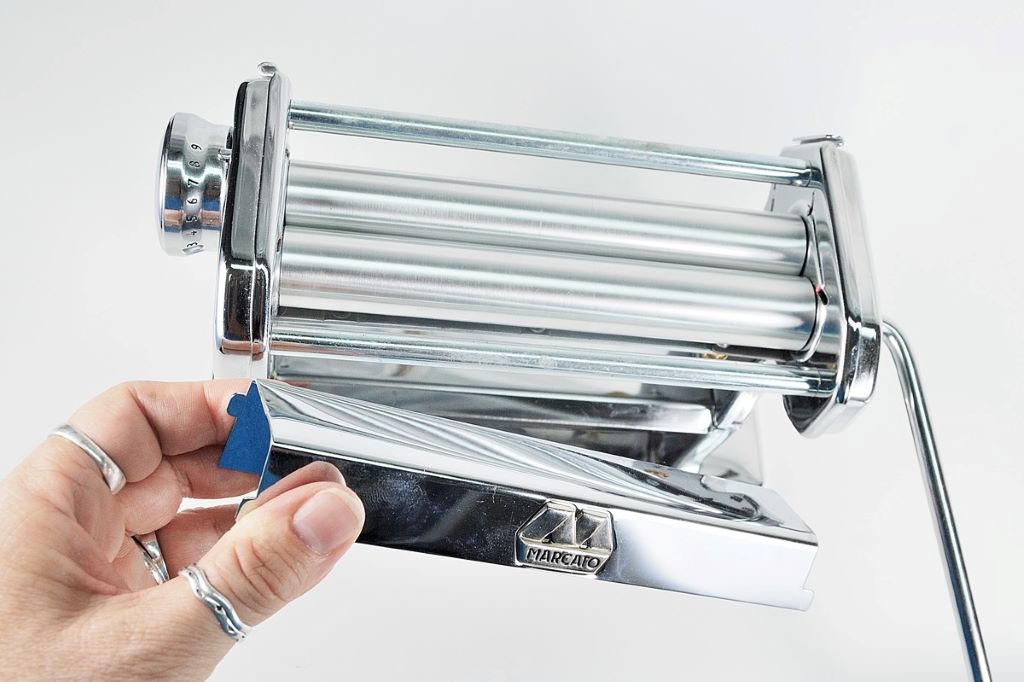
Is your pasta machine suddenly creating strange, unwelcome noises while you’re crafting that perfect bowl of fresh pasta? Why your pasta machine is making noise could be due to several factors that disrupt its smooth operation. A noisy pasta maker can turn an enjoyable cooking experience into a frustrating ordeal. However, with the right knowledge, you can troubleshoot and resolve these issues effectively. In this guide, we’ll uncover why your pasta machine might be making noise, explore practical solutions, and share tips to prevent future problems.
If you’re wondering, is pasta hard to make? The answer largely depends on your equipment. A well-maintained machine should make the process enjoyable and seamless. To get started, explore Smartpastamaker for detailed tips and guides on pasta-making equipment.
Understanding Why Pasta Machines Make Noise
At its core, a pasta machine is a straightforward device designed to roll and cut pasta dough. The noise it generates can signal mechanical issues, maintenance needs, or even operator errors. Identifying the source of the noise is crucial to solving the problem efficiently.
Common Causes of Noise in Pasta Machines
Improper Dough Consistency
Pasta machines are engineered to handle firm, pliable dough. If the dough is too dry or sticky, the rollers may struggle, creating grinding or squeaking sounds. Sticky dough clogs the rollers, while dry dough can cause additional friction.
Lack of Proper Lubrication
Mechanical parts require lubrication to function smoothly. Over time, components like rollers, gears, and cutters can dry out, leading to squeaks or grinding noises.
Loose or Worn-Out Parts
Frequent use can cause screws, bolts, or gears to loosen or wear out. Loose components often vibrate during operation, producing rattling sounds.
Overloading the Machine
Overstuffing the pasta machine with too much dough can strain the motor or rollers, leading to groaning or grinding noises.
Dust or Debris Accumulation
Old dough remnants, dust, or debris trapped in the machine can interfere with its moving parts. This obstruction can result in unusual clicking or rattling sounds.
Real-Life Examples of Pasta Machine Noise
One customer reported that her hand-crank pasta machine made a loud rattling noise. Upon inspection, she found a loose screw inside the roller housing. Tightening the screw resolved the issue instantly. Another user of an electric model experienced grinding noises due to improper cleaning, which allowed dough residue to harden and clog the cutters.
How to Troubleshoot a Noisy Pasta Machine
Inspect and Tighten Loose Parts
Regularly check screws, bolts, and fasteners for looseness. Tighten them using appropriate tools, but be careful not to overtighten as it could strip the threads.
Clean Thoroughly After Every Use
Disassemble your pasta machine as much as the manufacturer allows. Remove dough residue, flour, and debris from the rollers, cutters, and other parts using a soft brush or a dry cloth. For electric machines, ensure the motor housing remains dry during cleaning.
Lubricate Moving Parts
Use food-grade mineral oil to lubricate the rollers and gears. Apply a small amount and wipe away any excess to prevent dough contamination.
Avoid Overloading the Machine
Feed smaller portions of dough into the machine. If you notice resistance, stop immediately and assess whether the dough is too thick or sticky.
Use the Correct Dough Consistency
Aim for dough with a smooth texture, slightly firmer than bread dough. A good test is pressing the dough; it should leave a slight indentation without sticking to your fingers.
Preventative Maintenance Tips
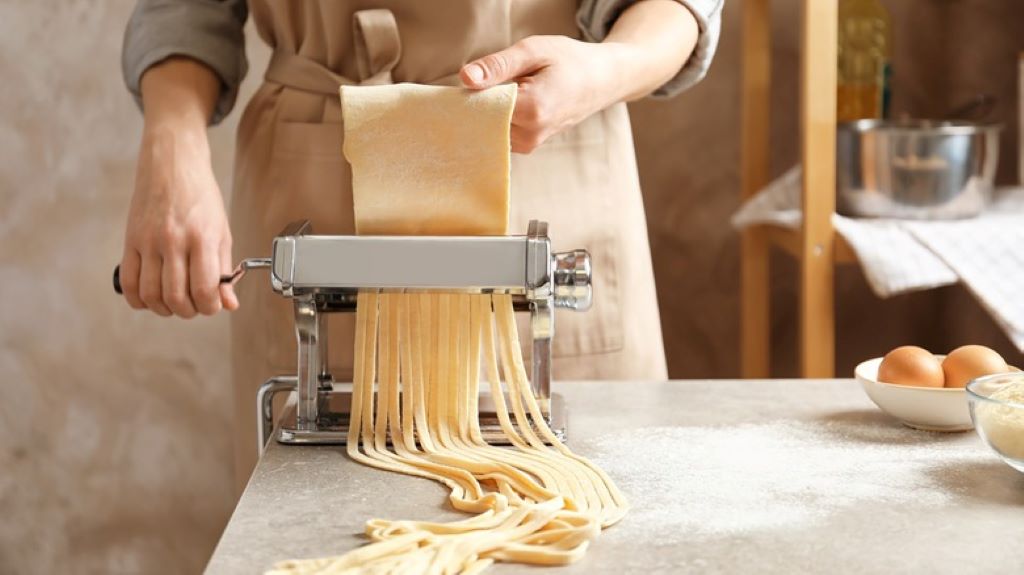
Store Your Machine Properly
Avoid storing your pasta machine in a humid or dusty environment. Use a protective cover to prevent dirt accumulation.
Check the Manufacturer’s Manual
Refer to the manual for specific maintenance guidelines. Following the manufacturer’s advice is key to extending the life of your machine.
Replace Worn-Out Components
Over time, certain parts like cutters, rollers, or even the motor in electric machines may wear out. Replace these parts promptly to keep your machine running smoothly.
When to Seek Professional Repair
Sometimes, despite your best efforts, the noise persists. At this point, it might be time to consult a professional. Manufacturers or authorized repair centers can diagnose and fix complex issues.
The Role of Dough in Machine Noise
One of the most overlooked factors is the role of dough in pasta machine noise. Many beginners ask, is pasta hard to make? The answer lies in understanding how the dough interacts with your machine. Properly kneaded dough ensures smooth operation and reduces unnecessary strain on the rollers. For detailed troubleshooting tips, click on https://smartpastamaker.com/homemade-pasta-troubleshooting/.
Electric vs. Manual Machines: Noise Differences
Electric pasta machines tend to generate more noise due to their motors, but they are generally consistent unless overloaded or poorly maintained. Manual machines are quieter, but they can still produce sounds from friction or loose parts.
Eco-Friendly Cleaning Methods for Pasta Machines
Avoid using harsh chemicals when cleaning your pasta machine. A mixture of white vinegar and water works well for dissolving hardened dough residue. Use a soft-bristled brush to scrub hard-to-reach areas.
How Often Should You Maintain Your Pasta Machine?
For regular home use, aim to clean and inspect your pasta machine after every session. For heavy use, perform a more thorough cleaning and lubrication every month.
Popular Brands and Their Common Noise Issues
Marcato Atlas
Users report occasional squeaking due to insufficient lubrication. Regular oiling and cleaning prevent this problem.
KitchenAid Pasta Attachments
These attachments can produce a grinding noise when overloaded or improperly assembled. Always follow the manual’s guidelines.
Imperia Pasta Machines
The Imperia models often experience rattling due to loose screws. Tightening the screws resolves this easily.
FAQs
Why does my pasta machine make grinding noises?
Grinding noises often result from improper cleaning, dried-out lubricant, or misaligned parts. Clean and inspect your machine thoroughly to resolve the issue.
Can I use vegetable oil to lubricate my pasta machine?
No, vegetable oil can gum up over time. Always use food-grade mineral oil for lubrication.
What is the best way to clean dried dough from rollers?
Use a soft-bristled brush to scrub away dried dough. Avoid using water directly on the machine as it can cause rust.
Why is my electric pasta machine louder than usual?
Excess noise in an electric pasta machine may indicate motor strain. Check for overloading or debris in the moving parts.
How do I know if my pasta machine needs lubrication?
Squeaking or stiff rollers are common signs that your machine needs lubrication.
Can noise damage my pasta machine?
Prolonged noise can signal underlying issues that, if left unaddressed, may cause permanent damage to your machine.
You Might Enjoy: Suitable Sony a7iii Lens for better clarity
Conclusion
A pasta machine making noise doesn’t have to derail your culinary adventures. By understanding the root causes and implementing simple fixes, you can restore your machine’s smooth operation and extend its lifespan. Regular maintenance, proper dough preparation, and careful usage are key.