

Minimalism in fashion has revolutionized how we perceive style, sustainability, and individuality. At its core lies deconstruction fashion, a trend that embraces imperfection reconstructs classics, and champions sustainability. This article explores how deconstruction fashion is redefining minimalist wardrobes and why it’s a game-changer for the modern style enthusiast.
When exploring options for minimalist wardrobes, explore Katespadestar for unique inspirations that merge contemporary aesthetics with classic deconstructed designs.
What Is Deconstruction Fashion?
Deconstruction fashion isn’t just a style; it’s an ideology. Rooted in the postmodern movement, it challenges traditional norms of clothing construction by emphasizing unfinished edges, exposed seams, asymmetry, and raw textures. Emerging in the 1980s with designers like Rei Kawakubo and Martin Margiela, this concept broke away from the cookie-cutter approach, transforming simplicity into art.
Minimalists are particularly drawn to this approach because of its innate focus on versatility and originality. Every piece tells a story, blending function with innovation.
Why Minimalists Love Deconstruction Fashion
Minimalist wardrobes thrive on versatility and functionality, and deconstruction fashion aligns perfectly with these values.
Here’s why:
- Unique Aesthetic: Every piece is inherently one-of-a-kind. No two garments look exactly the same, making each addition to your wardrobe feel personal.
- Sustainability: Often crafted from repurposed materials, it complements the minimalist ethos of mindful consumption.
- Layering Possibilities: Deconstructed pieces allow for endless layering combinations, adding depth without increasing bulk.
- Durability with Style: Raw finishes and reinforced stitching focus on both durability and aesthetic charm.
The Rise of Deconstruction Fashion in Minimalist Circles
A survey conducted by Fashion United found that 63% of minimalist fashion enthusiasts are incorporating deconstructed elements into their wardrobes, citing authenticity and sustainability as key reasons. Influencers on platforms like Instagram and Pinterest have popularized this movement, showcasing capsule wardrobes that combine deconstructed jackets, asymmetric skirts, and patchwork tops.
How to Incorporate Deconstruction Fashion into Your Minimalist Wardrobe
Transitioning into deconstruction fashion doesn’t mean overhauling your entire wardrobe. Follow these tips to make it seamless:
- Start with Basics: Opt for deconstructed T-shirts or shirts featuring uneven hems or open seams.
- Mix and Match: Pair deconstructed pieces with classic staples for a balanced look.
- Focus on Neutrals: Choose neutral hues to maintain a cohesive minimalist palette.
- Invest in Statement Pieces: A patchwork jacket or distressed blazer can serve as the focal point of your outfit.
Where to Find Deconstruction Fashion Pieces
For those eager to embrace this style, there’s no shortage of brands and platforms offering deconstructed designs. Explore popular platforms for curated collections that blend innovation and minimalism.
Additionally, DIY projects are gaining traction. Platforms like Pinterest and YouTube offer tutorials for transforming old clothing into avant-garde deconstructed masterpieces.
Deconstruction Fashion and Sustainability
One of the most compelling aspects of deconstruction fashion is its commitment to sustainability. With fast fashion contributing 10% of global carbon emissions, according to the United Nations, adopting deconstructed designs can be a powerful step toward reducing waste.
Many designers utilize fabric scraps, vintage materials, and upcycled textiles, turning waste into wearable art. By choosing deconstruction fashion, you’re not just making a style statement; you’re championing environmental responsibility.
Related: What is a Normal Size Closet Design?
Combining Functionality and Elegance
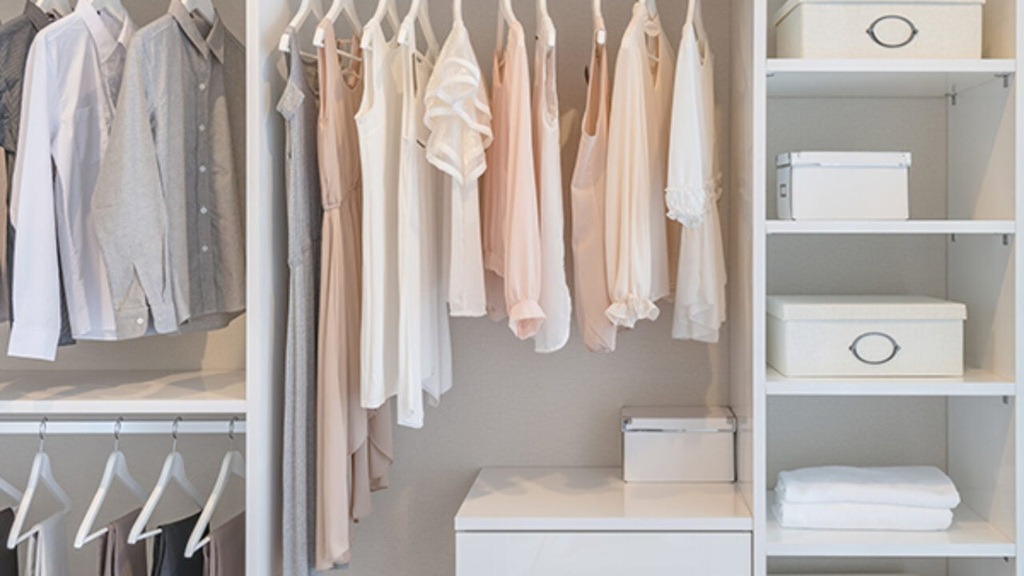
Deconstruction fashion isn’t about sacrificing comfort or practicality. It seamlessly blends functionality with elegance, ensuring your minimalist wardrobe is both stylish and wearable. From adjustable straps to oversized pockets, every detail serves a purpose while exuding an edgy vibe.
Key Pieces to Elevate Your Minimalist Wardrobe
When curating a minimalist wardrobe with deconstructed elements, consider the following staples:
| Item | Description | Styling Tips |
| Deconstructed Blazer | Features raw edges and asymmetrical cuts | Pair with tailored pants for contrast |
| Distressed Denim | Emphasizes rips and patchwork designs | Style with a plain white shirt |
| Layered Tops | Incorporates mixed fabrics and textures | Perfect for layering over turtlenecks |
| Asymmetric Skirts | Uneven hems for a dynamic look | Combine with ankle boots or flats |
The Role of Accessories in Deconstruction Fashion
Accessories can further elevate your deconstructed style. Opt for items with raw or unconventional finishes:
- Chunky, layered necklaces.
- Bags crafted from recycled materials.
- Shoes with an edgy, undone look.
FAQs
What is deconstruction fashion?
Deconstruction fashion is a design philosophy that challenges conventional norms by showcasing unfinished edges, asymmetry, and repurposed materials.
Why is deconstruction fashion popular among minimalists?
It offers unique, sustainable, and versatile pieces that align with minimalist principles of quality over quantity.
Can deconstruction fashion be practical?
Yes, many pieces are designed to combine functionality and style, making them suitable for everyday wear.
How does deconstruction fashion promote sustainability?
By using upcycled materials and reducing waste, it supports eco-conscious practices in the fashion industry.
What are some key deconstruction fashion trends?
Patchwork, raw hems, exposed seams, and asymmetrical designs are hallmark trends.
Related: What is Safari Style? Exploring the Adventurous World of Safari Fashion
Conclusion
Deconstruction fashion is more than just a trend; it’s a testament to creativity, sustainability, and individuality. For those embracing a minimalist lifestyle, it offers a fresh perspective on how to curate a wardrobe that’s as unique as it is practical. By investing in this style, you’re not just staying ahead of the fashion curve—you’re making a meaningful statement about the future of design and sustainability.