
Many computer users find themselves struggling with unwanted Temu-related software that seems difficult to remove completely. Whether you accidentally downloaded suspicious files or notice unusual browser behavior, this comprehensive guide will walk you through effective removal methods. For the latest tech tips and troubleshooting advice, The Fuzz Daily provides expert guidance on maintaining your digital security.
Understanding why certain applications resist standard removal procedures is crucial for computer maintenance. Sometimes legitimate shopping apps can become problematic due to bundled software or aggressive marketing tactics. Additionally, malicious software may disguise itself using familiar brand names to avoid detection.
The process of learning how to remove temu from my computer requires systematic approaches that address multiple system components. This ensures complete elimination of unwanted files, registry entries, and browser modifications that standard uninstallation might miss.
Identifying Temu-Related Issues on Your System
Before attempting removal, you need to identify exactly what Temu-related software exists on your computer. Start by checking your installed programs list through the Windows Control Panel or Mac Applications folder. Look for any programs with “Temu” in the name, including variations or similar spellings.
Browser hijacking represents another common issue associated with problematic software. Check your browser’s homepage, search engine settings, and installed extensions. Unexpected toolbars, pop-up advertisements, or redirects to unfamiliar websites indicate potential browser compromise.
System performance changes often accompany unwanted software installations. Monitor your computer for slower startup times, increased memory usage, or unexpected network activity. These symptoms help confirm whether removal procedures are necessary.
Manual Removal Through Standard Methods
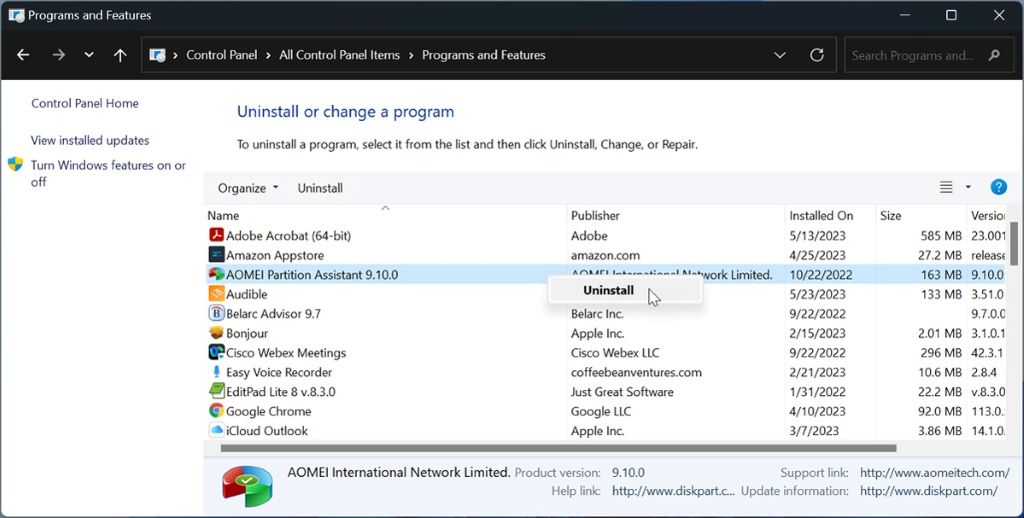
The first approach involves using your operating system’s built-in removal tools. On Windows computers, access the “Add or Remove Programs” feature through Settings or Control Panel. Search for any Temu-related entries and select “Uninstall” for each suspicious program.
Mac users should check the Applications folder and drag unwanted programs to the Trash. However, this method doesn’t always remove associated files stored in system folders. Therefore, additional cleanup steps remain necessary for complete removal.
After uninstalling main programs, restart your computer to allow system changes to take effect. This step helps identify whether the removal process was successful or if additional measures are required.
Deep System Cleaning Procedures
Complete removal often requires addressing files that standard uninstallation leaves behind. Use the Windows Registry Editor or Mac Terminal to search for remaining Temu references. However, exercise extreme caution when modifying system registries, as incorrect changes can damage your operating system.
Temporary file cleanup helps eliminate cached data and installation remnants. Run Disk Cleanup on Windows or use third-party cleaning utilities to remove temporary files, browser caches, and system logs that may contain unwanted data.
Browser reset procedures restore default settings and remove problematic extensions. Each major browser provides reset options that return configurations to factory defaults while preserving bookmarks and saved passwords.
Using Professional Removal Tools
Specialized anti-malware software provides comprehensive scanning capabilities that detect and remove stubborn applications. Programs like Malwarebytes, AdwCleaner, or similar tools offer advanced detection methods that identify hidden files and registry entries.
These tools typically provide real-time protection features that prevent future installations of unwanted software. Regular scans help maintain system cleanliness and identify potential security threats before they cause significant problems.
Some removal tools offer portable versions that run without installation, making them ideal for cleaning infected systems. These utilities can operate even when malware attempts to block standard security software.

Browser-Specific Cleaning Methods
Chrome users should check the Extensions menu for suspicious add-ons and reset browser settings through the Advanced options. Clear browsing data including cookies, cached files, and stored website data to eliminate tracking mechanisms.
Firefox provides similar reset functionality through the Troubleshooting Information page. Use the “Refresh Firefox” option to restore default settings while maintaining essential user data like bookmarks and passwords.
Safari users on Mac should check for unwanted extensions and clear website data through Privacy settings. The “Manage Website Data” option allows selective removal of stored information from specific domains.
Preventing Future Installations
Download software only from official sources and verified developers to avoid bundled applications that include unwanted components. Read installation prompts carefully and deselect optional software offerings that accompany legitimate programs.
Keep your operating system and browsers updated with the latest security patches. Enable automatic updates when possible to ensure protection against newly discovered vulnerabilities that malicious software might exploit.
Use reputable antivirus software with real-time protection capabilities. Configure the software to scan downloads automatically and block suspicious websites that might attempt to install unwanted programs.
Advanced Troubleshooting Techniques
System restore points provide a method for reverting your computer to a previous state before problematic software installation. Access this feature through Windows System Recovery or Mac Time Machine to undo recent system changes.
Boot from external media using antivirus rescue disks when standard removal methods fail. These tools operate outside the infected operating system, providing deeper access to hidden malware components.
Professional technical support may be necessary for severe infections that resist standard removal procedures. Computer repair services have specialized tools and expertise for handling complex malware situations.
Verifying Complete Removal
After completing removal procedures, verify that your system operates normally without unusual behavior. Monitor browser performance, check for unexpected pop-ups, and observe system resource usage patterns.
Run comprehensive system scans using multiple security tools to confirm complete elimination of unwanted software. Different programs may detect threats that others miss, providing thorough verification of system cleanliness.
Test your internet connection and browser functionality by visiting various websites and checking for redirects or unwanted advertisements. Normal browsing behavior indicates successful removal of browser-related components.
Conclusion
Successfully removing unwanted Temu-related software requires a systematic approach that addresses multiple system components. Start with standard uninstallation methods, then proceed to deeper cleaning procedures using specialized tools when necessary. Remember that prevention through careful software installation practices and regular system maintenance helps avoid future problems. If standard methods prove insufficient, don’t hesitate to seek professional technical assistance to ensure complete system security and optimal performance.
Frequently Asked Questions
Q: Why can’t I remove Temu software using normal uninstallation methods? A: Some applications install additional components, modify system files, or include bundled software that standard removal doesn’t address. These programs may also use techniques that make them resistant to typical uninstallation procedures.
Q: Is it safe to manually delete files and registry entries? A: Manual deletion requires technical expertise and carries risks of system damage. Always create system backups before making manual changes, and consider using specialized removal tools designed for safe cleanup procedures.
Q: How can I tell if the removal process was completely successful? A: Monitor your system for normal performance, absence of unwanted pop-ups, proper browser behavior, and no suspicious network activity. Running multiple security scans can verify complete elimination of unwanted components.
Q: What should I do if removal tools detect the software but can’t remove it? A: Try running removal tools in safe mode, use bootable antivirus rescue disks, or seek professional technical support. Some persistent infections require advanced techniques that standard users may find challenging to implement safely.
Q: How can I prevent similar software installations in the future? A: Download programs only from official sources, read installation prompts carefully, keep your system updated, use reputable antivirus software, and avoid clicking suspicious links or advertisements that might trigger unwanted downloads.
Read More: