
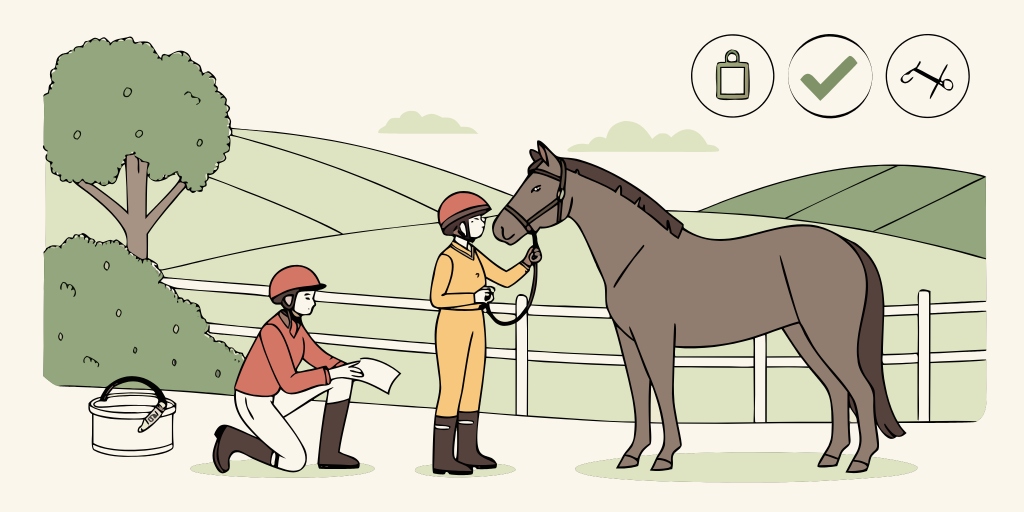
Caring for a horse brings immense joy, but it also comes with great responsibility. From proper nutrition and regular veterinary care to ensuring safe living conditions, responsible horse ownership requires a deep understanding of the animal’s physical and emotional needs. By adopting proactive strategies, owners can create an environment that promotes both safety and well-being, preventing avoidable risks that could impact the horse’s health or performance.
Financial preparedness is another essential part of responsible care. Investing in horse insurance offers peace of mind by helping owners manage unexpected medical expenses, accidents, or liability concerns. This protection allows horse owners to focus on providing the best care possible, knowing they are equipped to handle unforeseen challenges while maintaining a healthy, balanced, and secure environment for their equine companions.
Implementing Comprehensive Biosecurity Measures
Biosecurity has taken center stage in responsible horse management, especially with growing awareness of how disease outbreaks can disrupt operations and harm equine populations. Practical steps include isolating new arrivals, disinfecting equipment, and establishing protocols for handlers and visitors. Notably, the American Horse Council has collaborated with major stakeholders to prioritize biosecurity, receiving significant support from the USDA to bolster standards at equine facilities. These measures, tailored to both private and commercial settings, can safeguard not only your horse but also the wider community.
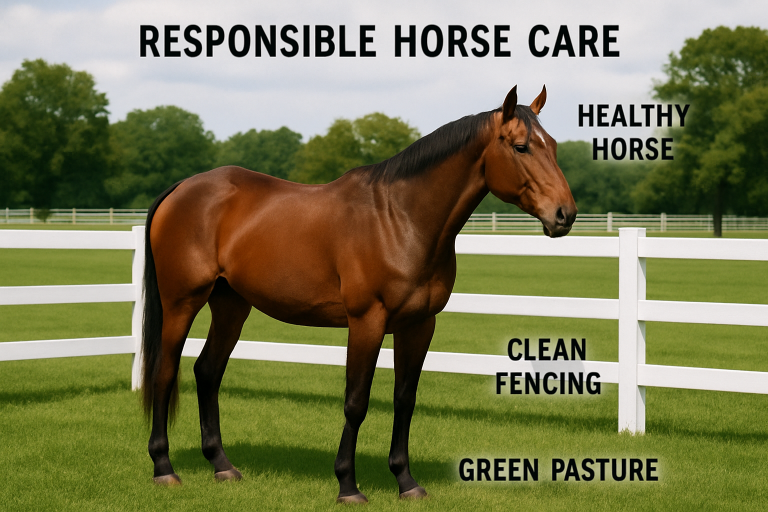
Understanding Equine Intelligence for Better Care
Understanding horses’ intellectual abilities is vital for modern ownership. Horses are sensitive to human emotions, and recent studies emphasize their problem-solving skills and adaptability. Research indicates that horses can quickly grasp rules and adapt to new situations, enhancing the effectiveness of positive reinforcement training. Recognizing their intelligence encourages owners to engage with greater empathy and creativity, which helps build stronger bonds and promotes healthier behaviors.
Adopting Sustainable Horsekeeping Practices
Environmental stewardship is closely tied to horse welfare. Sustainable horsekeeping practices, such as rotating pastures, composting manure, and choosing eco-friendly bedding, not only protect land quality but also contribute to healthier horses. Leveraging renewable energy, collecting rainwater, and maintaining native plant buffers can reduce the ecological footprint of barns and stables. Adopting these methods saves resources over time and ensures horses thrive in clean, natural surroundings.
Leveraging Technology in Horse Care
Technology is transforming the way owners track, manage, and care for their horses. Wearable devices monitor vital signs, movement, and rest, catching health issues at their earliest stages. Sophisticated management apps facilitate feeding schedules, breeding logs, and medical records, while virtual lessons expand access to training and rehabilitation. Embracing digital solutions leads to more informed decisions and smoother management, maximizing the time you spend with your horse.
Accessing Reliable Resources and Community Support
No horse owner has all the answers—and a collaborative, informed community is invaluable. Industry organizations offer evidence-based guidance on a range of topics, including nutrition and emergency preparedness. For example, World Horse Welfare has created free online resources, ensuring that horse owners everywhere can benefit from leading-edge research and best practices. Access their advice hub and find out how shared knowledge shapes better outcomes for horses at the World Horse Welfare website.
Conclusion
Smart horse ownership involves reducing risks and enhancing well-being through comprehensive strategies that integrate science, technology, and community wisdom. Prioritizing biosecurity, understanding equine intelligence, embracing sustainable practices, and utilizing modern tools lay the groundwork for a safe and supportive environment. When you leverage reliable resources and prudent risk management, you ensure that your horse enjoys the best quality of life—and that you, as an owner, are prepared for whatever the road ahead may bring.