

When working in a small garage, space is at a premium. Finding room for all your tools, projects, and workspace can be a frustrating challenge. A well-designed DIY workbench can transform your cramped garage into an organized, efficient, and highly functional workspace. But how do you build the perfect workbench tailored to limited space without sacrificing durability or comfort?
In this comprehensive guide, we’ll walk you through everything you need to know to build a DIY workbench for a small garage. From choosing the right materials and tools, to smart design tips tailored for compact spaces, plus maintenance advice and frequently asked questions — this article offers real value for DIYers, hobbyists, and pros alike.
Why Build a DIY Workbench for a Small Garage?
A sturdy, well-planned workbench is the heart of any workshop. But when your garage is under 200 square feet (or even less), you can’t just pick up a large pre-made bench — it has to be customized. Here’s why a DIY workbench is the way to go:
- Tailored Size & Layout: Customize the dimensions to fit your exact space, including width, depth, and height.
- Maximized Storage: Incorporate shelves, drawers, pegboards, or tool racks to keep tools organized.
- Cost-Effective: Building it yourself saves money compared to purchasing commercial benches.
- Quality Materials: You control the materials and craftsmanship, ensuring long-term durability.
- Personalized Functionality: Design with your specific projects in mind — woodworking, metalwork, electronics, or crafting.
Key Considerations Before Building Your Workbench
-
Measure Your Space Accurately
Start by measuring your garage’s usable workspace including corners, walls, and clearance areas to open doors or cabinets. Note the height between floor and any windows, vents or plumbing that could affect your bench placement.
-
Decide on the Workbench Type and Size
Common small garage benches range from 3 to 6 feet wide, 18 to 24 inches deep, and 32 to 36 inches high. Adjustable height benches add versatility but are more complex to build.
-
Select Your Workbench Materials
For a small garage, you want materials that balance durability and weight. Popular options include:
- Plywood or MDF for the tabletop (smooth, easy to replace).
- 2×4 or metal framing for the structure (robust but can be heavy).
- Hardwood tops like maple offer excellent durability but higher cost.
- Pegboards and metal racks for wall-mounted storage.
-
Plan Storage Solutions
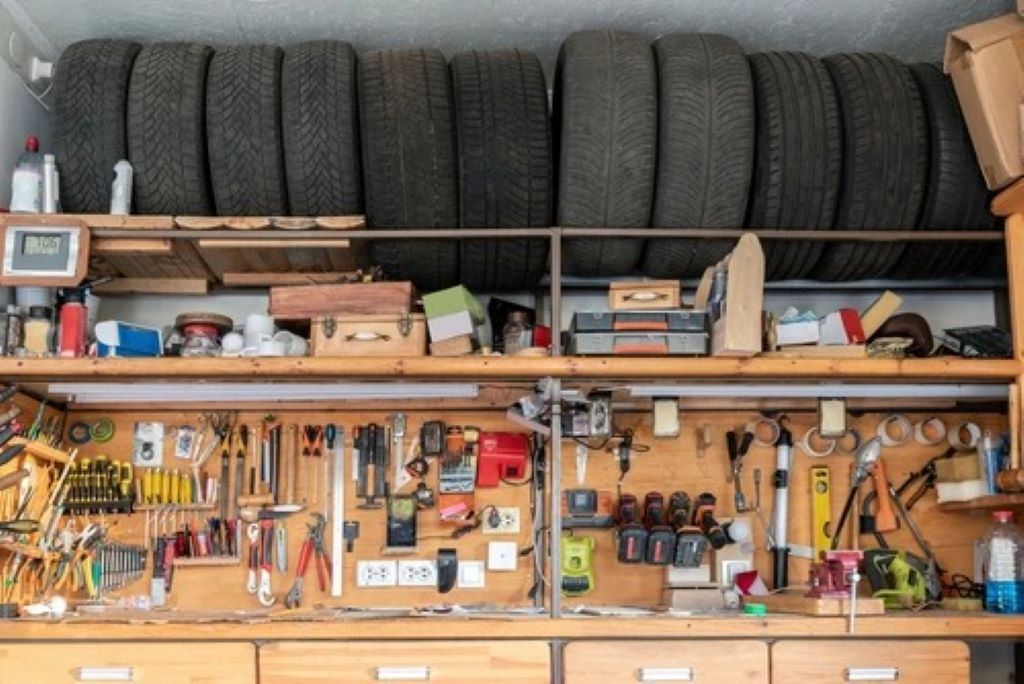
Integrate wall-mounted shelves, pegboards for hanging tools, narrow drawers for hardware, or under-bench cabinets. Think vertical and multi-level storage as space savers.
-
Consider Lighting and Power Outlets
Good lighting is essential. Installing LED strip lights or adjustable desk lamps can brighten up your bench area. Position power outlets nearby for easy tool plug-in.
Step-by-Step Guide to Build a DIY Workbench for a Small Garage
Materials and Tools You’ll Need
- Plywood or MDF board (3/4 inch thick recommended)
- 2×4 lumber (for framing legs and supports)
- Wood screws (2 1/2 inch and 1 1/4 inch)
- Wood glue
- Sandpaper or electric sander
- Drill with screwdriver bits
- Measuring tape & pencil
- Level
- Saw (circular or miter saw)
- Clamps
- Paint or wood sealant (optional)
Step 1: Cut the Workbench Top
Measure and cut your plywood or hardwood plank to the desired size. For small garages, 48″ width by 24″ depth is a common compact size.
Step 2: Build the Frame and Legs
Cut four 2×4 pieces to the desired bench height (usually 34-36 inches). Construct rectangular legs by joining pairs with horizontal 2×4 cross supports on the bottom and midsection to stabilize the frame.
Step 3: Attach the Workbench Top to the Frame
Center the tabletop on your frame and fix it tightly with wood screws going through the frame into the bottom of the plywood.
Step 4: Sand and Finish the Surface
Sand the edges and surface for smoothness to avoid splinters. Apply paint, wood stain, or sealant for protection and a polished look.
Step 5: Add Storage Options
- Install pegboards on the wall above the bench for tools.
- Mount small shelves beneath or add drawers using prefabricated sliders.
- Attach hooks or magnetic strips for metal tools.
Space-Saving DIY Workbench Tips for Small Garages
- Fold-Down or Wall-Mounted Benches: These free up floor space when not in use and can be built sturdy enough for light projects.
- Narrow, Long Benches: If your garage is longer than wide, opt for a slim workbench to fit one wall.
- Use Wheels or Casters: Make the bench mobile to create flexible space.
- Multi-Purpose Workbench: Design the top with interchangeable surfaces for different tasks like cutting, assembly, or painting.
- Incorporate Vertical Storage: Use overhead shelves or pegboards to maximize wall space.
- Lighting Integration: Install focused task lighting directly on or above the bench.
Maintenance and Safety Tips
- Regularly inspect your bench for loose screws or splits in wood.
- Keep the surface clean and free from paint, glue, or dust buildup.
- Use clamps to secure materials to avoid slips while working.
- Position your bench in a well-ventilated area.
- Avoid overloading storage components to maintain stability.
Frequently Asked Questions (FAQs)
Q1. What’s the ideal height for a small garage workbench?
A comfortable height for most users is between 34 and 36 inches. Taller people may prefer about 38 inches, while shorter individuals might want under 34 inches.
Q2. Can I use plywood for the workbench top? Is it durable enough?
Yes, 3/4 inch thick plywood is a popular and affordable choice. Adding a hardwood veneer or laminate can improve durability and smoothness.
Q3. How much should I budget for building a small garage workbench?
Basic materials for a small, simple bench typically cost between $100-$150. Adding storage, better wood, or custom features can increase costs.
Q4. What are some good storage solutions for small garages?
Pegboards, wall hooks, under-bench drawers, and vertical shelving units are ideal for limited space. Magnetic tool strips also save drawer space.
Q5. Can I build a portable workbench for my garage?
Absolutely. Adding sturdy locking casters to the legs aids mobility while maintaining stability.
Conclusion: Transform Your Small Garage with a Custom DIY Workbench
Building a DIY workbench tailored for your small garage is a rewarding project that can dramatically improve your workspace functionality, organization, and efficiency. By carefully measuring your space, selecting the right materials, and incorporating smart space-saving design features, you can create a compact workbench that punches far above its weight.
Related Topics:
Gas Stove Igniter Glows but No Flame in Oven: Troubleshooting and Solutions
Stunning Roof Design Ideas for Houston Residences