
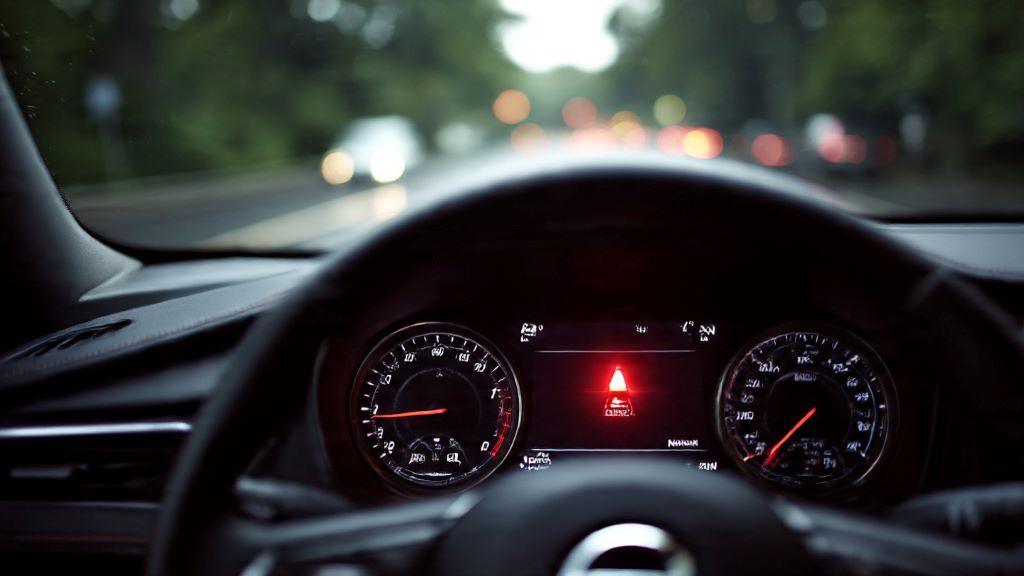
If you’ve noticed your Nissan lane assist light flashing on your dashboard, you’re not alone. Many Nissan drivers experience this issue, and it can be concerning when safety features suddenly alert you to a problem. The flashing light typically indicates that your vehicle’s lane departure warning system has detected an issue that requires attention. Understanding why this happens and what steps to take can help you maintain your vehicle’s safety systems effectively. At Local Motor Homes, we understand how important these advanced safety features are for drivers.
Understanding Your Nissan Lane Assist System
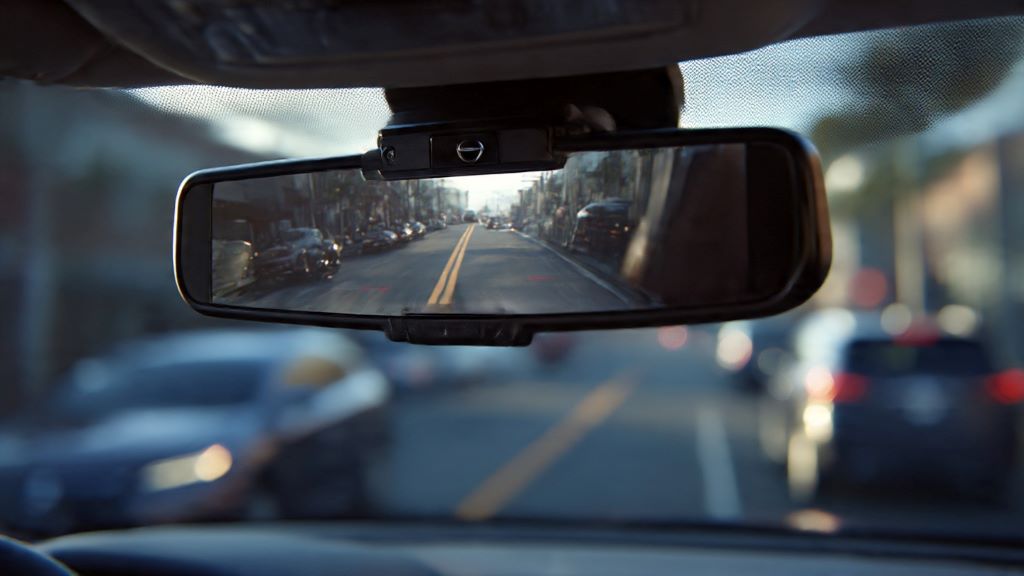
The lane assist system in your Nissan is designed to help prevent unintentional lane departures. This advanced driver assistance system uses cameras mounted near the rearview mirror to monitor lane markings on the road. When the system detects that your vehicle is drifting out of its lane without a turn signal activated, it provides visual and audible warnings. Additionally, some models offer steering assistance to gently guide your vehicle back into the lane.
However, this sophisticated technology requires precise calibration to function correctly. Various factors can cause the system to malfunction, resulting in that flashing warning light on your dashboard. The good news is that most causes are relatively easy to identify and resolve.
Common Reasons for a Flashing Lane Assist Light
Camera Obstruction or Dirt
The most common reason for a flashing lane assist light is a dirty or obstructed camera. The camera sensor sits behind your windshield and needs a clear view of the road ahead. Dirt, snow, ice, or even a small crack in the windshield can interfere with the camera’s ability to read lane markings. Therefore, keeping your windshield clean is essential for proper system function.
Faded or Missing Lane Markings
Your lane assist system relies on clearly visible lane markings to work properly. During heavy rain, snow, or on roads with faded paint, the camera may struggle to detect lanes. This environmental limitation can trigger the warning light. However, this is usually temporary and resolves once road conditions improve.
Calibration Issues After Service
One of the most overlooked causes involves nissan lane keep calibration after alignment. When your vehicle undergoes wheel alignment, suspension work, or windshield replacement, the camera’s angle may shift slightly. Even a minor change can affect the system’s accuracy. Consequently, recalibration becomes necessary to restore proper function.
Electrical System Problems
Sometimes, the flashing light indicates an electrical issue within the system. A loose connection, blown fuse, or sensor malfunction can trigger the warning. These problems typically require professional diagnosis using specialized equipment.
Extreme Weather Conditions
Heavy rain, fog, or direct sunlight can temporarily affect the camera’s performance. The system may automatically disable itself in these conditions as a safety precaution. Once weather conditions improve, the system usually resumes normal operation.
When Calibration Becomes Necessary
According to the National Highway Traffic Safety Administration, advanced driver assistance systems require precise calibration to function safely and effectively. Several situations demand recalibration of your lane assist system. Understanding these scenarios helps you maintain optimal system performance.
First, any collision repair that affects your vehicle’s front end requires recalibration. Even minor fender benders can alter sensor alignment. Second, windshield replacement is a critical trigger for recalibration needs. Since the camera mounts to the windshield, installing a new one changes its positioning. Third, suspension modifications or repairs can affect the camera’s viewing angle.
Additionally, wheel alignment services may necessitate recalibration. While alignment focuses on tire positioning, it can indirectly affect how the camera perceives the road. Finally, if you’ve recently purchased a used Nissan, the previous owner may not have maintained proper calibration after repairs.
How to Troubleshoot the Flashing Light
Start with Simple Solutions
Before visiting a mechanic, try these straightforward troubleshooting steps. First, thoroughly clean your windshield, especially the area in front of the camera. Use a quality glass cleaner and ensure no streaks remain. Next, check for any obstructions like parking permits or air fresheners hanging from the rearview mirror.
Then, restart your vehicle’s system by turning off the engine completely and waiting a few minutes before restarting. Sometimes, a simple reset resolves temporary glitches. Additionally, review your owner’s manual for specific troubleshooting steps for your Nissan model.
Check Road Conditions
Pay attention to where the warning light appears. If it only flashes on certain roads with poor lane markings, the system is likely functioning correctly. However, if the light persists on well-marked highways, a deeper issue exists.
Monitor Pattern of Occurrence
Keep track of when the flashing occurs. Does it happen in specific weather conditions? After recent vehicle service? During certain times of day? This information helps technicians diagnose the problem more efficiently.
Professional Diagnosis and Repair
When to Visit a Technician
If basic troubleshooting doesn’t resolve the issue, professional help becomes necessary. Technicians have specialized diagnostic tools that read error codes from your vehicle’s computer system. These codes provide specific information about what’s causing the malfunction.
Modern calibration requires sophisticated equipment that precisely measures and adjusts camera angles. Consumer Reports notes that proper ADAS calibration is crucial for vehicle safety systems to operate as designed. Dealerships and certified repair shops have the necessary tools and training to perform these calibrations accurately.
What to Expect During Service
During a calibration appointment, technicians typically perform several steps. First, they’ll diagnose the issue using diagnostic scanners. Then, they’ll clean and inspect all components of the lane assist system. Next, they’ll perform the actual calibration using targets and alignment equipment.
The process usually takes one to two hours, depending on your vehicle’s specific requirements. Costs vary but typically range from one hundred to three hundred dollars. However, proper calibration ensures your safety systems work correctly, making it a worthwhile investment.
Choosing the Right Service Provider
Select a service provider experienced with Nissan vehicles and ADAS systems. Ask about their calibration equipment and technician certifications. Dealerships offer the advantage of manufacturer-specific knowledge, while independent shops may provide more competitive pricing.
Preventing Future Issues
Regular Maintenance Tips
Maintaining your lane assist system doesn’t require extensive effort. Regularly clean your windshield, especially before long trips. Inspect the camera area for damage or obstructions. Furthermore, address any windshield chips or cracks promptly, as they can interfere with camera function.
Proper Driving Habits
Remember that lane assist is a supplementary safety feature, not a substitute for attentive driving. Always keep your hands on the wheel and eyes on the road. Use turn signals consistently, as the system is designed to allow intentional lane changes.
Stay Informed About Recalls
Occasionally, manufacturers issue recalls or software updates for safety systems. Register your vehicle with Nissan to receive notifications about any updates affecting your lane assist system. These updates often improve system performance and reliability.
The Importance of ADAS Technology
Advanced Driver Assistance Systems represent a significant advancement in vehicle safety. These technologies work together to prevent accidents and protect drivers. Lane assist specifically helps address one of the most common causes of highway accidents: unintentional lane departures.
Studies show that lane departure warning systems can reduce certain types of crashes by up to fourteen percent. However, these benefits only materialize when systems are properly calibrated and maintained. Therefore, addressing that flashing warning light promptly contributes to your overall safety on the road.
Conclusion
A flashing Nissan lane assist light typically signals an issue that requires your attention. Most commonly, the problem stems from a dirty camera, poor road conditions, or calibration issues following vehicle service. While some problems resolve with simple cleaning and system resets, others require professional calibration.
Understanding when calibration becomes necessary helps you maintain this important safety feature. After wheel alignment, windshield replacement, or collision repair, always ensure proper recalibration. By addressing issues promptly and maintaining your system properly, you keep this valuable safety technology working effectively.
Remember that lane assist technology enhances your driving experience but doesn’t replace careful, attentive driving. If troubleshooting doesn’t resolve your flashing light, consult a qualified technician. Proper diagnosis and repair ensure your Nissan’s safety systems protect you and your passengers as designed.
Frequently Asked Questions
Can I drive my Nissan with a flashing lane assist light?
Yes, you can drive safely with a flashing lane assist light. The warning indicates the lane assist feature isn’t functioning, but it doesn’t affect your vehicle’s basic operation. However, you should address the issue soon to restore this important safety feature.
How much does Nissan lane assist calibration cost?
Calibration costs typically range from one hundred to three hundred dollars, depending on your location and service provider. Dealerships may charge more than independent shops, but they offer manufacturer-specific expertise. Always get quotes from multiple providers before scheduling service.
Why does my lane assist only work on some roads?
Lane assist requires clearly visible lane markings to function properly. On roads with faded, missing, or snow-covered markings, the system may not activate. This is normal behavior and doesn’t indicate a malfunction. The system should work correctly on well-marked highways and roads.
How often should I calibrate my lane assist system?
You should calibrate your lane assist system after any windshield replacement, collision repair, wheel alignment, or suspension work. Otherwise, the system doesn’t require regular calibration intervals. If your warning light appears without recent service, have a technician diagnose the cause.
Will a dirty windshield really affect my lane assist?
Absolutely. The camera sensor relies on a clear view through your windshield to detect lane markings. Dirt, water spots, ice, or even bug residue can interfere with camera function. Regular windshield cleaning is one of the simplest ways to prevent lane assist problems.
Related Topics:
When Was the Classic Car Era: A Journey Through Automotive Time