
Key Takeaways
- Maintaining proper tire pressure significantly improves fuel efficiency by reducing rolling resistance.
- Even a small drop in pressure can increase fuel consumption and long-term operational costs.
- Correct tire inflation improves safety by enhancing traction and reducing the risk of blowouts.
- Regular monthly tire pressure checks help ensure consistent performance and prevent uneven tire wear.
- Properly inflated tires last longer, reducing replacement frequency and overall maintenance expenses.
- Temperature changes can affect tire pressure, making seasonal checks especially important.
- Professional tire management services can help fleets maintain optimal inflation and improve overall efficiency.
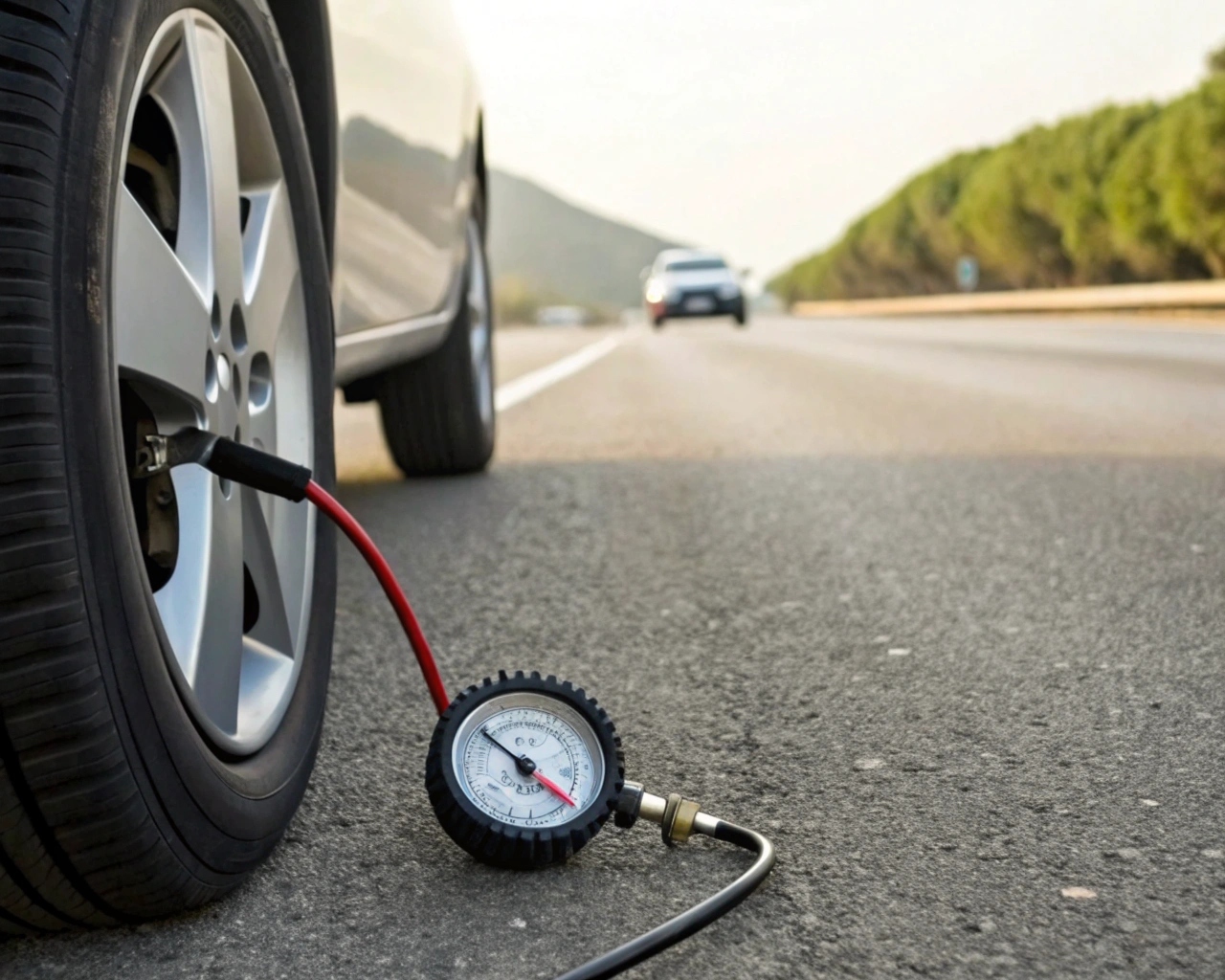
Maintaining ideal tire pressure is a remarkably effective way to enhance fuel efficiency and minimize operational costs for both personal and commercial vehicles. Underinflated tires create excessive rolling resistance, which forces your vehicle’s engine to consume additional fuel, driving up expenses whether you manage a fleet or own just one car. Simple, proactive measures like regular pressure checks and timely inflation adjustments can go a long way in optimizing performance and helping drivers discover how to reduce fuel costs with tire pressure.
Aside from financial benefits, proper tire inflation is integral to road safety and vehicle longevity. Tires kept at the correct pressure level experience less uneven wear and provide better traction, ultimately reducing the risk of accidents and the frequency of tire replacements. With the rising cost of fuel and growing concern for sustainability, effective tire maintenance is more important than ever for drivers seeking to cut unnecessary expenses.
Why Does Tire Pressure Affect Fuel Efficiency?
When tires are underinflated, they increase the energy required to keep the vehicle moving, known as rolling resistance. This means the engine must burn more fuel to sustain speed, which directly impacts miles per gallon. According to the U.S. Department of Energy, a 1 psi drop in tire pressure can lead to a 0.2% decrease in fuel economy, underscoring the impact tire pressure has on operational costs.
How Can Proper Tire Inflation Lead to Cost Savings?
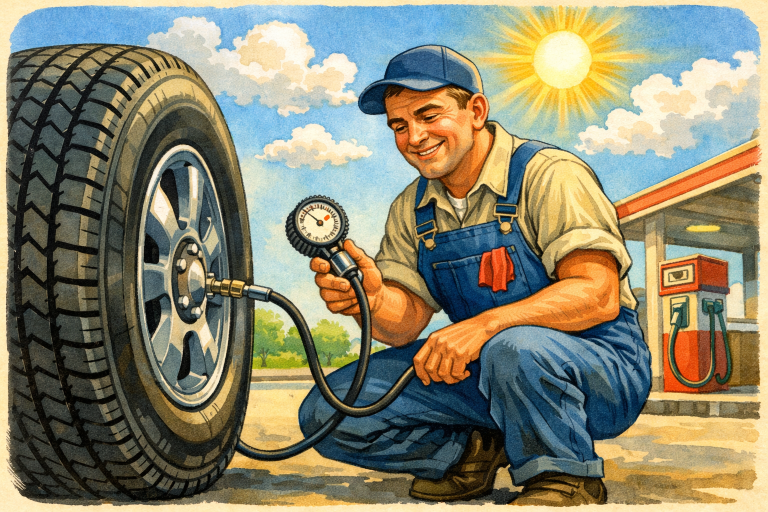
Cost savings from proper tire inflation extend beyond reduced fuel bills. Tires that operate at the recommended pressure endure less stress and friction, which means they last longer before needing replacement. For commercial fleet operators facing large-scale tire and fuel expenses, even modest efficiency gains translate into substantial annual savings. Fleet managers can expect both reduced fuel costs and longer tire purchase intervals by following consistent inflation practices.
What Are the Risks of Driving with Underinflated Tires?
Driving on underinflated tires exposes drivers and fleets to several serious risks. In addition to higher fuel consumption, these tires are prone to uneven tread wear and are much more likely to overheat, especially at highway speeds or in hot climates. Overheating can cause tread separation or complete tire failure, increasing the risk of roadside emergencies and potentially leading to costly accidents or liability issues.
How Often Should Tire Pressure Be Checked?
Industry experts recommend checking tire pressure at least once per month, as well as before long journeys. Tires lose pressure naturally over time, even in optimal conditions, and both cold and hot weather will alter internal tire pressure. Consistent monitoring ensures tires maintain the correct air pressure, maximizing both fuel efficiency and vehicle safety.
How Can Fuel and Tire Saver Assist in Maintaining Optimal Tire Pressure?
Specialized tire management services, such as Fuel and Tire Saver, provide proactive solutions to ensure continuous optimal tire inflation, particularly for commercial operations with numerous vehicles. They offer monthly pressure assessments and nitrogen inflation, which help maintain pressure longer than standard air. This technology-driven approach boosts fuel mileage, enhances vehicle handling, and reduces tire-related downtime.
Frequently Asked Questions
What is rolling resistance?
Rolling resistance is the energy lost as heat when a tire rolls against the road surface. The greater the rolling resistance, the more work the engine must do, and thus, more fuel is consumed.
Why is nitrogen used for tire inflation?
Nitrogen is less likely than air to escape through tire walls, helping retain the set pressure for a longer period. Stable tire pressure achieved with nitrogen inflation can help improve fuel economy and prolong tire life.
Can overinflating tires improve fuel efficiency?
While overinflated tires may have slightly lower rolling resistance, they compromise traction, cause uneven wear, and can make the ride much rougher. These disadvantages outweigh any minimal fuel savings. Maintaining the manufacturer-recommended pressure ensures optimal performance and safety.
How does temperature affect tire pressure?
Tire pressure naturally drops in chilly weather and rises in heat. For every 10°F fluctuation in temperature, tire pressure can change by about 1 psi. As seasonal temperatures shift, periodic pressure checks become especially important.
Is it cost-effective to use a tire pressure management service?
Businesses running commercial fleets often find that dedicated tire pressure management services are well worth the investment. These services provide continual monitoring, reduce the frequency of costly tire failures, help lower fuel bills, and keep vehicles on the road longer.
Final Thoughts
In conclusion, proper tire maintenance is a fundamental yet powerful way to control fuel costs and improve vehicle safety. By incorporating regular checks, understanding the impact of inflation levels, and leveraging professional nitrogen inflation services, both fleet managers and everyday drivers can maximize the value of every gallon and every mile.