
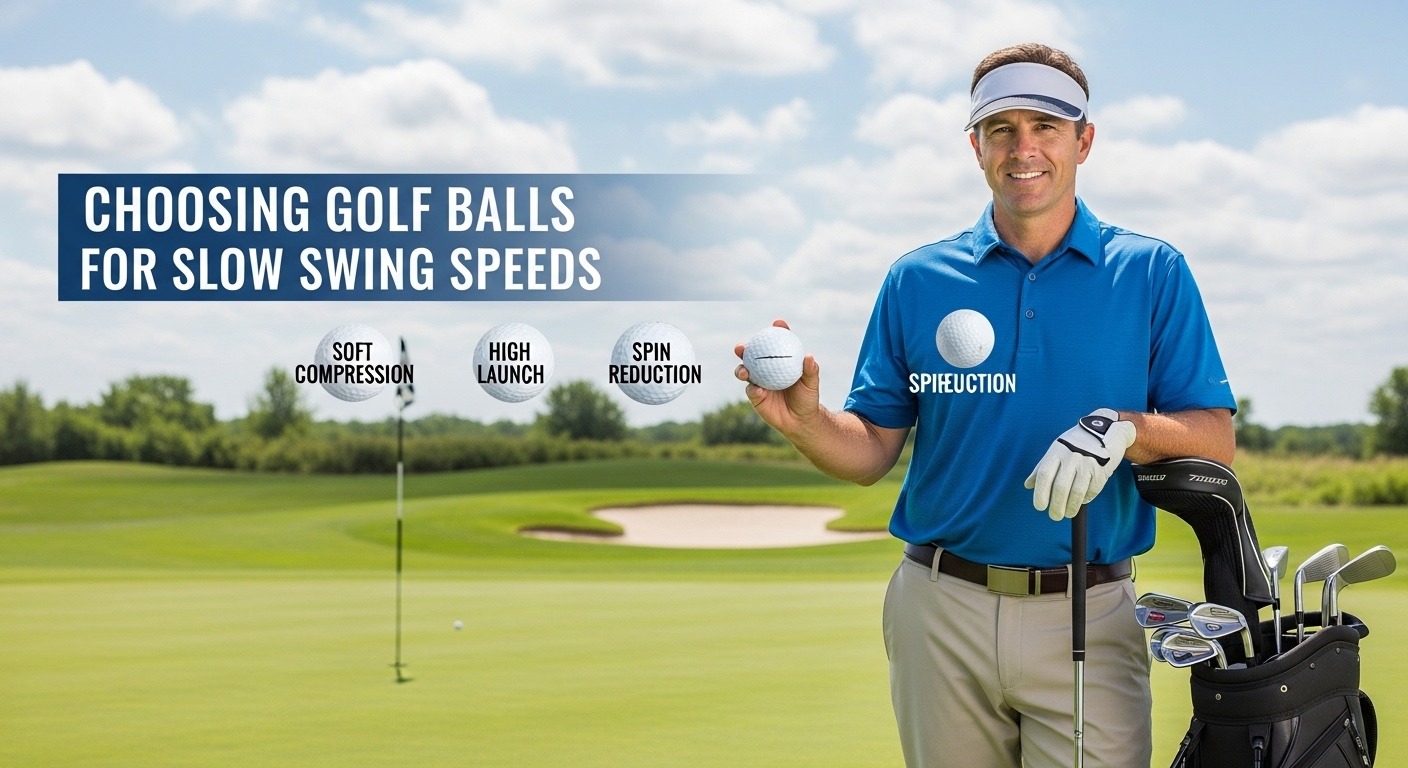
Many amateur golfers struggle with distance and consistency, especially if they have a slow swing speed. If your driver swing speed is below 85 mph, using the wrong golf ball can reduce distance and control. The right golf ball can make a measurable difference.
Golf balls designed for slower swing speeds typically use low compression cores. These balls compress more easily at impact, allowing players to generate more energy transfer and achieve better launch conditions. The result is improved distance, softer feel, and more forgiving performance.
According to launch monitor studies conducted by equipment researchers such as TrackMan, amateur golfers with swing speeds below 85 mph gain an average of 5–12 yards of additional carry distance when switching from high-compression tour balls to low compression golf balls.
In this guide, we will break down exactly how to choose golf balls for slow swing speeds. You will learn what compression means, which features matter most, and how beginner swing speed golfers can improve performance without changing their swing.
Why Do Slow Swing Speed Golfers Need Different Golf Balls?
Short Answer: Golfers with slow swing speeds need low compression golf balls because they compress more easily, helping generate better distance and launch.
Golf ball compression measures how much the ball deforms during impact. Higher compression balls require faster swing speeds to compress effectively.
Professional golfers often use balls with compression ratings above 90. These balls are designed for swing speeds above 100 mph.
However, most recreational golfers swing much slower. According to data from the USGA and TrackMan amateur performance reports:
- Average male amateur driver swing speed: 93 mph
- Average female amateur swing speed: 65–75 mph
- Many beginners swing below 85 mph
When a slow swing speed golfer uses a high compression ball, the ball does not compress fully at impact. That leads to:
- Reduced energy transfer
- Lower ball speed
- Shorter carry distance
- Harder feel
Low compression balls solve this problem by compressing more easily. This improves launch conditions and helps beginner swing speed players maximize distance.
What Is Considered a Slow Swing Speed in Golf?
Short Answer: A slow swing speed typically refers to a driver swing speed below 85 mph.
Swing speed determines how much energy transfers into the golf ball. The slower the swing, the more important ball compression becomes.
| Driver Swing Speed | Golfer Type | Recommended Compression |
|---|---|---|
| 110+ mph | Professional / Elite Amateur | High (90–100) |
| 95–105 mph | Advanced Amateur | Medium (80–90) |
| 80–95 mph | Average Golfer | Medium-Low (60–80) |
| Below 80 mph | Beginner / Senior / Many Recreational Players | Low (30–60) |
If your swing speed falls in the lower categories, low compression balls are typically the best choice.
What Are Low Compression Golf Balls?
Short Answer: Low compression golf balls are balls designed to compress easily at impact, helping slower swing speeds generate more ball speed and distance.
Compression ratings generally range from 30 to 100. Lower numbers mean the ball is softer and easier to compress.
Low compression balls typically have:
- Softer core materials
- Lower compression rating (30–60)
- Higher launch characteristics
- Reduced spin off the driver
These features help players with beginner swing speed produce a more efficient ball flight.
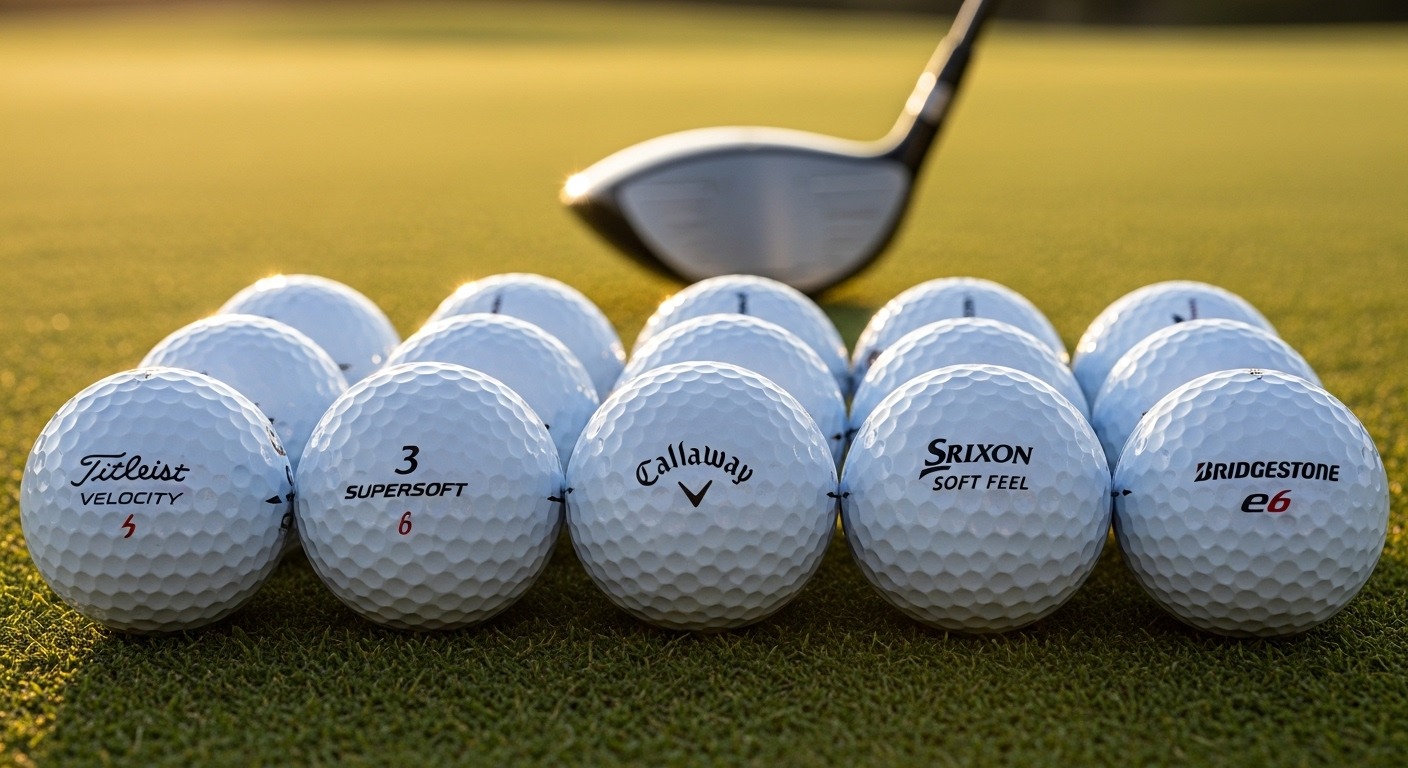
Many modern golf ball manufacturers design specific models for slow swing speeds, including:
- Callaway Supersoft
- TaylorMade Soft Response
- Srixon Soft Feel
- Wilson Duo Soft
These models are among the most widely recommended options for players seeking more distance and forgiveness.
How Does Compression Affect Distance for Slow Swing Speeds?
Short Answer: Lower compression allows slower swings to compress the ball more effectively, increasing energy transfer and improving distance.
When a golf club strikes the ball, energy moves from the clubhead into the ball. The amount of compression determines how efficiently that energy transfers.
A launch monitor case study conducted by independent equipment testers measured performance differences between compression levels.
| Ball Type | Compression | Average Carry Distance |
|---|---|---|
| Tour Ball | 95 | 198 yards |
| Mid Compression Ball | 75 | 205 yards |
| Low Compression Ball | 45 | 210 yards |
Testers swinging between 75–85 mph gained 12 yards of carry distance when switching from a tour-level ball to a low compression ball.
While distance gains vary between players, the trend remains consistent: slower swing speeds perform better with lower compression balls.
Which Features Matter Most When Choosing Golf Balls for Beginner Swing Speed?
Short Answer: Compression, spin rate, launch characteristics, and cover material are the most important factors.
1. Compression Rating
Compression is the most important factor for slow swing speed golfers. Choose balls with compression ratings between 30 and 60.
2. Low Driver Spin
High spin can reduce distance for slower swings. Many beginner-focused golf balls reduce driver spin while maintaining short-game control.
3. Soft Feel
Low compression balls typically feel softer on impact. This improves feedback and can increase confidence around the greens.
4. High Launch Design
Many slower swing players struggle to launch the ball high enough. Balls designed with aerodynamic dimple patterns help increase launch and carry.
5. Durable Cover
Beginner golfers often benefit from durable ionomer covers that resist scuffs and cuts.
Are Two-Piece Golf Balls Better for Slow Swing Speeds?
Short Answer: Yes, two-piece golf balls are often ideal for slow swing speed golfers because they maximize distance and durability.
Two-piece balls consist of:
- A large solid core
- A durable outer cover
This design prioritizes:
- Distance
- Low spin
- Durability
Tour-level balls often use three or four layers to provide more spin control for advanced players. However, beginner swing speed golfers rarely generate enough spin to benefit from these complex designs.
For most recreational players, two-piece balls provide the best balance of performance and affordability.
Can the Wrong Golf Ball Reduce Your Distance?
Short Answer: Yes. Using a ball that does not match your swing speed can reduce distance and ball speed.
Many golfers assume expensive tour balls automatically improve performance. However, these balls are optimized for high-speed players.
When slow swing speed players use high compression balls, they often experience:
- Lower ball speed
- Reduced launch
- Less carry distance
- Harder impact feel
A properly fitted golf ball can sometimes provide more immediate improvement than equipment upgrades.
Golf fitting professionals frequently recommend starting with ball optimization before changing clubs.
What Are the Best Golf Ball Models for Slow Swing Speeds?
Short Answer: Several manufacturers produce golf balls specifically designed for low swing speeds.
| Golf Ball | Compression | Best For |
|---|---|---|
| Callaway Supersoft | ~38 | Maximum softness and distance |
| Wilson Duo Soft | ~35 | Extremely low compression |
| Srixon Soft Feel | ~60 | Balanced distance and control |
| TaylorMade Soft Response | ~60 | High launch and soft feel |
Each of these balls is designed to improve performance for golfers with beginner swing speeds.
How Can You Identify Your Swing Speed?
Short Answer: Swing speed can be measured using launch monitors, simulators, or golf fitting sessions.
Common tools used to measure swing speed include:
- Launch monitors (TrackMan, FlightScope)
- Golf simulator systems
- Professional club fitting sessions
- Driving range radar systems
If you do not have access to these tools, average distance estimates can help approximate swing speed.
| Driver Distance | Estimated Swing Speed |
|---|---|
| 200 yards | ~80 mph |
| 220 yards | ~85 mph |
| 250 yards | ~95 mph |
If your drives average under 220 yards, you likely fall into the slow-to-average swing speed category.
Conclusion: How Should You Choose the Right Golf Ball?
Choosing the right golf ball for slow swing speeds is one of the easiest ways to improve your performance without changing your swing.
Players with slower swing speeds benefit most from low compression golf balls designed to maximize energy transfer and launch. These balls help increase distance, provide softer feel, and create a more forgiving experience for beginner swing speed golfers.
Instead of selecting golf balls based on brand popularity or professional endorsements, focus on performance characteristics that match your swing speed.
If your driver swing speed is below 85 mph, a low compression ball between 30 and 60 compression is typically the most effective option.
Experimenting with different models can help you discover which ball produces the best launch, feel, and consistency.
Next Step: Try testing two or three low compression golf balls during your next round or driving range session. Compare distance, ball flight, and feel to determine which one works best for your swing.
Frequently Asked Questions About Golf Balls for Slow Swing Speeds
Do low compression golf balls really increase distance?
Yes. Low compression balls compress more easily during impact, allowing slower swing speeds to generate more ball speed and distance.
What compression rating is best for beginners?
Most beginners benefit from compression ratings between 30 and 60 because these balls are easier to compress and produce higher launch conditions.
Are expensive tour golf balls bad for slow swing speeds?
Tour balls are not necessarily bad, but they are optimized for high swing speeds. Slow swing players often see better distance with low compression alternatives.
Do softer golf balls spin more?
Soft golf balls generally produce more spin with wedges but are designed to reduce driver spin to maximize distance.
Can seniors benefit from low compression golf balls?
Yes. Many senior golfers experience reduced swing speed over time. Low compression balls help maintain distance and improve launch.
How many layers should a beginner golf ball have?
Most beginners perform best with two-piece golf balls because they prioritize distance and durability.
Does golf ball color affect performance?
No. Color does not significantly affect performance. However, brighter colors can improve visibility during play.
Read More Also: How to Identify Durable Surf Fishing Reels That Last Years
Find out: How to Choose Zero Waste Kid Gift Ideas That Are Fun and Sustainable