
Practicing your golf swing at home can transform your game without breaking the bank. Many golfers assume they need to spend hundreds of dollars on premium equipment to get quality practice sessions. However, finding affordable options that still provide a realistic hitting experience is entirely possible with the right knowledge and approach.
The market offers numerous choices at various price points, making it challenging to determine which products deliver genuine value. Some inexpensive options feel like hitting concrete, while others wear out after just a few practice sessions. Therefore, understanding what separates quality budget golf hitting mats from cheap knockoffs becomes essential for making a smart purchase.
This comprehensive guide will help you navigate the world of affordable golf practice equipment. You’ll learn what features matter most, which compromises are acceptable, and how to identify products that punch above their weight class. By the end, you’ll know exactly how to find a training mat that improves your game without emptying your wallet.
Understanding What Makes a Mat Feel Realistic
Before shopping for affordable options, you need to understand what creates a realistic feel when striking a golf ball. The best mats simulate the sensation of hitting off real grass, providing proper feedback about your swing quality and ball contact.
Turf density plays a crucial role in how a mat performs. Dense turf fibers create resistance similar to natural grass, allowing your club to interact with the surface properly. Sparse or poorly constructed fibers offer little resistance, making every shot feel the same regardless of your technique.
The backing material affects both durability and shock absorption. Quality mats use foam or rubber backing that cushions impact and reduces stress on your joints. Hard backing materials transfer shock directly to your wrists and elbows, potentially causing injury over time.
Fiber length and type influence how your club moves through the hitting zone. Shorter fibers generally provide less forgiveness, giving you honest feedback about fat shots and poor contact. Longer fibers can hide mistakes but may not prepare you for actual course conditions.
Additionally, the mat’s thickness determines how much give it has when you strike down. Thin mats placed on concrete feel jarring and unrealistic. Adequate thickness creates a more forgiving surface that better mimics hitting from grass.
Identifying Quality Features in Affordable Options
Not all expensive features are necessary for effective practice. However, certain elements should never be sacrificed, even when shopping on a budget. Knowing which features provide the most value helps you make informed decisions.
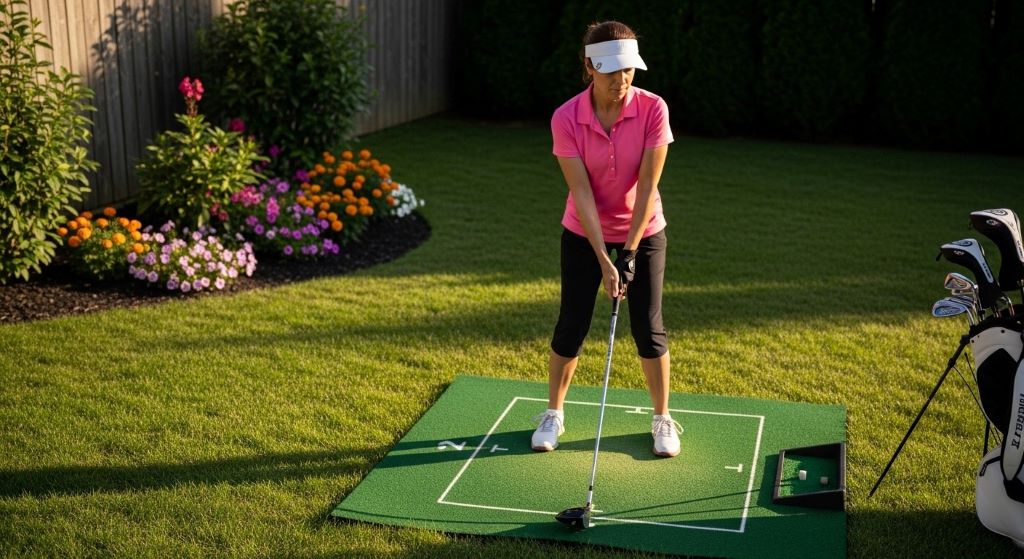
Look for mats with two-tone or multi-colored hitting surfaces. These visual guides help you align your stance and practice hitting from specific spots. This feature costs manufacturers very little but adds significant value for golfers working on consistency.
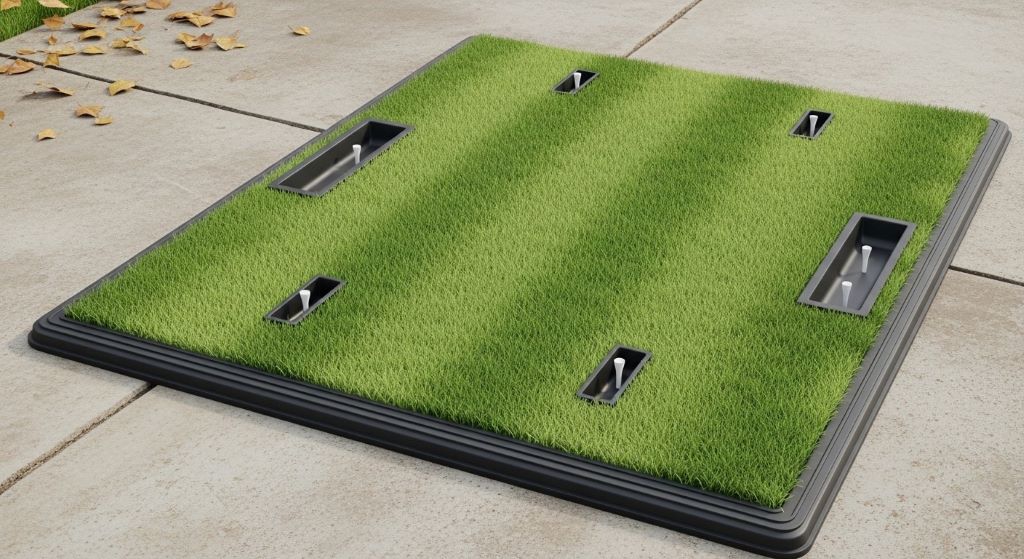
Rubber tees that insert into the mat offer versatility for practicing with a driver or fairway woods. Some budget options include multiple tee holes at various positions, letting you practice different lies and shot types. This simple addition dramatically increases a mat’s usefulness.
Replaceable hitting strips extend the life of your investment. The area where you repeatedly strike balls wears down faster than the rest of the mat. Mats with replaceable sections let you swap out worn areas rather than replacing the entire product.
Non-slip backing prevents the mat from sliding during use. Even the most realistic-feeling mat becomes frustrating and potentially dangerous if it moves with every swing. Quality rubber backing grips various surfaces without requiring additional adhesives or weights.
Portability features like handles or the ability to roll up make storage easier. If you plan to move your mat between locations or store it between practice sessions, these convenience features matter more than you might initially think.
Where to Find the Best Deals
Knowing where to shop can save you as much money as knowing what to buy. Different retailers offer varying prices on identical products, and timing your purchase strategically can yield significant savings.
Online marketplaces often have the widest selection and most competitive prices. However, you’ll need to rely on reviews and product descriptions rather than hands-on inspection. Read multiple reviews focusing on long-term durability and realistic feel rather than just initial impressions.
Sporting goods stores occasionally offer clearance sales on previous year’s models. These products typically perform identically to current versions but sell at substantial discounts. Building a relationship with local store managers can alert you to upcoming sales before they’re widely advertised.
Golf specialty retailers sometimes bundle mats with other training aids at reduced prices. While you might pay slightly more for the mat alone, the overall package value often exceeds buying items separately. Evaluate whether the bundled items genuinely benefit your practice routine.
Manufacturer direct sales eliminate middleman markup. Many companies sell through their websites at lower prices than retail stores charge. Additionally, subscribing to manufacturer newsletters often provides access to exclusive discounts and early sale notifications.
Secondhand markets offer excellent deals if you know what to inspect. Used mats can perform like new if they’ve received light use and proper care. However, carefully examine wear patterns and fiber condition before purchasing pre-owned equipment.
Materials That Balance Cost and Performance
Understanding material science helps you evaluate whether a budget golf hitting mat will meet your needs. Different materials offer distinct advantages and limitations, regardless of price.
Nylon fibers provide excellent durability and realistic feel. They resist matting down and maintain their shape through thousands of swings. While pure nylon mats typically cost more, blends incorporating nylon with synthetic materials often deliver similar performance at lower prices.
Polypropylene offers a budget-friendly alternative that still performs reasonably well. This material costs less to manufacture, making it common in affordable training mats. Quality polypropylene mats can feel quite realistic, though they may wear faster than nylon options.
Rubber backing creates essential shock absorption. Recycled rubber backing reduces manufacturing costs while still providing adequate cushioning. Don’t dismiss mats using recycled materials, as they often perform comparably to products using virgin rubber.
Foam underlayment adds another layer of protection for your joints. Even thin foam layers significantly improve comfort compared to mats placed directly on hard surfaces. Some budget options include minimal foam, which still offers better protection than none at all.
Synthetic grass blends mimic real turf reasonably well when constructed properly. The key lies in fiber density and arrangement rather than exotic materials. A well-designed synthetic blend can feel more realistic than poorly executed premium materials.
Size Considerations for Different Practice Needs
Larger doesn’t always mean better when selecting a practice mat. Your available space, practice goals, and budget all influence the ideal size for your situation.
Small mats measuring around two feet by three feet work well for iron practice in limited spaces. They’re also the most affordable option and easiest to store. However, they require more precision when setting up and limit the variety of shots you can practice.
Medium-sized mats around three feet by five feet offer the best balance for most home practice setups. They provide enough room for comfortable stance and swing while remaining portable and reasonably priced. This size accommodates all clubs including drivers when used with tee attachments.
Large mats exceeding four feet by five feet create a more realistic practice environment. They allow you to work from various positions and practice different lies. However, they cost more, require significant storage space, and may exceed many budgets.
Hitting strips offer an economical alternative to full-sized mats. These narrow sections focus impact area where it matters most while costing substantially less than full mats. They work well when placed in front of existing surfaces or combined with less expensive turf in surrounding areas.
Consider your ceiling height if practicing indoors. Full swings require adequate clearance, but you might practice perfectly well with abbreviated swings on a smaller, more affordable mat. Match your mat size to your actual practice conditions rather than aspirational setups.
Testing and Evaluating Before Purchase
Whenever possible, physically evaluate mats before buying. Even budget-friendly options should meet minimum quality standards that you can assess through simple tests.
Press down firmly on the turf with your hand. Quality fibers should spring back to their original position within a few seconds. Fibers that remain flattened indicate poor construction that will deteriorate quickly with club strikes.
Check the backing flexibility. The mat should bend somewhat but not fold sharply. Overly rigid backing may crack with use, while excessively flexible backing won’t provide stable hitting surface. A slight bend with moderate resistance suggests appropriate material quality.
Examine seam construction and edges. Even inexpensive mats should have secure stitching and finished edges that won’t unravel. Loose threads or gaps in seaming indicate rushed manufacturing that will lead to premature failure.
Smell the mat, particularly synthetic options. Strong chemical odors suggest low-quality materials or inadequate curing processes. While some synthetic smell is normal, overwhelming fumes indicate potential issues with material safety and durability.
Research the manufacturer’s reputation. Companies specializing in golf equipment generally produce better products than generic manufacturers entering the golf market opportunistically. Look for brands with established histories and responsive customer service.
Common Compromises in Budget-Friendly Options
Understanding what you’re sacrificing helps set realistic expectations. Budget golf hitting mats make specific tradeoffs to achieve lower prices, and knowing these limitations prevents disappointment.
Fiber density is often reduced in less expensive mats. This doesn’t necessarily make them unusable, but it does mean they may wear faster in high-use areas. You can extend their life by rotating the mat regularly and varying your hitting position.
Backing thickness may be minimal, requiring you to add supplementary padding. Placing a rubber mat or foam pad underneath a thin training mat significantly improves feel and protects your joints. This additional purchase still keeps total cost below premium single-layer options.
Tee holder quality varies widely in affordable mats. Cheaper rubber tees may break after moderate use, but they’re inexpensive to replace. Some users find third-party tees that fit standard holes and perform better than included options.
Color fastness can be an issue with budget synthetic turf. Exposure to sunlight may cause fading over time. While this doesn’t affect performance, it can make your mat look worn before it actually is. Storing indoors when not in use slows fading significantly.
Warranty coverage is typically shorter or nonexistent on budget products. Accept this tradeoff as part of the cost savings, but don’t assume affordable mats will fail quickly. Many budget-friendly options last years with proper care despite limited warranty protection.
Extending the Life of Your Practice Mat
Proper care and maintenance help budget-friendly mats perform well beyond their price point. Simple habits protect your investment and ensure consistent practice quality.
Rotate the mat regularly to distribute wear evenly. Instead of always striking from the same spot, shift your position across the available surface. This simple practice can double or triple the usable life of your mat.
Clean your mat periodically to remove dirt and debris. A stiff brush removes particles that work into the fibers and accelerate wear. Occasional rinsing with a garden hose freshens the surface and prevents buildup of grass, leaves, and other materials.
Store your mat properly when not in use. Rolling it loosely rather than folding prevents creases that weaken backing material. Keep it in a dry location away from extreme temperatures that can degrade synthetic materials over time.
Use proper technique to minimize damage. Focusing on clean contact rather than power swings reduces stress on the mat. Excessive force and repeated fat shots accelerate wear regardless of mat quality.
Add protective underlayment beneath the mat. Foam padding, rubber mats, or even old carpeting creates cushioning that absorbs impact and extends the top mat’s lifespan. This additional layer costs little but adds significant value.
DIY Solutions and Modifications
Creative golfers can enhance budget mats or even create custom solutions that perform surprisingly well. These approaches require some effort but maximize value for your practice dollar.
Adding foam underlayment transforms basic mats into more comfortable practice stations. Dense foam exercise mats or camping pads work excellently and cost less than golf-specific underlayment. Experiment with different thicknesses to find what feels best for your swing.
Creating custom tee holders using PVC pipe and rubber grommets lets you position tees exactly where you want them. This modification works particularly well with basic mats lacking built-in tee options. The materials cost just a few dollars at hardware stores.
Combining different mat sections creates versatile practice areas. Use durable, inexpensive material for surrounding areas and reserve higher-quality sections for actual hitting zones. This hybrid approach reduces cost while maintaining realistic feel where it matters.
Reinforcing wear areas with additional backing extends mat life significantly. Adhesive-backed rubber or foam applied to the underside of high-traffic zones prevents backing deterioration. This simple modification works best on mats with removable hitting strips.
Building a platform for your mat creates a more realistic stance. A simple wooden frame raises the hitting surface, allowing you to practice different lies and swing planes. This addition improves any mat’s versatility without requiring expensive manufactured platforms.
Recognizing When to Upgrade
Even the best budget option eventually needs replacement or supplementation. Knowing when you’ve outgrown an entry-level mat helps you progress appropriately without premature spending.
Persistent joint pain despite proper technique suggests inadequate shock absorption. If adding underlayment doesn’t solve the problem, upgrading to a mat with better cushioning protects your long-term health. Consider this a necessary investment rather than an optional luxury.
Visible wear patterns that affect ball contact indicate it’s time for replacement. When worn areas cause inconsistent feedback or allow the club to dig into backing material, the mat no longer serves its purpose effectively.
Skill improvement may reveal limitations in basic mats. As your ball-striking improves, you’ll notice subtle feedback that budget options don’t provide. Upgrading makes sense when you’ve maximized learning from your current equipment.
Increased practice frequency justifies investing in more durable options. If you initially practiced occasionally but now hit hundreds of balls weekly, spending more on equipment that withstands heavy use makes financial sense.
Specific training needs might require specialized features. Working on particular aspects of your game may benefit from mats designed for those purposes. Budget general-purpose mats serve beginners well but may not support advanced training protocols.
Alternative Practice Methods to Supplement Budget Mats
Combining affordable mats with other practice approaches maximizes improvement while managing costs. No single training tool addresses every aspect of golf skill development.
Grass practice at driving ranges complements mat work perfectly. Alternate between mat practice for convenience and range sessions for realistic conditions. This combination develops skills better than either approach alone while keeping costs reasonable.
Alignment sticks and training aids work with any quality mat. These inexpensive tools address specific swing issues and provide immediate feedback. Investing in aids rather than premium mats often yields better improvement for developing players.
Video analysis using smartphone cameras costs nothing but provides invaluable feedback. Recording swings on your budget mat helps identify issues that expensive equipment can’t fix. Technology offers tremendous value for golfers willing to review and analyze their performance.
Indoor putting practice requires minimal investment but dramatically improves scoring. While hitting mats help with full swings, putting surfaces cost even less and offer comparable skill development opportunities. Balance your practice tool budget across different game aspects.
Playing more rounds translates practice into performance. The best training mat in the world can’t replace actual course experience. Allocate some of your golf budget to playing rather than exclusively buying practice equipment.
Reading Reviews and User Feedback Effectively
Online reviews provide crucial information, but you need to interpret them correctly. Not all feedback applies to your situation or reflects genuine product performance.
Look for reviews from golfers with similar skill levels and practice frequency. A tour professional’s requirements differ vastly from a weekend player’s needs. Focus on feedback from users whose situation resembles yours.
Pay attention to long-term reviews rather than initial impressions. A mat that feels great for the first week may deteriorate quickly. Reviews from users who’ve owned products for months or years provide more reliable information.
Consider the reviewer’s comparison points. Someone comparing a budget mat to premium options will have different expectations than someone upgrading from no practice equipment. Context matters when interpreting whether a product meets needs.
Identify patterns in multiple reviews rather than fixating on individual opinions. A single negative review may reflect defective product or misuse, while repeated mentions of specific issues indicate genuine problems.
Check whether reviewers actually purchased the product. Verified purchase indicators on many platforms help separate genuine users from promotional content. Give more weight to confirmed buyers’ experiences.
Understanding Return Policies and Warranties
Protection after purchase matters as much as the initial price. Understanding retailer policies helps you shop confidently and avoid getting stuck with unsuitable products.
Return windows vary significantly between sellers. Some offer generous 30 to 90-day returns, while others accept returns only for defective products. Know the policy before purchasing so you can test the mat thoroughly within the allowed timeframe.
Restocking fees can negate savings on discounted items. Some retailers charge 15 to 20 percent to process returns on sale items. Factor these potential costs into your decision-making when comparing prices across vendors.
Manufacturer warranties provide additional peace of mind. Even basic coverage signals company confidence in their product. However, don’t pay significantly more just for warranty coverage on inexpensive items where replacement costs less than warranty hassles.
Document condition upon receipt with photos and videos. This evidence protects you if disputes arise about damage or defects. Taking a few minutes to document your purchase can save considerable frustration later.
Understand what constitutes normal wear versus defective product. Manufacturers won’t replace mats that wear from use, but they should address premature failure from material or construction defects. Knowing the difference helps set appropriate expectations.
Conclusion
Finding affordable golf practice equipment that still provides realistic feedback is entirely achievable with proper knowledge and realistic expectations. Budget golf hitting mats offer excellent value when you understand which features matter most and which compromises you can accept. The key lies in identifying products that use quality materials and construction techniques rather than chasing premium features you don’t actually need.
Focus on essential elements like adequate turf density, proper backing thickness, and durable construction. These fundamentals determine whether a training mat will improve your game or waste your money. Additionally, remember that proper care and strategic use can make even basic mats perform beyond their price point.
Smart shopping strategies, including timing purchases during sales, exploring secondhand options, and comparing prices across multiple retailers, help you maximize value. Moreover, supplementing mat practice with other training methods and actual course play ensures well-rounded skill development regardless of equipment budget.
Your practice equipment should match your current skill level and commitment to the game. Starting with an affordable option makes perfect sense for most golfers. You can always upgrade later if your needs evolve. The most expensive mat won’t help if it sits unused because you overspent and feel guilty about your purchase.
Ultimately, consistent practice matters more than premium equipment. An inexpensive mat you actually use delivers better results than a top-tier option that intimidates you with its price tag. Make a smart, informed purchase, then focus your energy on improvement rather than equipment concerns.
Frequently Asked Questions
How much should I expect to spend on a decent budget golf hitting mat?
Quality budget golf hitting mats typically cost between 50 and 150 dollars. Products below 50 dollars often sacrifice important features like adequate thickness or durable construction. However, spending 75 to 100 dollars usually gets you a mat that feels reasonably realistic and lasts several years with proper care. Avoid assuming the cheapest option saves money if it needs replacement within months.
Will practicing on a cheap mat damage my clubs?
Properly constructed budget mats won’t damage clubs any more than premium options. The key is ensuring adequate thickness and quality backing material. Extremely thin mats placed on concrete can transmit excessive shock, potentially loosening club heads or damaging shafts over time. Adding foam underlayment beneath any mat, regardless of quality, protects both your clubs and your joints.
Can beginners tell the difference between cheap and expensive mats?
Beginners often can’t distinguish subtle differences between budget and premium mats. Developing golfers benefit more from consistent practice than from slightly more realistic turf feel. As skills improve, you’ll naturally become more sensitive to feedback differences. Therefore, starting with an affordable option makes excellent sense. You can upgrade when your game develops enough to appreciate premium features.
How long do budget golf hitting mats typically last?
Lifespan varies based on usage frequency and care quality. With occasional use and proper maintenance, budget mats can last three to five years or longer. Heavy daily practice accelerates wear, potentially requiring replacement within one to two years. Rotating hitting positions, cleaning regularly, and storing properly all extend mat life significantly regardless of initial quality level.
Do I need different mats for irons versus woods?
Most golfers practice effectively using a single versatile mat for all clubs. However, some prefer dedicated areas or mats for different clubs. Budget-conscious golfers can use one quality mat with tee inserts for woods and direct turf contact for irons. This approach provides adequate practice for both club types without purchasing multiple specialized products.
Related Topics:
How to Choose Golf Clubs for Young Beginners Without Overspending
Safe Roller Skating for Kids: BOSONER Knee and Elbow Pads Guide