
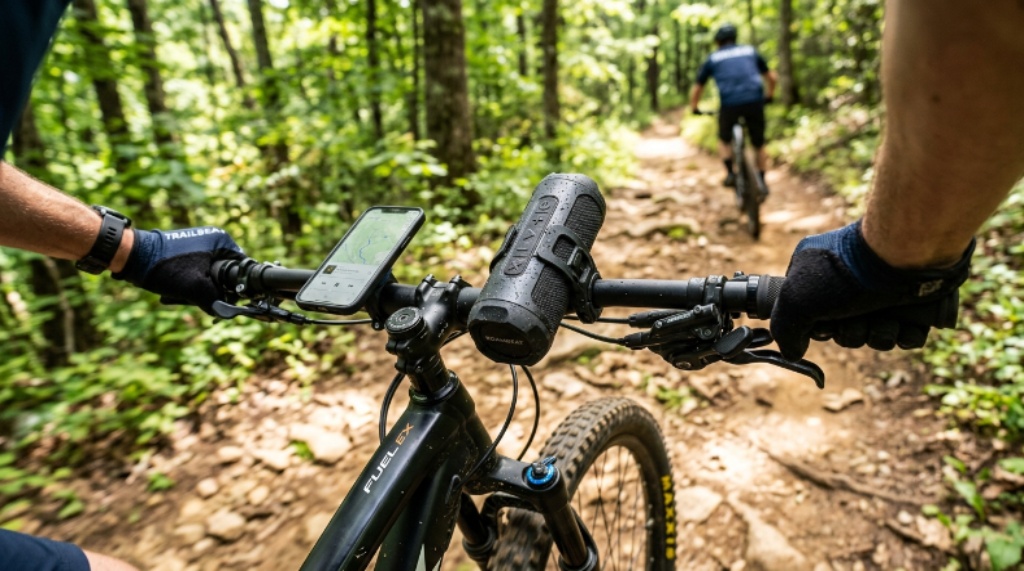
Cycling is one of the most freeing activities a person can enjoy. The open road, fresh air, and the rhythm of your pedaling create an experience unlike any other. However, many riders feel that music or podcasts make the journey even better. That is where outdoor cycling speakers come in. Choosing the right one is not as simple as grabbing the cheapest option on the shelf. There are several important factors to consider before spending your money. This guide walks you through everything you need to know so you can ride with great sound and full confidence.
Why Cyclists Are Choosing Speakers Over Headphones
For a long time, earbuds and headphones were the go-to choice for cyclists who wanted music on the road. However, the tide is shifting. More and more riders are switching to speakers mounted on their bikes instead.
The reason is simple: safety. Wearing earbuds blocks the sounds around you. You may miss a car horn, a cyclist calling out, or a pedestrian crossing your path. Speakers, on the other hand, let you enjoy your audio while keeping your ears open to the environment. Additionally, many countries and regions have laws that restrict or ban the use of headphones while cycling. A speaker mounted to your handlebars is both a safer and often a legal alternative.
Beyond safety, speakers create a shared experience. If you ride in a group, your companions can enjoy the music too. That changes the entire mood of a group ride.
Key Features to Look for Before You Buy
Not all cycling speakers are built the same. Some are designed for casual use in the park. Others are built to handle rough terrain, rain, and long rides. Knowing which features matter most will help you make a smarter choice.
Sound Quality and Volume
Outdoor environments are loud. Wind, traffic, and road noise all compete with your audio. Therefore, you need a speaker that produces clear, loud sound even at full volume. Look for a speaker with at least ten watts of output power. Anything less may struggle to cut through outdoor noise at higher speeds.
Bass performance also matters. A flat, tinny sound gets tiring over a long ride. Choose a speaker that delivers a balanced tone with enough low-end warmth to make music enjoyable.
Water and Dust Resistance
Weather changes quickly. A clear morning can turn into a drizzle by afternoon. Therefore, water resistance is not optional — it is essential. Look for speakers with an IPX5 rating or higher. This means the speaker can handle water jets from any direction without damage. An IPX7 rating goes further, allowing brief submersion in water.
Dust resistance is equally important, especially for mountain bikers and gravel riders. A speaker that falls apart after a dusty trail ride is not worth buying, no matter how good it sounds.
Battery Life
A dead speaker on a long ride is more frustrating than no speaker at all. Look for a battery life of at least eight hours. Ten hours or more is ideal for all-day adventures. Some portable bike speakers offer USB-C charging, which is convenient since most riders already carry a compatible cable.
Additionally, check how long the speaker takes to charge fully. A speaker that needs six hours to recharge but only lasts four hours on a ride is a poor investment.
Mounting System
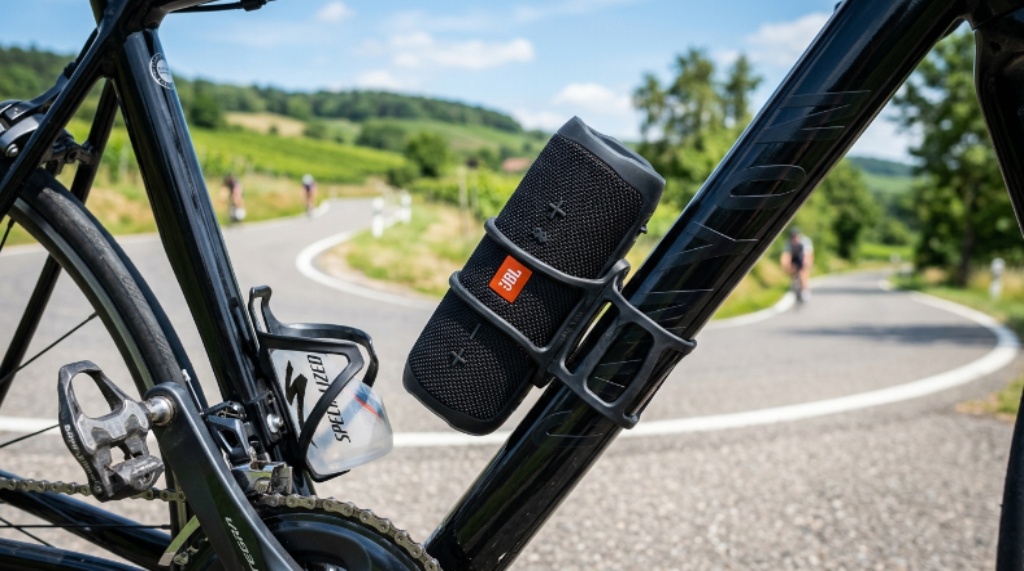
A good speaker needs a secure, stable mount. Handlebar mounts are the most common type. However, some riders prefer frame mounts or strap-based systems. The mount should hold the speaker firmly at any speed, on any terrain. Vibration from rough roads should not shake the speaker loose.
Look for mounts that work with standard handlebar diameters. Also check whether the mount is included in the package or sold separately. Some manufacturers charge extra for what should be a basic accessory.
Bluetooth Range and Connectivity
Most cycling speakers connect via Bluetooth. A reliable connection is essential so your audio does not cut in and out when your phone is in your jersey pocket or bag. Look for Bluetooth 5.0 or higher. This version offers a stronger, more stable connection over a longer range.
Some speakers also include NFC pairing, which allows you to connect by simply tapping your phone to the speaker. This is a small convenience that saves time on the road.
The Importance of Size and Weight on a Bike
Cyclists are often very conscious of weight. Every extra gram on a bike is a gram you carry up every hill. Therefore, size and weight are practical concerns when choosing a speaker.
Compact, travel-friendly audio devices designed for cycling tend to weigh between two hundred and four hundred grams. That range gives you solid sound without adding meaningful drag to your ride. Anything heavier starts to affect how the bike handles, particularly on tight corners.
Size also affects aerodynamics. A large, boxy speaker creates wind resistance. A slim, cylindrical design is far more aerodynamic and less likely to catch the wind at speed.
Waterproofing Ratings Explained Simply
Many buyers see IPX ratings on product listings and feel confused. Understanding these ratings takes the guesswork out of choosing a speaker.
Here is a simple breakdown:
- IPX4: Resistant to water splashes from any direction. Suitable for light rain.
- IPX5: Resistant to low-pressure water jets. Good for moderate rain and puddle splashes.
- IPX6: Resistant to high-pressure water jets. Suitable for heavy downpours.
- IPX7: Can be submerged in up to one meter of water for thirty minutes.
For most road cyclists, IPX5 is sufficient. Mountain bikers and adventure cyclists should aim for IPX6 or IPX7 to handle creek crossings and heavy mud.
Safety Considerations Every Rider Should Understand
Riding with music requires responsibility. Even with a speaker instead of headphones, you must stay aware of your surroundings. Keep the volume at a level that lets you hear traffic and other hazards clearly.
Additionally, consider the people around you. Playing loud music in quiet neighborhoods or on shared trails can disturb others. A responsible rider adjusts the volume based on the environment.
Some speakers include a built-in microphone for hands-free calls. This feature is useful but should be used with caution. Taking a call while cycling can be just as distracting as using a phone. Pull over when you need to have a conversation that requires your attention.
How to Get the Best Value for Your Budget
Cycling speakers range from under twenty dollars to over two hundred dollars. Price does not always equal quality, but extremely cheap options often cut corners on durability, sound, or waterproofing.
A mid-range budget of fifty to one hundred dollars gives you access to some excellent options. In this range, you can find travel-friendly audio devices with solid Bluetooth connectivity, good battery life, and genuine weather resistance. Spending more gets you premium materials, better sound engineering, and longer warranties.
However, always read real user reviews before buying. Lab specifications only tell part of the story. Riders who have used a speaker in real conditions give you a much more accurate picture of how it performs.
Conclusion
Choosing the right outdoor cycling speaker improves every ride. Sound quality, water resistance, battery life, and a reliable mount are the most important factors to evaluate. Safety should always come first, so keep the volume at a sensible level and stay alert to what is happening around you.
Portable bike speakers have come a long way in recent years. Today, you can find compact, durable, and great-sounding options at almost every price point. Therefore, there is no reason to settle for a poor product. Take the time to read reviews, compare specifications, and match the speaker to your specific riding style. Whether you ride paved roads, mountain trails, or city streets, the right speaker will make every kilometer more enjoyable.
Frequently Asked Questions
Are cycling speakers safe to use on public roads?
Yes, in most places they are legal and safer than earbuds. However, always check local laws. Keep the volume at a level that allows you to hear traffic, pedestrians, and other road hazards clearly.
What IPX rating do I need for a cycling speaker?
For road cycling in light to moderate rain, IPX5 is sufficient. Mountain bikers and riders in heavy rain or wet conditions should look for IPX6 or IPX7 for full protection.
How long should a cycling speaker battery last?
Aim for at least eight hours of playback time. Ten or more hours is ideal for long-distance or all-day rides. Always check the charging time as well to make sure it fits your routine.
Can I use a cycling speaker for phone calls while riding?
Technically yes, as many speakers have built-in microphones. However, it is safer to pull over before taking a call. Staying focused on the road is always the priority.
What is the best Bluetooth version for a cycling speaker?
Bluetooth 5.0 or higher is recommended. It offers a stronger, more stable connection over longer distances, which reduces audio dropouts when your phone is stored in a bag or pocket.