
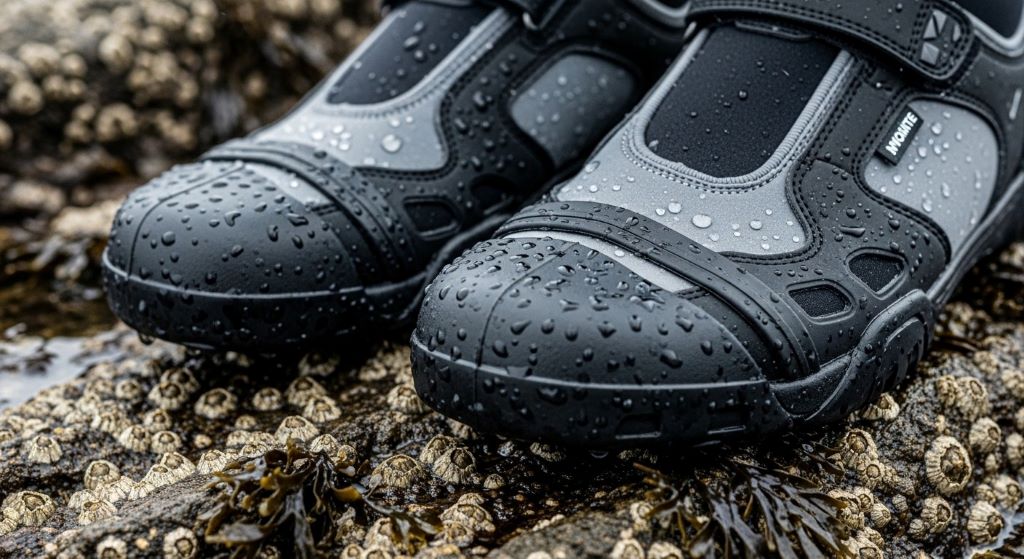
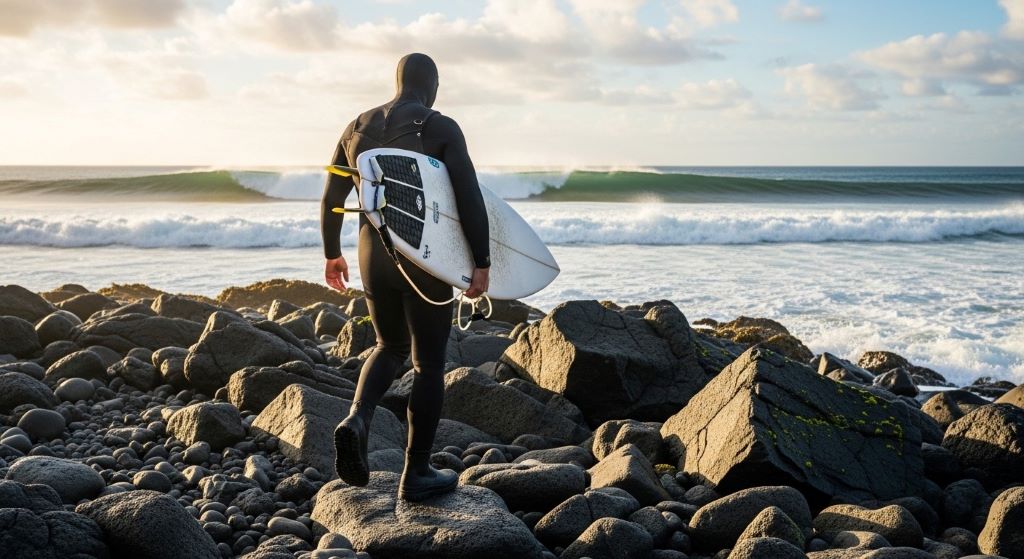
Surfing demands equipment that can handle relentless waves, sharp rocks, and abrasive sand. Your footwear is no exception. Choosing the right surf shoes means finding a balance between protection, comfort, and longevity. Whether you’re navigating rocky coastlines or volcanic reefs, understanding what makes surf footwear truly durable can save you money and keep your feet safe.
Many surfers overlook the importance of quality footwear until they experience cuts, blisters, or premature shoe deterioration. However, investing in the right pair from the start prevents these issues and enhances your overall surfing experience. This guide will walk you through everything you need to know about selecting surf shoes that truly last.
Understanding Why Durability Matters in Surf Footwear
Surf environments are incredibly harsh on footwear. Constant exposure to saltwater, UV rays, and physical abrasion from rocks and coral creates the perfect storm for rapid deterioration. Cheap or poorly constructed shoes might seem like a bargain initially, but they often fail within weeks of regular use.
Additionally, unreliable footwear can compromise your safety. A torn sole on a reef break or a separated seam while navigating sharp rocks can lead to serious injuries. Therefore, durability isn’t just about saving money; it’s about protecting yourself in challenging conditions.
Quality surf footwear also performs better over time. Well-constructed shoes maintain their grip, flexibility, and comfort even after months of use. This consistency helps you focus on your surfing rather than worrying about equipment failure.
Key Materials That Ensure Long-Lasting Performance
The foundation of any durable surf shoe lies in its materials. Understanding which fabrics and components withstand harsh conditions helps you make informed choices.
Neoprene and Its Alternatives
Neoprene remains the most popular material for surf footwear due to its flexibility, insulation, and water resistance. High-quality neoprene maintains its elasticity even after repeated exposure to saltwater and sun. Look for shoes with thicker neoprene in high-stress areas, particularly around the ankle and heel.
However, some manufacturers now use alternative materials like limestone-based neoprene or recycled fabrics. These eco-friendly options can match or exceed traditional neoprene’s durability while reducing environmental impact. The key is ensuring whatever material you choose has proven resistance to degradation from saltwater and UV exposure.
Rubber Compounds and Sole Construction
The sole is arguably the most critical component for durability. Premium rubber compounds resist tearing and maintain grip even as they wear down. Some manufacturers use proprietary rubber blends specifically designed for marine environments.
Furthermore, the thickness of the sole matters significantly. Thinner soles offer better board feel but wear out faster. Conversely, thicker soles provide more protection and longevity but may reduce sensitivity. Finding the right balance depends on your surfing style and the conditions you frequent.
Reinforcement in Critical Areas
Long-lasting surf footwear incorporates strategic reinforcements where wear occurs most rapidly. These include toe caps, heel counters, and seam overlays. Double or triple stitching in stress points prevents premature failure and extends the shoe’s usable life.
Essential Features for Harsh Surf Conditions
Beyond materials, specific design features separate mediocre surf shoes from exceptional ones. These elements work together to create footwear that handles whatever the ocean throws at you.
Toe Protection and Cap Design
Your toes take constant punishment while surfing, especially in reef or rock environments. Reinforced toe surf shoes feature extra layers of rubber or protective caps that shield against impacts and abrasion. Some designs include rigid toe boxes that deflect sharp objects while maintaining flexibility for movement.
The best toe protection integrates seamlessly with the rest of the shoe rather than creating stiff, uncomfortable spots. Look for graduated reinforcement that transitions smoothly from the protected area to the flexible upper.
Ankle Support and Security
Loose-fitting shoes can cause blisters and reduce protection. Quality surf footwear includes secure ankle closures, typically using adjustable straps, zippers, or elastic cuffs. These features keep shoes firmly in place during wipeouts and prevent water from flushing sand or debris inside.
Additionally, ankle support helps prevent injuries on uneven surfaces. Higher-cut designs provide more stability when scrambling over rocks or walking on slippery boat decks.
Drainage Systems
Water trapped inside surf shoes creates discomfort and promotes deterioration. Effective drainage systems use strategically placed holes or channels that allow water to escape quickly without letting debris enter. These systems also reduce weight and improve drying time between sessions.
Choosing Between Different Surf Footwear Styles
Not all surf footwear serves the same purpose. Understanding the distinctions between styles helps you select the right option for your specific needs.
Reef Booties for Maximum Protection
Heavy-duty surf boots represent the pinnacle of protection for serious conditions. These boots typically extend above the ankle and feature thick soles, comprehensive toe guards, and robust construction throughout. They’re ideal for reef breaks, rocky shorelines, and cold water environments.
While heavier than alternatives, these boots excel in extreme conditions where injury risk is highest. Many professional surfers rely on them for big wave surfing or remote reef exploration.
Low-Cut Shoes for Flexibility
Lower-profile surf shoes prioritize flexibility and board feel over maximum protection. They work well for sandy beaches, mild reef breaks, or situations where you need to move quickly between water and land.
These shoes typically use thinner materials and lighter construction, making them less durable than full boots. However, they’re often more comfortable for all-day wear and easier to pack for travel.
Split-Toe Designs for Board Feel
Some surf shoes incorporate split-toe designs that enhance grip and board sensitivity. While this style offers excellent performance, the additional seams can create potential weak points. Look for reinforced stitching and sealed seams if you prefer this design.
Evaluating Construction Quality
Even shoes made from premium materials will fail quickly if poorly constructed. Knowing what to look for helps you identify truly durable options.
Seam Types and Waterproofing
Flatlock seams create smooth, comfortable joins but may allow water penetration. Blind-stitched and glued seams provide better waterproofing and durability. The best surf shoes often combine both techniques, using flatlock stitching where comfort matters and sealed seams where water resistance is critical.
Additionally, check for reinforced seams in high-stress areas. Double or triple stitching with strong thread prevents separation even after months of use.
Glue Quality and Bonding
Many surf shoes rely on adhesive to bond rubber soles to uppers. Industrial-grade, marine-specific glues resist degradation from saltwater and temperature changes. Cheap adhesives fail quickly, causing soles to separate or edges to peel.
You can sometimes assess glue quality by examining sample shoes. Well-bonded edges show no gaps or irregularities, and the bond should feel solid when you flex the shoe.
Hardware Durability
Zippers, straps, and adjustment systems must withstand constant saltwater exposure. Corrosion-resistant materials like heavy-duty plastic, stainless steel, or specialized marine hardware ensure these components don’t become weak points.
Furthermore, hardware should integrate smoothly without creating pressure points or catching on wetsuits. The best designs place closures where they’re protected from direct wave impact.
Brand Reputation and Warranty Considerations
Established surf brands have refined their designs through years of athlete feedback and real-world testing. While lesser-known brands may offer cheaper options, proven manufacturers typically deliver more reliable durability.
Research customer reviews focusing specifically on longevity. How long do shoes typically last with regular use? Do they fail in predictable ways? Are there common complaints about specific models?
Additionally, consider warranty coverage. Brands confident in their durability often provide generous warranties covering defects and premature failure. This protection gives you recourse if your shoes don’t perform as expected.
Proper Sizing for Longevity
Ill-fitting shoes wear out faster and cause discomfort. Surf footwear should fit snugly without restricting circulation or movement. Too-loose shoes create friction and excess stress on materials, while too-tight shoes stretch and degrade faster.
Remember that neoprene shoes often feel tight when dry but expand slightly when wet. Try them on with the same thickness of wetsuit socks you’ll wear while surfing. Walk around and simulate surfing movements to ensure comfortable fit throughout your range of motion.
Maintenance Practices That Extend Lifespan
Even the most durable surf shoes require proper care to reach their full potential lifespan. Simple maintenance habits significantly impact longevity.
Post-Session Rinsing
Saltwater accelerates material degradation and hardware corrosion. Rinse your shoes thoroughly with fresh water after every session, paying special attention to zippers, straps, and drainage holes. This simple step removes salt crystals and prevents buildup that causes premature wear.
Proper Drying Techniques
Never leave surf shoes in direct sunlight or hot cars. UV exposure and heat break down neoprene and rubber compounds. Instead, dry shoes in a shaded, well-ventilated area. Stuffing them with newspaper or using shoe trees helps maintain shape and speeds drying.
Storage Considerations
Store surf shoes in cool, dry places away from direct sunlight. Avoid folding or creasing them unnaturally, as this weakens materials and creates permanent damage points. Some surfers hang their shoes by straps to maintain shape and promote air circulation.
When to Repair Versus Replace
Understanding when shoes can be repaired extends their useful life and saves money. Small tears in neoprene can often be patched with neoprene cement. Separated seams may be re-stitched or re-glued if caught early.
However, certain damage signals it’s time for replacement. Severely worn soles that no longer provide adequate grip or protection represent safety hazards. Extensive material degradation, multiple failure points, or loss of structural integrity mean the shoes have reached the end of their service life.
Budget Considerations and Value Assessment
Quality surf footwear requires upfront investment, but calculating cost per use reveals the true value. A pair of heavy-duty surf boots lasting three years with regular use costs significantly less per session than cheap shoes replaced every few months.
Moreover, the safety benefits and improved performance justify premium pricing. Avoiding injuries and enjoying better grip and comfort enhances your surfing experience in ways that transcend simple dollar calculations.
Consider purchasing during off-season sales or watching for previous season models at discounted prices. Many retailers offer significant savings on last year’s designs that offer identical durability to current releases.
Environmental Considerations
The surf industry increasingly recognizes its environmental impact. Several manufacturers now produce durable surf footwear using recycled materials, natural rubber, and sustainable production methods. These options often match or exceed conventional materials in performance while reducing ecological footprint.
Additionally, choosing durable shoes over disposable options inherently reduces waste. One pair lasting several years generates less environmental impact than multiple cheap pairs in the same timeframe.
Testing Shoes Before Commitment
Whenever possible, test surf shoes in real conditions before full commitment. Some surf shops offer trial periods or satisfaction guarantees. Take advantage of these policies to verify performance, comfort, and fit in actual surfing situations.
If testing isn’t available, start with one pair rather than buying multiples upfront. This approach lets you evaluate real-world durability before investing in backup pairs or recommending the model to friends.
Conclusion
Selecting durable surf shoes requires balancing multiple factors including materials, construction quality, protection level, and intended use conditions. Long-lasting surf footwear features premium neoprene or alternative materials, robust sole construction, and strategic reinforcements in high-wear areas. Reinforced toe surf shoes provide essential protection for reef and rock environments, while heavy-duty surf boots offer maximum durability for extreme conditions.
Pay attention to seam quality, hardware durability, and brand reputation when making your choice. Proper sizing ensures comfort and prevents premature wear, while diligent maintenance significantly extends lifespan. Although quality surf footwear requires higher initial investment, the combination of safety, performance, and longevity delivers exceptional value.
By understanding what makes surf shoes truly durable and choosing wisely based on your specific needs, you’ll enjoy years of reliable protection and performance. Your feet will thank you, and you’ll spend more time surfing and less time shopping for replacement footwear.
Frequently Asked Questions
How long should quality surf shoes last with regular use?
With proper care and maintenance, quality surf shoes typically last between one to three years of regular use. The exact lifespan depends on frequency of use, surf conditions, and how well you maintain them. Surfers who rinse their shoes after each session and store them properly often see the upper end of this range, while those surfing harsh reef breaks daily may need replacements sooner.
Can I use regular water shoes for surfing instead of specialized surf footwear?
While regular water shoes work for calm, sandy conditions, they lack the durability and protection needed for serious surfing. Surf-specific footwear uses materials and construction designed for wave impact, saltwater exposure, and abrasive surfaces. Regular water shoes typically have thinner soles, weaker seams, and materials that deteriorate rapidly in surf conditions.
Should surf shoes feel tight when I first try them on?
Surf shoes should fit snugly but not uncomfortably tight when dry. Neoprene expands slightly when wet, so a shoe that feels perfectly comfortable dry may become loose in the water. You should be able to wiggle your toes and flex your foot without restriction, but the shoe shouldn’t slide around your heel or ankle.
How do I know when my surf shoes need replacing?
Replace surf shoes when the sole shows significant wear that reduces grip or protection, when seams separate extensively, or when materials become brittle or torn. If you notice decreased performance, water flooding into the shoe, or discomfort from structural breakdown, it’s time for new footwear. Safety should always take priority over extending use beyond appropriate limits.
Are expensive surf shoes worth the extra cost?
Premium surf shoes generally offer better materials, construction quality, and durability than budget options. While the upfront cost is higher, they often last significantly longer and provide better protection and performance. Calculate the cost per use rather than just purchase price. A pair of quality shoes lasting three years costs less per session than cheap shoes replaced every six months.
Related Topics:
Difference Between ‘Alaia’ and ‘Paipo’ Boards
What Is the “Creak of Death” on a Bike?