

Modern aquarium keeping has evolved beyond simple visual observation into sophisticated monitoring systems that ensure optimal aquatic environments. Advanced monitoring techniques combine traditional testing methods with cutting-edge technology to track water parameters, fish behavior, and system performance. These comprehensive approaches prevent problems before they threaten aquatic life. Be Aquarium provides expert guidance for aquarists looking to implement professional-grade monitoring systems that maintain stable, healthy aquatic environments.
Successful aquarium management requires constant vigilance and precise data collection. Water chemistry fluctuates daily due to biological processes, feeding schedules, and external factors. Additionally, fish health depends on multiple interconnected variables that traditional testing methods might miss. Therefore, advanced monitoring techniques provide the comprehensive oversight necessary for thriving aquatic ecosystems.
Understanding how to monitor an aquarium effectively involves multiple layers of observation and measurement. These techniques range from automated sensors and data logging systems to behavioral analysis and preventive maintenance protocols. However, success depends on selecting appropriate methods for specific aquarium types and inhabitant requirements.
Essential Parameters for Advanced Monitoring
Water Chemistry Fundamentals
Temperature monitoring forms the foundation of aquarium oversight, as thermal fluctuations affect all biological processes. Digital thermometers with continuous logging capabilities track temperature variations throughout day and night cycles. Additionally, temperature alerts prevent catastrophic heating or cooling system failures that could eliminate entire aquatic populations.
pH levels require constant attention since they directly impact fish metabolism and beneficial bacteria function. Advanced pH monitors provide real-time readings with historical data tracking. However, pH naturally fluctuates throughout photoperiods, making trend analysis more valuable than single-point measurements.
Dissolved oxygen levels determine carrying capacity and fish health in aquatic systems. Electronic dissolved oxygen meters provide precise measurements that reveal system performance and biological load impacts. Therefore, oxygen monitoring helps optimize stocking density and filtration system efficiency.
Advanced Chemical Analysis
Ammonia, nitrite, and nitrate testing requires precision instruments for accurate results. Photometric test kits provide laboratory-quality measurements that reveal subtle changes before they become dangerous. Additionally, these advanced testing methods eliminate human error and color interpretation variations common with basic test strips.
Phosphate monitoring prevents algae blooms and maintains water clarity in planted aquariums. High-precision phosphate meters detect trace levels that standard tests miss. However, phosphate management requires understanding plant nutrient uptake and biological filtration processes.
Alkalinity and general hardness measurements ensure stable pH buffering capacity and proper mineral content. Advanced test kits measure carbonate hardness with precision necessary for sensitive species and breeding programs. Therefore, comprehensive mineral analysis supports both fish health and aquarium stability.
Digital Monitoring Systems and Technology
Automated Sensor Networks
Modern aquarium controllers integrate multiple sensors into comprehensive monitoring networks. These systems track temperature, pH, conductivity, and dissolved oxygen simultaneously while logging data for trend analysis. Additionally, smartphone connectivity allows remote monitoring and alert notifications for critical parameter changes.
Wireless sensor networks eliminate cable clutter while providing flexibility for sensor placement throughout aquarium systems. Battery-powered sensors can monitor remote sumps, quarantine tanks, and breeding systems. However, regular calibration and maintenance ensure continued accuracy and reliability.
Cloud-based data storage preserves historical information and enables advanced analytics. Machine learning algorithms can identify patterns and predict potential problems before they occur. Therefore, digital systems transform reactive aquarium maintenance into proactive management strategies.
Smart Device Integration
Smartphone applications provide intuitive interfaces for monitoring complex aquarium systems. These apps display real-time data, historical trends, and maintenance schedules in user-friendly formats. Additionally, push notifications alert aquarists to critical situations requiring immediate attention.
Voice control integration allows hands-free monitoring during maintenance activities. Smart speakers can announce current parameters or system status without requiring visual displays. However, privacy considerations and network security become important factors with connected devices.
Automated dosing systems respond to sensor feedback by adjusting chemical additions and corrections. These systems maintain stable parameters through precise micro-dosing rather than manual corrections. Therefore, automation reduces human error while maintaining optimal water conditions continuously.
Behavioral Monitoring and Fish Health Assessment
Visual Observation Techniques
Systematic behavioral observation reveals health problems before laboratory tests detect chemical changes. Fish feeding responses, swimming patterns, and social interactions indicate overall aquarium health. Additionally, experienced aquarists develop pattern recognition skills that identify subtle changes indicating developing problems.
Feeding response monitoring provides early warning signs of water quality issues or disease outbreaks. Healthy fish demonstrate predictable feeding behaviors that change when stress or illness occurs. However, individual fish personalities require consideration when establishing baseline behavioral patterns.
Breathing rate observation detects respiratory stress caused by poor water quality or disease. Normal gill movement patterns vary by species but remain consistent for healthy individuals. Therefore, respiratory monitoring complements water quality testing in comprehensive health assessment protocols.
Photography and Documentation
Digital photography creates permanent records of fish appearance and aquarium conditions over time. Systematic photo documentation reveals gradual changes that daily observation might miss. Additionally, photos provide valuable references for veterinary consultations and treatment planning.
Time-lapse photography captures behavioral patterns and environmental changes throughout daily cycles. These recordings reveal nocturnal activities and identify optimal timing for maintenance procedures. However, lighting considerations ensure photo quality without disrupting natural fish behaviors.
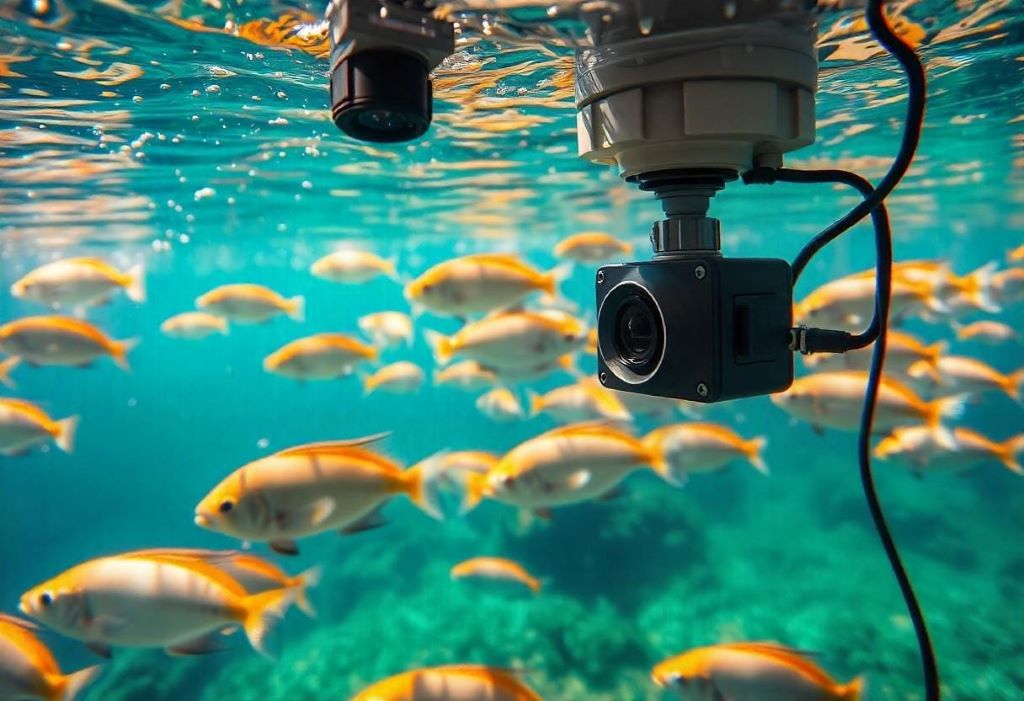
Video monitoring systems enable continuous observation without constant human presence. Motion-activated recording captures unusual events and provides security monitoring for valuable aquarium installations. Therefore, video documentation supplements direct observation with objective behavioral records.
Water Quality Testing Protocols
Systematic Testing Schedules
Daily testing protocols focus on critical parameters that change rapidly in aquarium environments. Temperature, pH, and dissolved oxygen require daily monitoring in sensitive systems or during critical periods. Additionally, consistent testing times eliminate diurnal variation effects on measurement accuracy.
Weekly comprehensive testing includes ammonia, nitrite, nitrate, and phosphate measurements that reveal filtration system performance. These parameters change more slowly but indicate important trends in biological processes. However, increased testing frequency during system changes or fish health concerns provides additional safety margins.
Monthly trace element analysis ensures proper mineral balance for plant growth and fish health. Specialized test kits measure iron, potassium, and other micronutrients that standard tests ignore. Therefore, comprehensive mineral monitoring supports advanced planted aquarium systems and sensitive species requirements.
Quality Control and Calibration
Regular calibration of electronic instruments ensures measurement accuracy over time. Calibration solutions with known values verify instrument performance and identify drift or malfunction. Additionally, calibration records document instrument reliability and support troubleshooting efforts.
Control samples provide verification that testing procedures produce consistent results. Known standard solutions tested alongside regular samples identify procedural errors or reagent degradation. However, control testing requires additional time and materials but ensures data reliability.
Cross-verification using multiple testing methods confirms critical measurements and identifies systematic errors. Independent testing methods reduce reliance on single instruments or procedures. Therefore, redundant testing provides confidence in critical decisions affecting aquatic life.
Environmental Monitoring Beyond Water Parameters
Lighting Analysis and Management
Light intensity monitoring ensures adequate illumination for plant photosynthesis and fish behavior. PAR meters measure photosynthetically active radiation that directly affects plant growth. Additionally, light spectrum analysis optimizes LED fixtures for specific aquarium requirements.
Photoperiod control systems provide consistent lighting schedules that support natural biological rhythms. Automated timers eliminate human error in lighting management while supporting gradual sunrise and sunset transitions. However, seasonal adjustments may benefit some species and breeding programs.
Light penetration measurements throughout aquarium depth ensure adequate illumination for all inhabitants. Dense plantings and hardscape elements create shadow zones that affect plant growth. Therefore, comprehensive lighting analysis supports optimal aquarium design and plant selection.
Flow and Circulation Assessment
Water flow measurement identifies dead zones where debris accumulates and beneficial bacteria populations decline. Flow meters quantify circulation rates through different aquarium areas. Additionally, flow pattern analysis optimizes pump placement and aquascape design for maximum efficiency.
Current strength affects fish behavior and plant growth throughout aquarium systems. Some species require gentle currents while others prefer stronger water movement. However, excessive flow can stress fish and damage delicate plants.
Filtration efficiency depends on proper water circulation that delivers waste to biological and mechanical filters. Poor circulation reduces filtration effectiveness despite adequate equipment capacity. Therefore, flow monitoring ensures filtration systems operate at maximum efficiency.
Data Analysis and Trend Recognition
Historical Data Interpretation
Long-term parameter trends reveal seasonal variations and system maturation effects that short-term measurements miss. Graphical analysis identifies gradual changes that require adjustment before they become problematic. Additionally, historical data supports decision-making for equipment upgrades and system modifications.
Statistical analysis of water parameter data identifies normal variation ranges and detects abnormal fluctuations requiring investigation. Standard deviation calculations establish acceptable parameter ranges for stable systems. However, biological systems naturally vary, making trend analysis more valuable than absolute values.
Correlation analysis between different parameters reveals system interactions and cause-effect relationships. Understanding these connections improves troubleshooting efficiency and preventive maintenance planning. Therefore, comprehensive data analysis transforms monitoring information into actionable management strategies.
Predictive Maintenance Scheduling
Equipment performance monitoring predicts maintenance requirements before failures occur. Pump flow rates, heater performance, and filter efficiency measurements identify declining performance trends. Additionally, predictive maintenance reduces system downtime and prevents emergency situations.
Biological filter performance tracking through ammonia and nitrite measurements indicates bacterial population health and capacity limitations. Declining biological filtration efficiency signals need for media cleaning or replacement. However, biological systems require careful maintenance to preserve beneficial bacterial populations.
According to research published by the Journal of Aquaculture Research and Development, systematic monitoring and data analysis significantly improve aquarium success rates and reduce fish mortality in both commercial and hobbyist applications.
Automation and Smart Aquarium Management
Automated Response Systems
Intelligent controllers respond to sensor feedback with predetermined actions that maintain stable conditions. Automated heater control prevents temperature fluctuations while dosing systems maintain chemical balance. Additionally, these systems operate continuously without human intervention or oversight.
Emergency shutdown protocols protect aquarium inhabitants during equipment failures or dangerous parameter excursions. Automated systems can shut down problematic equipment and activate backup systems faster than human response times. However, manual override capabilities remain essential for system maintenance and troubleshooting.
Adaptive control algorithms learn system patterns and optimize responses over time. Machine learning capabilities improve automation performance through experience with specific aquarium characteristics. Therefore, smart systems become more effective and efficient with continued operation.
Remote Management Capabilities
Internet connectivity enables monitoring and control from distant locations through secure connections. Cloud-based systems provide access from smartphones, tablets, and computers worldwide. Additionally, remote capabilities support vacation management and emergency response from any location.
Alert systems notify aquarists of critical situations through multiple communication channels. Email, text messages, and push notifications ensure important alerts reach responsible parties quickly. However, reliable internet connections and backup communication methods prevent notification failures.
Remote dosing and equipment control allow immediate response to parameter changes without physical presence. Emergency corrections can prevent catastrophic losses during travel or extended absences. Therefore, remote management capabilities provide peace of mind for serious aquarists.
Troubleshooting and Problem Resolution
Systematic Problem Identification
Methodical troubleshooting protocols isolate problems quickly and prevent misdiagnosis that could worsen situations. Step-by-step procedures eliminate variables systematically until root causes become apparent. Additionally, documentation of troubleshooting steps provides learning opportunities and reference materials.
Parameter correlation analysis identifies relationships between symptoms and underlying causes. Understanding these connections improves diagnostic accuracy and treatment effectiveness. However, complex aquarium systems often present multiple concurrent problems requiring comprehensive analysis.
Equipment testing procedures verify proper function and identify failure modes before they cause system-wide problems. Regular testing schedules catch intermittent problems that might otherwise go unnoticed. Therefore, proactive equipment monitoring prevents many emergency situations.
Emergency Response Protocols
Rapid response procedures minimize damage during critical situations like power failures, equipment malfunctions, or parameter crashes. Pre-planned actions reduce decision-making delays during stressful emergency conditions. Additionally, emergency supply kits provide necessary materials for immediate response.
Water change procedures provide emergency parameter correction when automated systems fail or prove insufficient. Rapid water changes can quickly dilute toxins and restore acceptable conditions. However, large water changes create additional stress requiring careful management.
According to the Smithsonian National Zoo, professional aquarium facilities rely on comprehensive monitoring systems and emergency protocols to maintain healthy aquatic collections and prevent losses.
Cost-Benefit Analysis of Monitoring Systems
Investment Considerations
Advanced monitoring equipment requires significant initial investment but provides long-term cost savings through improved success rates and reduced losses. High-quality sensors and controllers cost more initially but offer better accuracy and reliability. Additionally, automated systems reduce time requirements for routine monitoring and maintenance.
Scalable systems allow gradual expansion as experience and requirements grow. Starting with basic monitoring and adding advanced features over time spreads costs while building expertise. However, integrated systems often prove more cost-effective than piecemeal additions.
Professional-grade equipment offers features and reliability that justify higher costs for serious aquarists and commercial applications. Hobbyist-level equipment provides adequate monitoring for less demanding applications at lower costs. Therefore, matching equipment capabilities to actual requirements optimizes cost-effectiveness.
Return on Investment
Reduced fish mortality and improved breeding success provide tangible returns on monitoring system investments. Early problem detection prevents losses that often exceed equipment costs significantly. Additionally, stable conditions improve fish health and reduce veterinary expenses.
Time savings from automated monitoring allow focus on more productive aquarium activities like aquascaping and fish breeding. Efficient monitoring reduces daily maintenance time while improving results. However, initial setup and learning periods require significant time investments.
Increased aquarium enjoyment and reduced stress provide intangible benefits that justify monitoring system costs for many aquarists. Peace of mind during travel and confidence in system stability enhance the aquarium keeping experience. Therefore, personal satisfaction often provides the primary return on monitoring investments.
Conclusion
Advanced aquarium monitoring techniques combine traditional observation skills with modern technology to create comprehensive oversight systems that ensure optimal aquatic environments. These sophisticated approaches prevent problems through early detection and automated responses that maintain stable conditions continuously. Additionally, data analysis and trend recognition transform monitoring information into actionable management strategies.
Success requires selecting appropriate monitoring methods based on specific aquarium requirements, inhabitant needs, and personal capabilities. From basic parameter testing to fully automated smart systems, options exist for every application and budget level. However, consistent implementation and proper maintenance remain essential regardless of system complexity.
Key benefits include improved fish health, reduced losses, time savings, and enhanced aquarium enjoyment through increased confidence and reduced stress. Advanced monitoring represents an investment in aquarium success that pays dividends through better outcomes and greater satisfaction. Therefore, implementing appropriate monitoring techniques should be a priority for all serious aquarists.
Frequently Asked Questions
What are the most important parameters to monitor in a freshwater aquarium? Temperature, pH, ammonia, nitrite, and nitrate form the essential monitoring foundation. Additionally, dissolved oxygen and phosphate levels require attention in planted or heavily stocked systems. However, specific requirements vary based on fish species and aquarium type.
How often should I test my aquarium water parameters? Daily testing of temperature and pH provides basic oversight, while weekly comprehensive testing including nitrogen compounds ensures system stability. However, new or unstable systems require more frequent testing until conditions stabilize.
Are expensive digital monitoring systems worth the investment? Digital systems provide accuracy, convenience, and continuous monitoring that justify costs for serious aquarists or valuable fish collections. However, basic test kits remain adequate for simple systems with hardy fish species. Therefore, match investment to actual needs and system value.
Can I monitor my aquarium remotely while traveling? Modern smart aquarium controllers offer internet connectivity and smartphone apps for remote monitoring and control. These systems provide alerts and allow emergency responses from distant locations. Additionally, backup communication methods ensure reliability during internet outages.
What should I do if my monitoring equipment shows dangerous readings? Immediate water changes provide emergency parameter correction while you investigate underlying causes. Additionally, verify readings with secondary testing methods before taking drastic actions. However, fish safety should always take priority over equipment or convenience considerations.
Read more:
Aquarium Heating and Cooling: Maintaining the Perfect Temperature