
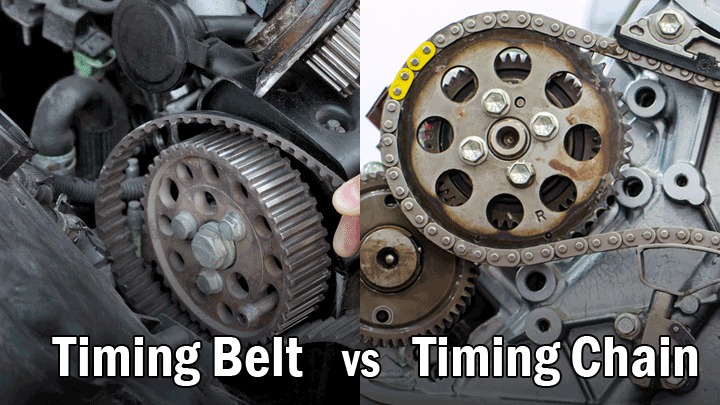
Engines are intricate machines, and one of their most crucial components is the timing system. Whether your car uses a timing chain or a timing belt, both serve the same purpose: synchronizing the crankshaft and camshaft to ensure smooth engine operation. However, they differ in material, lifespan, maintenance requirements, and replacement costs.
If you’ve ever wondered when to replace timing chain vs. timing belt, this guide will provide you with expert insights to make an informed decision. Before diving deep, you can also explore Auto Nags for more automotive insights, repair guides, and expert tips on vehicle maintenance.
How Timing Chains and Timing Belts Work

Both timing chains and timing belts play a crucial role in ensuring that engine valves open and close at precise intervals. This synchronization is vital for combustion, fuel efficiency, and engine longevity. However, the two components have fundamental differences:
- Timing Chains are made of metal and operate similarly to a bicycle chain. They are lubricated by engine oil and tend to last much longer than belts.
- Timing Belts are made of reinforced rubber with teeth that fit into grooves on the crankshaft and camshaft gears. They require periodic replacement due to wear and degradation.
Understanding these differences is essential in determining the right time for a replacement. For more automotive insights, including why vintage cars are expensive, check out https://www.autonags.com/car/why-are-vintage-cars-so-expensive/.
Signs That Your Timing Belt Needs Replacement
Timing belts generally last between 60,000 to 100,000 miles, depending on the manufacturer’s recommendations. However, there are warning signs that indicate it may be time for a replacement:
- Ticking noise from the engine: A worn timing belt may start making a rapid ticking or clicking sound.
- Engine misfires: If the belt slips or jumps a tooth, engine timing becomes off, leading to misfires and poor performance.
- Visible wear and tear: Cracks, fraying, or missing teeth on the belt mean it’s time for a replacement.
- Difficulty starting the engine: A failing belt can affect engine timing, making ignition inconsistent.
- Oil leaks near the timing cover: A failing belt can cause leaks from worn-out seals.
Ignoring these signs can lead to a catastrophic engine failure, requiring costly repairs.
When to Replace a Timing Chain
Unlike timing belts, timing chains are designed to last the lifetime of the vehicle, often exceeding 200,000 miles. However, they are not immune to wear. Symptoms of a failing timing chain include:
- Rattling noise: A stretched or loose chain can produce a metallic rattling sound, especially during startup.
- Check engine light: Modern vehicles have sensors that detect timing discrepancies and trigger a warning light.
- Engine misfires or performance issues: A worn chain may throw off engine timing, leading to rough idling or hesitation.
- Metal shavings in the oil: Since the timing chain is lubricated by engine oil, wear and tear can produce metal debris, which can be found during an oil change.
If a timing chain fails, it can cause severe engine damage, often requiring a complete engine rebuild or replacement.
Timing Belt vs. Timing Chain Replacement Costs
Replacing a timing belt is generally cheaper than a timing chain, but it must be done more frequently. Here’s a cost breakdown:
| Component | Replacement Cost | Lifespan |
| Timing Belt | $300 – $1,000 | 60,000 – 100,000 miles |
| Timing Chain | $1,000 – $3,000+ | 150,000 – 250,000 miles |
Timing chain replacement is more labor-intensive, often requiring engine disassembly, which increases labor costs.
What Happens If You Don’t Replace Them?
Ignoring a worn timing belt or chain can lead to catastrophic engine damage. If a timing belt snaps, valves and pistons can collide, causing bent valves, broken pistons, or even a cracked engine block. The repair costs can easily exceed $3,000 – $5,000, often making engine replacement the only viable option.
A failing timing chain, while more durable, can also cause significant damage if it skips a tooth or breaks. Unlike belts, chains don’t snap suddenly, but they stretch over time, leading to poor engine timing and reduced efficiency.
Should You Replace the Timing Chain or Belt Yourself?
For DIY enthusiasts, replacing a timing belt is possible but requires mechanical expertise. The process involves:
- Removing accessory belts and covers
- Aligning the timing marks
- Replacing the belt and tensioner
- Reassembling and testing the engine
Timing chain replacement, however, is much more complicated and is best left to professionals due to its involvement with the engine’s internal components.
Timing Chain vs. Timing Belt: Which is Better?
Each has its advantages and drawbacks:
- Timing Belts are quieter, lighter, and cheaper but require more frequent replacements.
- Timing Chains are durable, long-lasting, and maintenance-free but expensive to replace if they fail.
Most modern vehicles use timing chains due to their longevity, but timing belts remain common in older models and economy cars.
Why Do Some Cars Use Timing Belts Instead of Chains?
Some manufacturers prefer timing belts because they:
- Reduce engine weight
- Operate more quietly
- Are less expensive to manufacture
However, the trend is shifting towards timing chains due to their durability.
How to Extend the Life of Your Timing System
To maximize your timing belt or chain’s lifespan:
- Follow manufacturer recommendations for replacement intervals.
- Keep up with oil changes to prevent wear on timing chains.
- Listen for warning signs like unusual noises or performance issues.
- Inspect the belt periodically for cracks or damage.
Final Thoughts
Understanding when to replace timing chain vs. timing belt is essential for maintaining your vehicle’s longevity and performance. While timing chains offer longevity, timing belts require proactive maintenance to prevent costly breakdowns. If you’re unsure about your vehicle’s timing system, consult your owner’s manual or visit a trusted mechanic.
Read More Also: Nail Drill Gun Speed Guide for Different Applications
Frequently Asked Questions
How do I know if my car has a timing belt or chain?
Check your owner’s manual or look under the hood. Timing chains are metal and typically housed inside the engine, while belts are rubber and have an external cover.
Can I replace a timing belt myself?
Yes, but only if you have advanced mechanical skills. It involves precise timing alignment and removing multiple engine components.
Do all new cars have timing chains?
Not all, but many modern vehicles use timing chains due to their durability and reduced maintenance costs.
What happens if a timing belt breaks while driving?
The engine can suffer catastrophic damage, including bent valves and broken pistons, leading to costly repairs.
Is a timing chain replacement worth it?
If your car has a high mileage and the timing chain shows signs of wear, replacing it is crucial to avoid engine failure.
Are timing belts outdated?
Not necessarily. Some manufacturers still use timing belts in smaller, economy vehicles because they are quieter and cheaper to produce.