
Every seasoned angler knows that the best fishing isn’t found in crowded, well-known locations. It’s tucked away in overlooked lakes, remote river bends, and isolated coastlines. These secret spots offer unmatched serenity, abundant catches, and the thrill of discovery. In this guide, we dive into the top 7 hidden fishing spots only locals know about, revealing some of the best-kept secrets in the angling world. These are not just whispers on forums — they’re real gems, verified by local fishermen and time-tested for the patient and persistent.
-
Elk River – Fernie, British Columbia, Canada
Hidden in the heart of the Canadian Rockies, Elk River flows like a forgotten stream painted straight out of a fly-fisher’s dream. The river winds through rugged wilderness and snow-capped peaks, providing stunning views and exceptional trout fishing.
Brown, cutthroat, and bull trout are common, especially in the mid-summer months. Local anglers avoid sharing this spot, fearing it may lose its charm if overrun. According to Fly Fusion Magazine, the Elk River consistently yields some of the largest native cutthroat trout in North America.
The shallow riffles and deep pools demand skill, especially in late fall. However, anglers willing to hike a few miles off the road are rewarded with little competition and plentiful fish.
-
Pyramid Lake – Nevada, USA
Overshadowed by Lake Tahoe just an hour away, Pyramid Lake holds one of the best-kept secrets in the West. It’s home to the Lahontan cutthroat trout, a species once thought extinct. This fish regularly exceeds 20 pounds, making it a trophy catch for serious anglers.
Native Paiute guides often hold the key to this lake’s secrets. Fishing from unique ladder platforms near drop-offs can dramatically increase success rates. According to Field & Stream, winter and early spring offer peak chances for landing giants.
Despite its size and proximity to Reno, the lake remains relatively uncrowded, especially on weekdays. The desert landscape only adds to the otherworldly experience.
-
Devil’s River – Texas, USA
Devil’s River remains one of Texas’ most remote and regulated fishing destinations. To access it legally, anglers must coordinate with private landowners or secure a guided tour — and that exclusivity keeps it pristine.
This river is rich in smallmouth bass, with crystal-clear water and minimal human interference. Local anglers often refer to it as “the last wild river of Texas.”
The Texas Parks and Wildlife Department confirms that the river supports one of the healthiest bass populations in the state. It’s ideal for kayaking trips, but adventurers should prepare for primitive camping and self-sufficiency.
-
Eibsee Lake – Bavaria, Germany
Tucked at the foot of the Zugspitze, Germany’s tallest mountain, Eibsee is a glacial lake many tourists admire — but few fish. This hidden gem remains largely untouched by foreign anglers, even though it’s just 90 minutes from Munich.
Rainbow trout, Arctic char, and lake trout populate its icy depths. Locals fish early mornings with traditional Bavarian float rigs. Tourists often overlook the fishing potential due to the lake’s scenic appeal and recreational nature.
A report by European Angler magazine praises Eibsee’s water clarity and consistent yields. Fall is the ideal time for serious anglers looking to cast lines in absolute tranquility.
-
Lough Corrib – Galway, Ireland
Ireland is no stranger to fishing, but Lough Corrib, the country’s second-largest lake, hides pockets of incredible fishing rarely seen by tourists. Local fly-fishermen treasure it for wild brown trout and massive ferox trout.
Spanning over 40,000 hectares, the lake offers unlimited exploration. Knowledge of the area is essential; local guides provide insight on hatches and wind shifts. The Irish Central Fisheries Board reports annual brown trout catches exceeding 4 kg in spring.
Remote inlets and weed beds hold the largest fish. These locations are rarely marked, relying instead on local lore and years of experience.
-
Ten Mile Creek – West Virginia, USA
West Virginia is known for its rugged beauty, but Ten Mile Creek remains a relatively undiscovered fly-fishing paradise. Locals enjoy its cool waters year-round, especially for native brook and rainbow trout.
The creek winds through Monongahela National Forest and offers deep pockets and fast riffles ideal for dry fly action. According to Trout Unlimited, conservation efforts have improved water quality and fish numbers significantly over the past decade.
Accessibility is challenging. Steep terrain and unmarked trails keep casual tourists away, preserving this gem for dedicated anglers willing to explore.
-
Exmouth Gulf – Western Australia
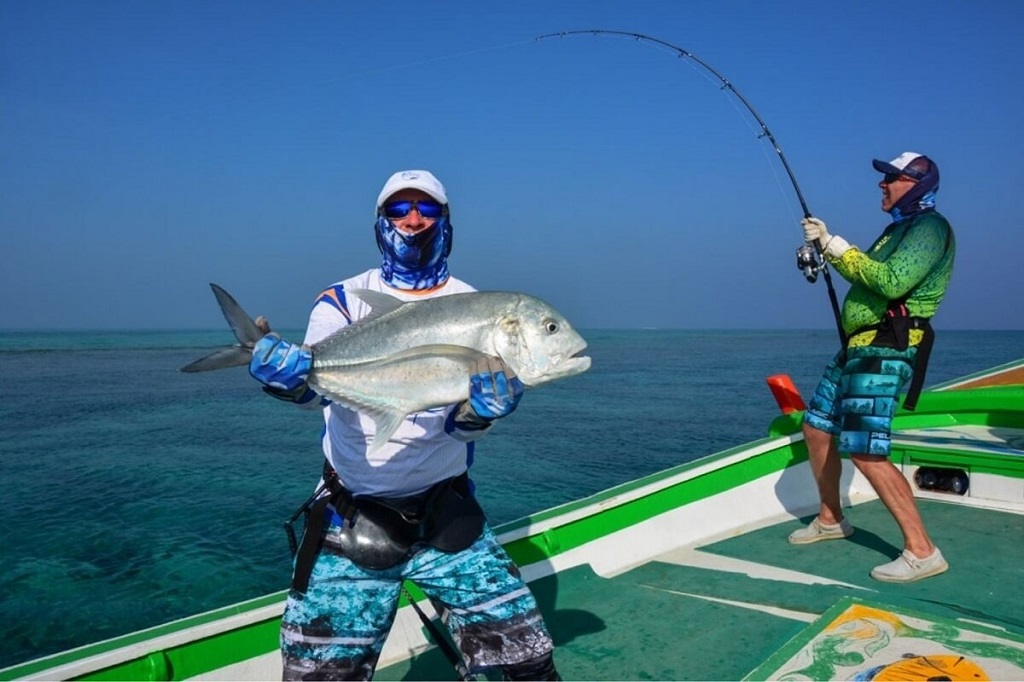
Exmouth Gulf offers unparalleled saltwater fly fishing far from the popular Ningaloo Reef. Locals flock here for queenfish, golden trevally, and permit, often in complete solitude.
Shallow flats stretch for miles, giving anglers the perfect environment for sight fishing. Tides play a critical role, and fishing is often best two hours before and after high tide.
As reported by Fishing World Australia, this region supports some of the healthiest marine biodiversity in the country. Professional fishing charters avoid it due to its remoteness, but locals with small boats reap the rewards.
Why These Spots Remain Hidden
Each of these fishing spots stays under the radar for one primary reason — access. Whether due to geographical isolation, local secrecy, or conservation rules, these locations aren’t flooded with tourists. The top 7 hidden fishing spots only locals know about thrive because they require effort, knowledge, and respect.
According to a 2023 survey by the Recreational Boating and Fishing Foundation, 58% of U.S. anglers said they’d rather fish alone or with close friends in remote areas. That insight underscores the rising value of exclusivity and untouched environments in fishing culture.
Read More Also: Nail Drill Gun Speed Guide for Different Applications
Frequently Asked Questions
Do I need a guide to fish in remote areas?
Not always, but hiring a local guide can unlock hidden water access and increase your success rate.
Are permits required for these fishing spots?
Most do require local permits or licenses. Always check regional fishing laws before planning a trip.
When is the best time to fish in these hidden spots?
Spring and fall are optimal for most freshwater spots. Saltwater areas often peak with seasonal tides.
What gear should I bring?
Pack light but smart. Include high-quality rods, versatile lures, polarized sunglasses, and GPS or offline maps.
Can beginners fish in these spots?
Some, like Pyramid Lake and Lough Corrib, offer easier access. Others, such as Devil’s River, demand experience.
Is it safe to fish in these remote locations?
Yes, if you prepare properly. Always inform someone of your location and carry emergency supplies.
How do I find more hidden fishing spots?
Networking with local anglers, reading niche forums, and exploring satellite maps can reveal promising areas.
Final Thought
The thrill of finding a secluded fishing paradise is unmatched. The top 7 hidden fishing spots only locals know About not only offer fantastic catches but also an escape from the hustle of commercial tourism. These locations are more than just fishing holes — they’re sanctuaries for those seeking connection with nature and solitude.
By respecting local rules, minimizing your environmental footprint, and embracing the adventure, you can experience angling the way it was meant to be — raw, personal, and unforgettable.