

Introduction to THC-Infused Spirits
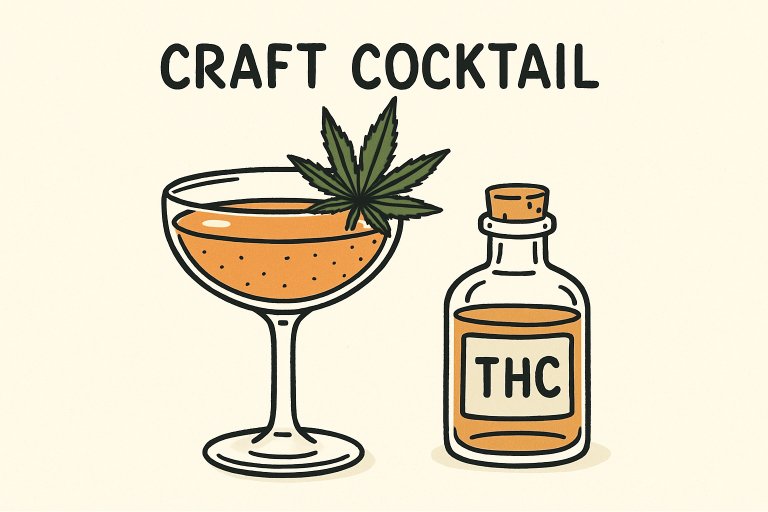
Cannabis is reshaping the beverage world, merging seamlessly into the craft mixology movement to create a new category—THC-infused spirits. These products blend the signature psychoactive qualities of tetrahydrocannabinol (THC) with inventive cocktail culture, presenting a vibrant alternative for curious consumers and seasoned cocktail-lovers alike. In places with progressive hemp and cannabis laws, such as Florida, this trend is drawing increasing attention from both innovators and consumers interested in the future of drinking experiences.
Industry watchers and enthusiasts can explore this curated resource, which details insights tailored to evolving regional and national landscapes, to comprehensively examine market trends and regulatory updates for THC infused spirits Florida. As consumer interest continues to grow, this evolving niche not only challenges traditional alcohol norms but also opens up new possibilities for social experiences, wellness integration, and personalized flavor profiles.
Market Growth and Consumer Demand
The appetite for cannabis-infused beverages is skyrocketing. Market research indicates that the global value of cannabis beverages reached $2.4 billion in 2023, with a projected expansion to over $117 billion by 2032. This robust growth is largely attributed to a sea change in consumer expectations: people are moving away from conventional alcoholic drinks and searching for products that cater to wellness, unique experiences, and mindful consumption. As young adults become the driving force behind premium beverage trends, THC-infused spirits are positioned as both a conversation starter and a conscious lifestyle choice.
Craft Breweries and Distilleries Entering the Scene
Independent breweries and distilleries have become ground zero for experimental THC infusions. Companies are disrupting the market with hemp-derived, low-alcohol or alcohol-free alternatives that appeal to wellness-focused consumers. By leveraging the heritage of craft brewing and the creativity of mixology, these brands are curating a new drinking ritual—one where flavor, mood, and experience intertwine.
Regulatory Landscape and Legal Considerations
The patchwork nature of cannabis regulation poses both opportunities and challenges for producers and consumers. The 2018 Farm Bill legalized hemp-derived products with less than 0.3% THC at the federal level, but state-level restrictions and allowances differ significantly. While some states allow THC drinks in liquor stores, others require them to be sold at licensed dispensaries or prohibit them entirely. Keeping current on local statutes is crucial to enjoying and distributing these beverages safely and legally. A recent New York Times analysis provides context on how these shifting regulations impact availability and consumer access across the country.
Health and Wellness Perspectives
The health narrative around THC-infused spirits is a major driver for their popularity. Many turn to these beverages as an alternative to alcohol, drawn by the promise of experiencing relaxation and euphoria without the risks of liver damage, dependency, or severe hangovers associated with alcohol. Nonetheless, THC’s effects—especially in beverage form—are still being studied. Dosage, absorption speed, and individual responses can vary widely, emphasizing the need for responsible consumption and awareness of underlying health conditions.
Innovations in Flavor and Mixology
THC-infused spirits are not just about the buzz—they’re about the taste. Modern mixologists are eager to showcase cannabis in sophisticated, balanced blends. Companies like Artet are pioneering cannabis aperitifs, combining a variety of botanicals, herbs, and THC extracts to create complex, multi-layered flavor profiles. These innovations enable consumers to enjoy the pleasures of a crafted cocktail—ritual, taste, and effect—under one roof, steadily redefining what it means to have a “drink” in social spaces.
Consumer Education and Responsible Consumption
With the growth of cannabis beverages comes a responsibility to prioritize education. THC in consumables interacts with the body differently than smoked or vaporized forms, resulting in a delayed onset and a potentially stronger effect. Brands and retailers are charged with helping consumers understand serving sizes, onset expectations, and blending cannabis with other substances (such as alcohol or prescription medications). Local organizations and consumer watchdogs are quickly becoming valuable resources for those who want to explore THC drinks safely and legally.
Future Outlook and Industry Implications
The intersection of cannabis and craft beverages promises a rich future of innovation, creativity, and economic impact. As legislators adapt to changing public sentiment and consumer engagement soars, we expect broader availability, new product categories, and stiffer competition with traditional alcohol producers. With careful regulatory monitoring and ongoing product quality and safety advances, THC-infused spirits will likely remain at the forefront of tomorrow’s beverage trends.