

Key Takeaways
- Handcrafted cookie stamps carry a storied legacy spanning continents and centuries.
- These tools are made by skilled artisans using traditional materials such as wood, ceramic, and metal.
- Modern makers are revitalizing the craft by blending established practices with fresh, contemporary designs.
- The use of cookie stamps not only beautifies baked goods but also connects us to a heritage of culinary art.
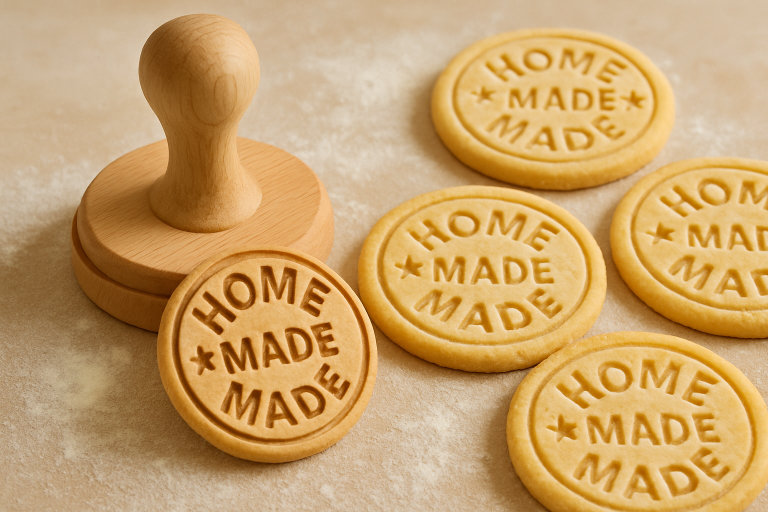
Handcrafted cookie stamps are prized by home bakers and culinary artisans alike for their remarkable ability to turn ordinary cookies into distinctly beautiful creations. These decorative kitchen tools offer much more than just a functional role in baking; they tell a story woven across time and culture. If you are looking for a tool that merges artistry with tradition, a quality cookie press can help you achieve cookies with intricate, eye-catching designs right at home.
Since the earliest societies, people have used cookie stamps to adorn their festive treats, leaving behind not only beautiful patterns but also a heritage of culinary craftsmanship passed from one generation to the next. Whether they are made from wood, ceramic, or metal, these handmade tools offer a window into our shared love for artistry through baking.
A Brief History of Cookie Stamps
The earliest historical records of cookie stamps appear in Scandinavia and parts of Central Europe, where families would gather to celebrate special occasions by crafting ornate cookies adorned with symbolic shapes and motifs. In many households, these tools were handed down along with cherished recipes. While the designs might differ, a snowflake here or a star there, they all reflected the region’s stories and values. Today, the art of cookie stamping is recognized around the world, pointing to a common desire for baking that is both personal and artistic.
Materials and Craftsmanship
Creating a handcrafted cookie stamp is a labor-intensive process that demands skill and patience. The majority are carved from dense wood, which enables makers to engrave delicate, detailed patterns that withstand frequent use. Ceramic stamps, often produced from natural clay, offer an alternative for those who prefer a heavier, tactile feel. Metal cookie stamps are less common but highly durable, valued for their ability to press sharp, defined lines into dough. Each material adds its own unique character, resulting in stamps as unique as the cookies they adorn.
Modern Artisans Keeping the Tradition Alive
Across the globe, a new generation of artisans is breathing fresh life into the tradition of handcrafted cookie stamps. Some makers stay true to heritage designs while others experiment with contemporary themes, ensuring that their work appeals to a new audience of home bakers. Artisans often work in small studios, using hand tools and traditional techniques to create stamps that are both functional kitchen tools and pieces of folk art.
Benefits of Using Handcrafted Cookie Stamps
There are numerous reasons why home bakers and professionals are returning to handcrafted cookie stamps:
- Enhanced Aesthetics: The designs on stamped cookies add a layer of sophistication, making everyday treats look special for celebrations or gifts.
- Personalization: Many stamps can be custom-made or selected to suit the baker’s personality or the event, providing a highly personalized touch.
- Tradition Preservation: Using and gifting these tools keeps an artistic tradition alive, while also forging lasting memories through family rituals or gatherings.
How to Use a Cookie Stamp
Making beautifully stamped cookies is straightforward with a little practice. Start by preparing a cookie dough with a firm consistency—a dough that is too soft will not hold the detailed impressions. Scoop the dough into evenly sized balls and place them on your baking sheet. Lightly dust your stamp with flour to prevent sticking, then press it down on each ball to create a detailed imprint. Finally, bake the cookies according to your recipe. For best results, use recipes specifically designed for stamping, as they often include ingredients that help the impressions hold their shape during baking.
Maintaining Your Cookie Stamps
Proper maintenance ensures your handcrafted cookie stamps remain in top condition for years of use. Always clean your stamp thoroughly with warm water and mild soap immediately after baking. Be especially careful with wooden stamps; avoid soaking them in water to prevent warping or cracking. After cleaning, dry your stamp completely and store it in a cool, dry place. This simple routine will keep your stamps pristine and ready for your next baking session.
Final Thoughts
Handcrafted cookie stamps serve as more than just practical tools. They are a celebration of cultural history, skilled artistry, and the enduring joy of creating something meaningful with your own hands. By learning about their origins, choosing the right stamp for your needs, and properly caring for your tools, you can elevate your baking while staying connected to centuries of culinary tradition.