
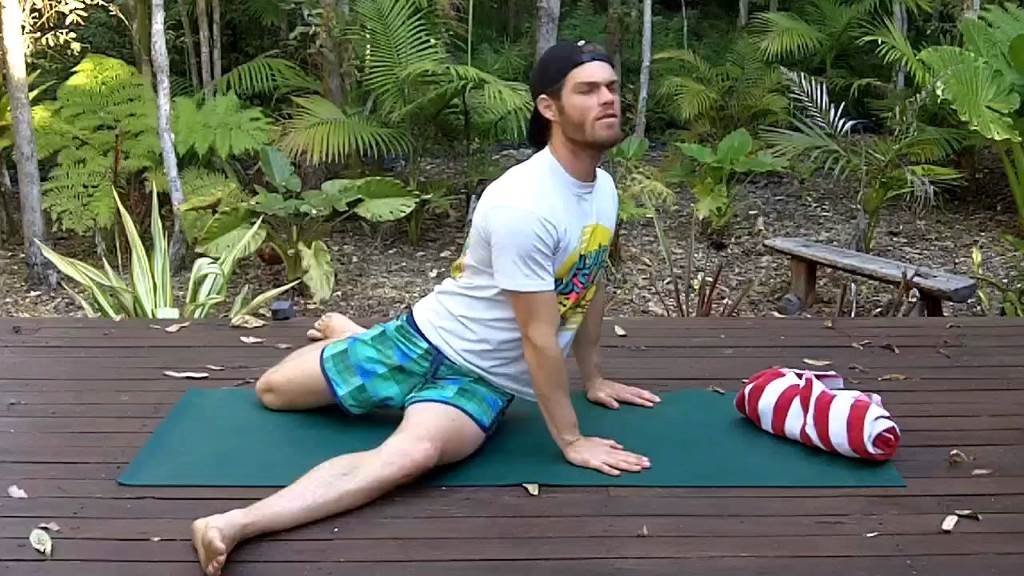
Surfing isn’t just a sport—it’s a full-body challenge that tests your strength, balance, flexibility, and coordination. Yet, many surfers, both beginners and seasoned pros, overlook one crucial element that can drastically elevate their performance: mobility. To truly ride like a pro, you need to stretch like a surfer. This guide dives deep into mobility routines tailored for the waves, backed by science and crafted with experience.
Why Mobility Matters More Than You Think
Surfers demand full-body coordination. Paddling requires shoulder flexibility. Popping up needs explosive hip mobility. Turning on the face of a wave hinges on spinal rotation. According to a Journal of Strength and Conditioning Research study, athletes with higher mobility experienced a 32% decrease in injury rates compared to those with limited range of motion.
Stretching like a surfer isn’t about generic yoga moves. It’s about targeted routines designed to enhance surf-specific functions. Without mobility, surfers struggle to maintain balance, generate power, and recover quickly from long sessions.
Surfer Mobility vs. Flexibility: Know the Difference
Many confuse flexibility with mobility. Flexibility refers to how far a muscle can stretch. Mobility, however, is the ability to move a joint through its full range of motion with control. Surfers need mobility far more than passive flexibility. For instance, a flexible hamstring won’t help much if your hips can’t rotate dynamically when carving a turn.
Physical therapist Dr. Kelly Starrett emphasizes that “mobility under tension is what creates athleticism.” That’s why surfers must incorporate routines that improve controlled movement patterns, not just static stretches.
The Science-Backed Benefits of Stretching Like a Surfer
Here’s what targeted mobility training brings to surfers:
- Faster pop-ups: Increased hip and thoracic mobility reduces lag time between paddling and standing.
- Better wave maneuvering: Shoulder and spine flexibility improves paddling endurance and twisting motions.
- Lower injury risk: Joints that move freely are less prone to strains and tears during high-impact landings.
- Recovery boost: Post-surf mobility routines enhance blood flow, which helps muscles recover faster.
A 2022 article by Surfer Today also noted that surfers who practiced dynamic mobility drills before sessions saw a 25% improvement in paddle power and smoother transitions during pop-ups.
Daily Mobility Routines Every Surfer Should Master
Consistency trumps intensity. Just 10–15 minutes daily can dramatically improve your surf game. Here’s a practical routine to help you stretch like a surfer:
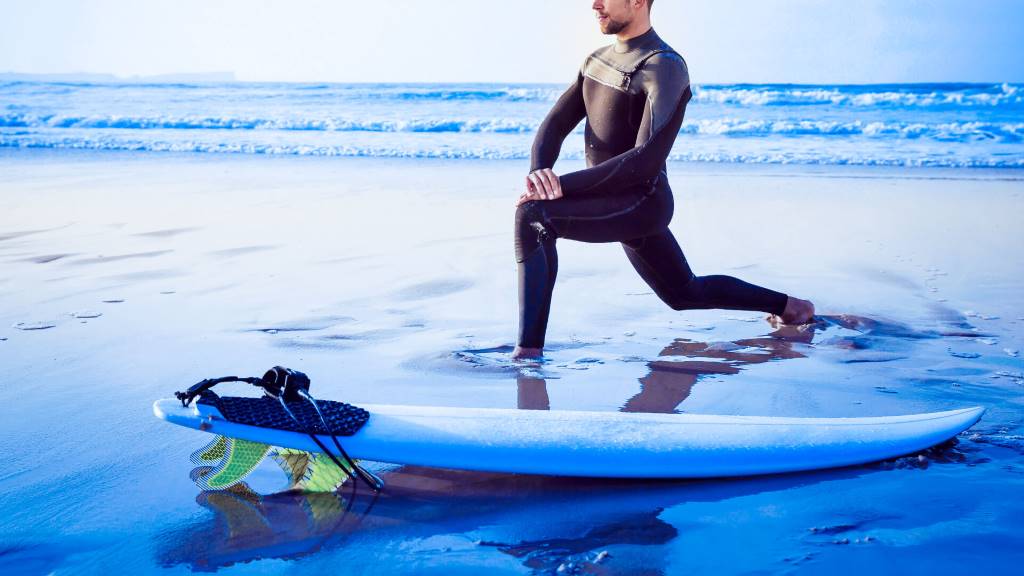
1. World’s Greatest Stretch (3 minutes)
- Combines a deep lunge, spinal twist, and hamstring stretch.
- Improves hip flexor, thoracic, and hamstring mobility.
- Mimics movements used during pop-ups and duck dives.
2. Shoulder Opener on Wall (2 minutes)
- Face a wall with arms up like goalposts and rotate slowly.
- Increases scapular control and shoulder rotation for efficient paddling.
3. 90/90 Hip Flows (3 minutes)
- Sit in the 90/90 position and rotate knees side to side.
- Targets internal and external hip rotation—key for surfing stance transitions.
4. Cat-Cow Spinal Mobilization (2 minutes)
- Helps decompress the spine and warm up your core.
- Prepares the back for powerful torso twists and compression landings.
5. Ankle Rockers (2 minutes)
- Shift weight forward while keeping heels down.
- Enhances ankle dorsiflexion, improving balance and board control.
Each of these drills improves a specific function surfers rely on every wave. This approach transforms mobility from an afterthought into a performance enhancer.
Read Also:
Longboard vs Shortboard: Which Style Suits Your Surfing Journey?
The Influence of Polynesian Voyaging on Surfing’s Spread
When to Stretch: Timing is Everything
Mobility isn’t just a pre-surf ritual. Here’s the ideal breakdown:
- Pre-surf: Use dynamic mobility drills like leg swings, hip circles, and arm rotations.
- Post-surf: Focus on static stretches to cool down and reduce tightness.
- Off-days: Incorporate full mobility flows or attend a surf-specific mobility class.
A study published by the International Journal of Sports Physical Therapy found athletes who followed a structured post-workout mobility program recovered 19% faster than those who didn’t stretch consistently.
Real Surfers, Real Results
Take the example of pro surfer Carissa Moore. Her coach revealed that mobility work is a daily part of her routine, allowing her to maintain fluidity and strength under pressure. Similarly, intermediate surfers on Reddit’s r/surfing forum often share how adopting simple mobility flows eliminated chronic shoulder pain and helped them stay longer in the water.
Mobility isn’t exclusive to elite surfers—it’s accessible and transformative for all levels.
Expert Opinions: What Coaches and Therapists Say
Surf coach Cris Mills from Surf Strength Coach emphasizes, “Most surfers don’t need more strength—they need to move better.” His programs prioritize mobility over traditional strength training for one reason: control leads to power.
Meanwhile, physiotherapist Dave Procter adds, “Joint restriction, especially in the thoracic spine, is often the hidden reason why surfers plateau.” His advice? Mobilize before you immobilize.
FAQs
Can beginners benefit from surfer-specific mobility routines?
Absolutely. Mobility helps prevent early injuries and builds better habits from the start.
How often should I perform mobility routines?
Aim for at least 3–5 times a week. Daily short sessions offer the best results.
Can mobility work replace strength training?
No, but it complements it. Both are essential for optimal surf performance.
Are there surf apps that include mobility training?
Yes. Try apps like Surf Athlete and GOWOD, which feature mobility workouts for surfers.
What’s the difference between mobility drills and static stretching?
Mobility involves active movement. Static stretching involves holding positions. Both serve different purposes.
Do I need equipment for these routines?
Most require no equipment. A yoga mat or foam roller can enhance comfort and effectiveness.
What if I feel pain during a stretch?
Stop immediately. Discomfort is normal, but pain is a red flag. Consult a specialist if it persists.
Final Thought: Surf Better, Hurt Less, Move Freely
Whether you’re chasing barrels in Bali or catching shore breaks at your local beach, how you move matters. Stretching like a surfer isn’t just about looking flexible. It’s about functional control, injury prevention, and unlocking your full potential on the waves. By investing a few minutes each day into these surf-specific mobility routines, you’ll ride longer, stronger, and with more style.
Mobility isn’t optional—it’s essential. So next time you wax your board, remember: your body is the real ride. Keep it moving right.