

Finding the right pillow firmness isn’t just about comfort—it can seriously impact how well you sleep. If you toss and turn all night, shifting from your back to your side or stomach, you’re what’s known as a combination sleeper. This means your pillow needs to support you through each position without causing neck strain or discomfort.
When I first realized I was a combination sleeper, I tried everything—from ultra-soft memory foam to rock-hard latex pillows. But none gave me the balance I needed. Eventually, I found a medium-firm pillow that adapted to my movement without waking me up. That discovery changed everything.
Whether you’re like me or just beginning your sleep journey, understanding your pillow needs is crucial. And if you’re unsure where to start, explore Pillow Show Case for helpful guides and trusted pillow reviews at Pillow Show Case.
Let’s break down the science and strategy of picking the perfect pillow firmness for combination sleepers—so you wake up feeling refreshed, not sore.
Understanding Combination Sleeping: What Makes It Unique
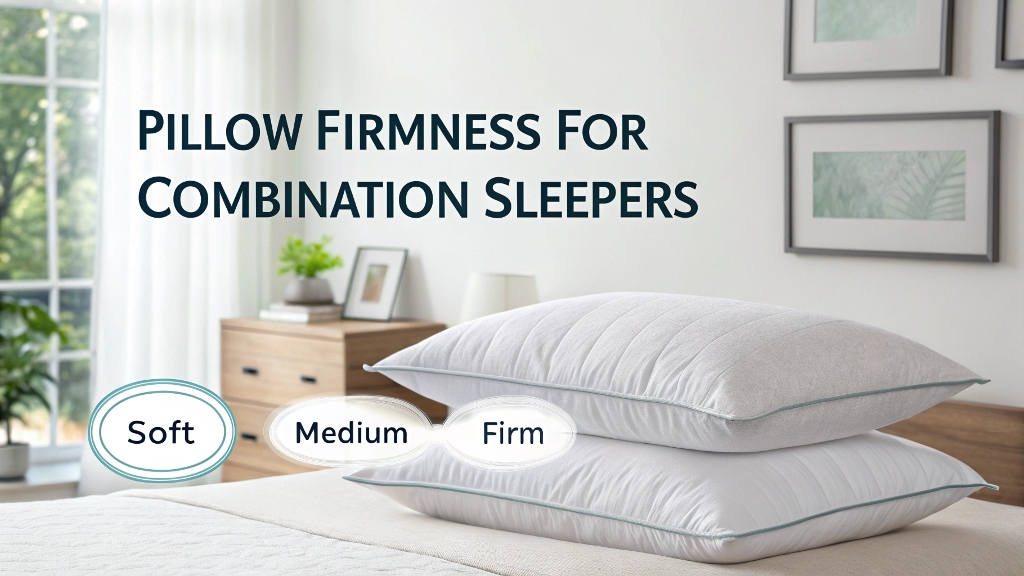
Combination sleeping involves switching between multiple sleep positions—typically the side, back, and sometimes stomach. According to a study by the National Sleep Foundation, over 60% of adults shift positions during sleep, making combination sleeping incredibly common.
So, what’s the challenge? Each position needs a different type of support:
- Back sleeping: Needs moderate neck support and a thinner pillow to keep the spine aligned.
- Side sleeping: Requires more loft and firmness to cushion the shoulder and keep the neck neutral.
- Stomach sleeping: Demands a soft, low-loft pillow to avoid tilting the head.
Because combination sleepers use all three positions, their pillows must strike a perfect balance. A pillow that’s too firm might push the head forward when sleeping on the back. Too soft, and it might collapse under the weight of the head when side sleeping.
Key challenges include:
- Maintaining spinal alignment in all positions
- Preventing neck and shoulder pain
- Reducing sleep interruptions during position changes
The right pillow firmness can make or break your night’s sleep. Let’s explore how to find the perfect fit. For more guidance on common pillow concerns, you can also discover new pillows smell bad at https://pillowshowcase.com/pillow-faq-guides/why-does-my-pillow-smell-after-washing-pros-and-cons-faqs/.
Soft, Medium, or Firm: Which Is Best for You?
When choosing pillow firmness, many people focus only on comfort. However, for combination sleepers, the pillow must perform across multiple roles. Here’s a breakdown of what each firmness level offers:
1. Soft Pillows
- Best for: Stomach sleepers
- Pros: Molds to your shape, reduces pressure
- Cons: May lack support for side/back sleeping
Soft pillows work well for stomach sleepers but can collapse too much during side or back sleeping. If you’re a light sleeper or often wake with a stiff neck, this may not be the best choice.
2. Medium-Firm Pillows
- Best for: Most combination sleepers
- Pros: Balances comfort and support, adapts to all positions
- Cons: Might not suit those who strictly sleep on their stomach
Medium firmness tends to be the sweet spot. It provides the structure needed for side sleeping, yet it’s not so firm that it causes discomfort during back or stomach positions.
3. Firm Pillows
- Best for: Side sleepers only
- Pros: Excellent support for side sleeping
- Cons: Can cause head tilt during back/stomach sleeping
Firm pillows keep the head elevated, but for combination sleepers, they can create alignment issues when switching positions. Therefore, unless you sleep mostly on your side, avoid this firmness.
Tip: If you can’t decide, try an adjustable pillow. You can remove or add filling to change firmness based on your needs.
Ideal Pillow Types for Combination Sleepers
Let’s talk materials. Not all pillows are created equal, and the right filling can help regulate firmness, airflow, and comfort.
Memory Foam
- Benefits: Adapts to head and neck shape
- Best for: Moderate to firm support
- Downside: May trap heat
Memory foam pillows work well for support and contouring. However, they can get hot at night. Look for cooling or shredded memory foam to improve airflow.
Latex
- Benefits: Naturally supportive, durable
- Best for: Medium to firm feel
- Downside: Pricier, heavier
Latex offers excellent bounce and support. It doesn’t compress easily, so it works well for side and back sleeping. Many organic options are also available.
Down or Down Alternative
- Benefits: Soft, lightweight
- Best for: Stomach sleepers
- Downside: Lacks support for side/back positions
These are plush and cozy but might collapse during the night, requiring frequent fluffing. They’re better suited for occasional use or as secondary pillows.
Bonus Tip: Consider hybrid pillows combining memory foam and down alternatives for the best of both worlds.
How to Test a Pillow Before Buying
Trying before buying is ideal, but not always possible. However, you can still test a pillow at home or in-store using these simple methods:
1. The Fold Test
Fold the pillow in half. If it doesn’t bounce back, it’s too soft or worn out.
2. Position Simulation
Lie down in your typical sleeping positions. Check if your neck stays in line with your spine. You shouldn’t feel your head being pushed up or sinking too low.
3. Trial Periods
Buy from brands that offer at least a 30-day sleep trial. This gives your body time to adjust.
4. Return Policy
Check if returns are free and easy. Some companies even offer prepaid return labels.
Remember: It can take up to 14 days for your body to adjust to a new pillow, especially if you’ve been using an unsupportive one for years.
How Firmness Affects Your Health and Sleep Quality
Sleep isn’t just about feeling cozy—it impacts your mood, energy, and overall well-being. The wrong pillow firmness can cause several issues:
- Neck stiffness
- Shoulder tension
- Headaches
- Waking up multiple times at night
According to a 2023 study by the American Chiropractic Association, neck pain affects 1 in 3 adults, and poorly designed sleep surfaces are a major contributor.
Combination sleepers need dynamic support that moves with them. Medium firmness pillows tend to reduce discomfort across all sleeping positions and minimize tossing and turning.
Additionally, better alignment reduces snoring, which can improve oxygen flow and sleep quality—not just for you, but your partner too!
Final Tips for Choosing Your Perfect Pillow
Here are some final, actionable tips for finding the best firmness:
- Stick with Medium Firmness
- It offers the best versatility for movement.
- Choose Adjustable Fill
- Allows you to modify height and softness over time.
- Look for Responsive Materials
- Memory foam and latex rebound quickly as you change positions.
- Check the Loft (Height)
- Medium loft (3–5 inches) works best for combination sleeping.
- Invest in Quality
- Better pillows last longer and offer consistent support.
Read More Also: Coastal Living Room Decor With Natural Textures
Conclusion
Combination sleepers have unique needs—and finding the right pillow firmness can transform your nights. Medium-firm pillows typically offer the best blend of comfort, support, and adaptability. They keep your spine aligned, reduce pain, and help you sleep soundly regardless of your position.
If you’re unsure where to start, test pillows with adjustable fillings or trial periods. And don’t underestimate the power of good materials—memory foam, latex, and hybrid pillows can offer both support and comfort.
Most importantly, don’t settle. Your sleep is worth it.
Have you found the perfect pillow? Share your experience below or send this guide to a friend who tosses and turns every night. Let’s help more people sleep better—one pillow at a time.
Discover More: Unlocking the Challenge: Why Treating Anxiety is So Difficult
FAQs
What firmness of pillow is best for combination sleepers?
Medium-firm pillows are generally the best for combination sleepers, offering both support and comfort across all positions.
Can I use a soft pillow if I sleep in multiple positions?
You can, but soft pillows often lack support for side and back sleeping. They work best for stomach-only sleepers.
Are adjustable pillows worth it?
Yes, especially for combination sleepers. They let you customize firmness and loft to match your shifting positions.
How do I know if my pillow is too firm?
If you wake up with neck pain or your head feels pushed upward, your pillow may be too firm.
How often should I replace my pillow?
Most quality pillows should be replaced every 18–36 months, depending on use and material.