
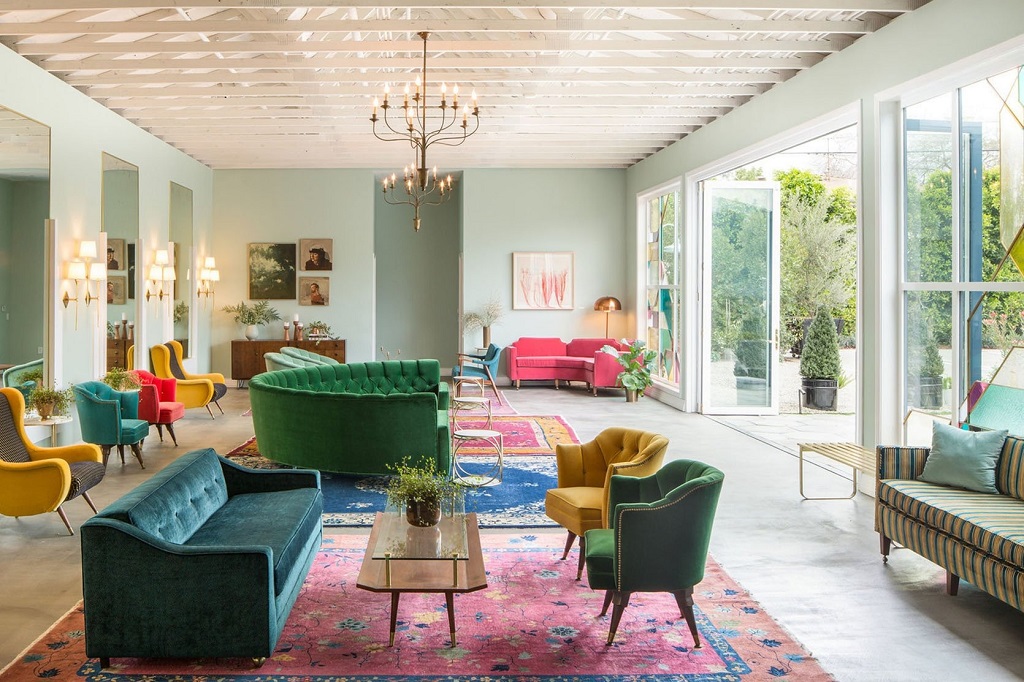
Imagine stepping into a living room where a sleek, minimalist sofa sits comfortably beside a weathered wooden armchair from the 1950s, and the whole space hums with an effortless energy that feels both nostalgic and utterly current modern Decor tips. That’s the magic of mixing vintage and modern decor—a design approach that’s capturing hearts worldwide for its ability to create homes that are uniquely personal, timeless, and full of character. In a world of cookie-cutter interiors, blending eclectic styles like vintage modern decor offers a refreshing way to infuse your space with stories, texture, and soul.
But how do you pull it off without the room looking like a mismatched flea market? If you’ve ever stared at a thrifted lamp wondering if it clashes with your new coffee table, you’re not alone. This guide dives deep into the art of eclectic interior design, sharing practical tips, principles, and room-specific ideas that actually work. Whether you’re a decor newbie or a seasoned stylist, these insights will help you master blending styles for a home that reflects you. Let’s explore how to harmonize the old with the new and transform your space into a seamless symphony of eras.
Understanding the Appeal of Eclectic Decor
Eclectic interior design isn’t just a trend; it’s a philosophy that celebrates diversity in aesthetics. By weaving vintage pieces—think mid-century sideboards or antique brass hardware—with modern staples like clean-lined furniture and smart tech, you create layers of visual interest that keep your eyes dancing from one focal point to the next.
What Makes Vintage and Modern a Perfect Pair?
At its core, the charm lies in contrast. Vintage items bring warmth, patina, and a sense of history, often featuring handcrafted details that mass-produced modern pieces lack. Modern decor, on the other hand, emphasizes functionality, clean lines, and neutral palettes that provide a neutral canvas. Together, they balance sentimentality with simplicity, preventing a space from feeling stuffy or sterile.
Consider the textures: the soft, irregular weave of a vintage Persian rug against the smooth leather of a contemporary armchair. Or the organic curves of an Art Deco vase juxtaposed with the geometric precision of a Bauhaus-inspired shelf. This interplay adds depth, making your home feel lived-in and loved. According to design experts, this fusion taps into our innate desire for authenticity—vintage evokes emotion, while modern ensures usability.
Benefits of Blending Styles in Your Home
Beyond aesthetics, mixing vintage and modern decor has tangible perks. It’s budget-friendly: Vintage finds from estate sales or online marketplaces can anchor a room without breaking the bank, allowing splurges on high-quality modern investments like ergonomic seating. It also promotes sustainability—repurposing old pieces reduces waste and gives items a second life.
Psychologically, eclectic spaces boost creativity and comfort. Studies from environmental psychology suggest that varied textures and eras in a room can reduce stress and spark joy, much like a well-curated playlist that mixes genres. Plus, it’s versatile for any lifestyle: A family home gains playful heirlooms, while a minimalist apartment gets a touch of whimsy. In short, this style isn’t just pretty—it’s practical and profound.
(Word count so far: 612)
Key Principles for Successful Mixing
Jumping into eclectic decor without a roadmap can lead to chaos. The secret? Stick to foundational principles that guide your choices, ensuring every element enhances rather than overwhelms.
Balance is Key: Creating Harmony Through Contrast
Think of your room as a seesaw—vintage and modern must counterbalance each other. Aim for a 60/40 rule: 60% modern for structure and flow, 40% vintage for personality. For instance, ground the space with modern flooring like polished concrete, then layer in vintage accents such as a tufted ottoman.
Contrast thoughtfully: Pair soft vintage fabrics with hard modern surfaces, or warm wood tones with cool metals. This creates rhythm, preventing monotony. A pro tip? Use the “rule of three”—group items in odd numbers (e.g., two modern vases flanking a vintage mirror) for natural visual flow.
Color Coordination: Unifying Your Palette
Color is the glue in blending styles. Start with a neutral base—grays, beiges, or whites—from modern pieces, then introduce vintage pops via muted jewel tones or faded pastels. LSI keywords like “cohesive color schemes in eclectic design” come into play here: Ensure no single hue dominates; instead, repeat accents across eras, like a modern throw pillow echoing the blue in a vintage painting.
Test with swatches: Hold a vintage quilt against your modern rug. If they share undertones (warm vs. cool), they’ll sing together. Tools like digital color wheels can help, but trust your eye—eclectic thrives on intuition.
Scale and Proportion: Sizing It Right
Nothing kills a mix faster than mismatched scales. A massive vintage armoire can dwarf a petite modern TV stand, so measure twice. Use vintage for statement pieces in larger rooms (e.g., a king-sized antique bed) and reserve modern for fillers in tight spaces.
Proportion ties it all: Hang a small vintage print low over a modern console to draw the eye horizontally, or scale up with oversized modern art above a delicate vintage settee. The goal? A sense of equilibrium that feels intentional, not accidental.
Practical Tips for Incorporating Vintage Pieces
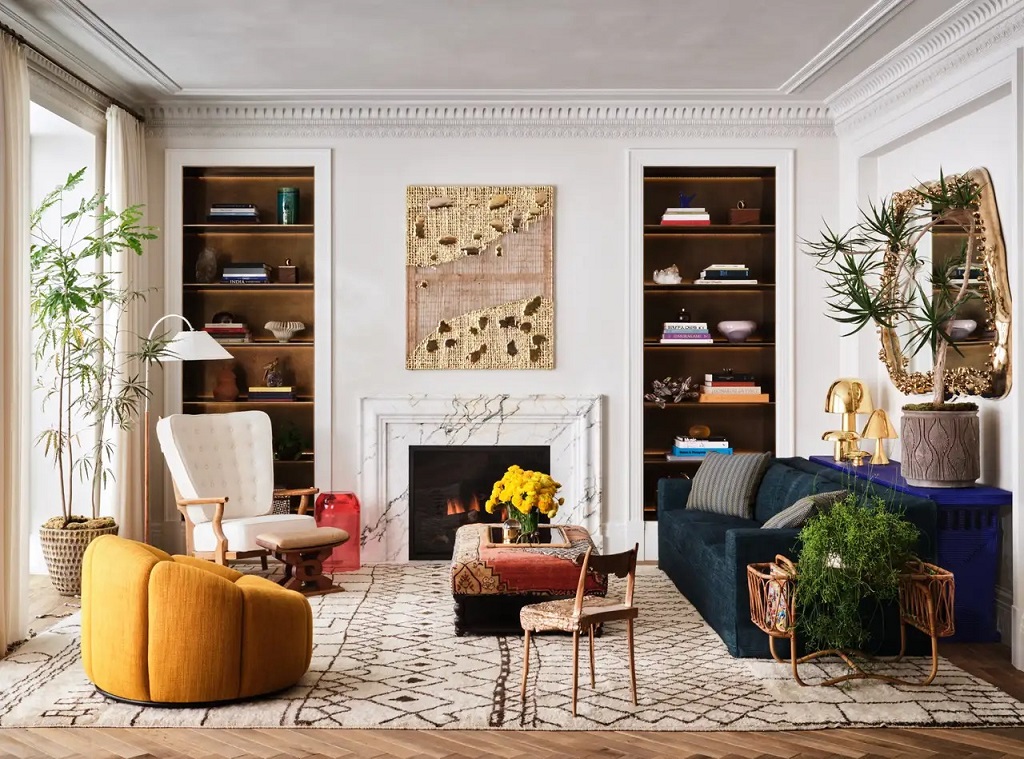
Vintage is the heart of this style, but integration requires finesse. Here’s how to source and spotlight those treasures without overwhelming your modern base.
Sourcing Vintage Finds Like a Pro
Hunt smart: Thrift stores, Etsy, or local auctions yield gems like Danish teak chairs or Victorian sconces. Look for quality—solid wood over particleboard, and pieces with stories (a scuffed leather club chair screams character). Budget? Set aside $100-300 per item to start.
Authenticity matters, but so does adaptability. Refinish a dated dresser in a modern matte black, or reupholster a vintage sofa in crisp linen. Apps like Chairish or 1stDibs curate options, filtering by era for easy blending.
Where to Place Them: Strategic Staging
Placement amplifies impact. Anchor vintage in traffic areas—a mid-century credenza as a TV console commands attention without cluttering. In corners, nestle a vintage rocking chair beside modern built-ins for cozy nooks.
Layer thoughtfully: Drape a vintage quilt over a modern bedframe, or cluster antique books on sleek shelves. Lighting helps—spotlight vintage with modern LEDs to highlight textures. Remember, less is more; edit ruthlessly to let each piece breathe.
(Word count so far: 1,098)
Integrating Modern Elements Seamlessly
Modern pieces provide the backbone, grounding vintage flair with practicality and polish.
Choosing Modern Staples That Complement
Opt for timeless modern icons: A Noguchi glass-top table pairs beautifully with vintage bar stools, its simplicity letting the seats shine. Brands like West Elm or IKEA offer affordable entry points—think modular sofas in performance fabrics that withstand daily life.
Focus on versatility: Neutral modern rugs in wool or sisal unify floors, while multifunctional ottomans double as storage for vintage knick-knacks.
Lighting and Tech: The Invisible Modernizers
Modern lighting bridges eras—a slim LED chandelier over a vintage dining table adds glow without bulk. Smart bulbs from Philips Hue let you adjust moods, enhancing vintage lamps’ ambiance.
Incorporate tech subtly: Wall-mounted speakers blend into modern walls, piping tunes to vintage record players. The result? A space that’s wired for today but whispers of yesterday.
(Word count so far: 1,248)
Room-by-Room Guide to Blending Styles
Tailor your mix to the room’s function for maximum impact.
Living Room Ideas: Social Hubs with Soul
Start with a modern sectional in soft gray, then add a vintage kilim rug for pattern play. Flank with mismatched chairs—one sleek Eames, one plush Chesterfield—for conversational clusters. Wall art? Modern abstracts over vintage consoles keep it fresh.
Bedroom Tips: Restful Retreats
A modern platform bed in walnut grounds the space; top with vintage linens for tactile luxury. Nightstands? One glass-and-steel modern, one carved oak antique. Soft lighting—a modern sconce beside a vintage mirror—creates serene zones.
Kitchen and Dining: Functional Yet Fabulous
Modern quartz counters pair with vintage enamelware for prep zones. In dining, a glass-top modern table hosts vintage china, while pendant lights in matte black hover above. Herb planters in ceramic vintage pots add green pops against stainless appliances.
Common Mistakes to Avoid in Eclectic Design
Even pros slip up. Overloading with vintage leads to clutter—curate ruthlessly. Ignoring cohesion? Always tie back to your palette. And don’t neglect flow; ensure paths remain open amid the mix. Finally, skip trends—focus on pieces you love for longevity.
Conclusion
Mastering the art of mixing vintage and modern decor isn’t about perfection; it’s about crafting a space that evolves with you, blending the best of both worlds into something authentically yours. With these tips—from balancing contrasts to room-specific hacks—you’re equipped to create an eclectic interior design that’s as functional as it is fabulous.
Ready to dive in? Start small: Pick one vintage piece this weekend and pair it with a modern counterpart. Share your before-and-afters in the comments below—we’d love to see your eclectic magic! For more decor inspiration, subscribe to our newsletter for exclusive tips and trends. Your dream home awaits—let’s make it happen.
Read More Also: How to Choose the Proper Size Surfboard for My Kid
FAQs
What is eclectic interior design, and how does it differ from traditional styles?
Eclectic interior design mixes elements from various periods and styles, like vintage and modern decor, for a personalized look. Unlike traditional styles that stick to one era, eclectic embraces diversity for dynamic, story-rich spaces.
How do I start blending vintage and modern on a budget?
Begin with affordable vintage from thrift shops or apps like Facebook Marketplace. Pair with budget modern from IKEA. Focus on one room to build confidence without overspending.
Can mixing styles work in small spaces?
Absolutely! Use scale wisely—small vintage accents on modern neutrals prevent overwhelm. Mirrors and multifunctional pieces enhance flow in compact areas.
What colors work best for vintage modern decor?
Neutrals like grays and beiges from modern pieces ground the space, while vintage adds muted tones like sage green or terracotta. Aim for harmony through shared undertones.
How often should I refresh an eclectic room?
Eclectic thrives on evolution—swap accessories seasonally or as tastes change. Core pieces (one vintage anchor, one modern staple per room) provide stability.