
Choosing the right aquarium pump can feel overwhelming when you’re faced with countless options at different price points. You want equipment that keeps your fish healthy without draining your wallet or sending your electricity bill through the roof. The good news is that finding a budget-friendly pump that performs well is entirely possible when you know what to look for.
Your aquarium pump plays a vital role in maintaining water quality and keeping your aquatic environment thriving. It circulates water, powers filters, and ensures proper oxygenation. However, not every tank needs the most expensive model on the market. Understanding your specific needs and matching them with the right features will help you make a smart purchase that serves you well for years.
This guide will walk you through everything you need to consider when selecting an affordable pump for your aquarium. Whether you have a small desktop tank or a large display aquarium, you’ll learn how to evaluate options, avoid common mistakes, and get the best value for your money.
Understanding What Aquarium Pumps Actually Do
Before diving into selection criteria, it’s helpful to understand the different roles pumps play in your aquarium ecosystem. These devices do more than just move water around.
Water circulation prevents dead spots where debris accumulates and harmful bacteria can thrive. Proper flow distributes heat evenly throughout your tank, eliminating temperature variations that stress fish. Movement at the surface also facilitates gas exchange, allowing oxygen to enter the water while carbon dioxide escapes.
Many pumps power filtration systems, pushing water through media that removes waste, toxins, and particulates. Others create decorative features like waterfalls or fountains that enhance your aquarium’s visual appeal. Some hobbyists use pumps to operate protein skimmers in saltwater tanks or to drive undergravel filter systems.
Different pump types serve different purposes. Powerheads create strong directional flow, while circulation pumps provide gentler, more widespread movement. Air pumps power air stones and sponge filters rather than moving water directly. Understanding which type you need is the first step toward making a smart purchase.
Determining the Right Size for Your Tank
Pump capacity matters significantly when it comes to maintaining a healthy aquarium. Too little flow leaves your tank understocked and prone to problems. Conversely, excessive flow can stress fish and create uncomfortable living conditions.
The general rule suggests your pump should cycle the total tank volume four to six times per hour for freshwater aquariums. A 20-gallon tank, therefore, needs a pump rated for 80 to 120 gallons per hour. Saltwater tanks typically require higher flow rates, often 10 to 20 times the tank volume per hour, depending on the inhabitants.
However, these are starting points rather than absolute requirements. Consider your specific situation carefully. Tanks with heavy fish loads or minimal plants need more circulation than lightly stocked, heavily planted setups. Species preferences also matter. Fish from fast-flowing rivers appreciate stronger current, while those from still waters prefer gentler movement.
Calculate head height when evaluating pump capacity. This term refers to the vertical distance water must travel from the pump to its destination. Every foot of height reduces effective flow rate. A pump rated at 100 gallons per hour might only deliver 70 gallons per hour when lifting water three feet vertically. Check the manufacturer’s flow curve chart to understand actual performance at your specific head height.
Tank size influences more than just flow rate requirements. Larger tanks generally need more powerful pumps, which consume more electricity. Therefore, finding an energy efficient pump becomes increasingly important as tank size grows. The cost savings on your monthly electric bill can offset a slightly higher purchase price over time.
Evaluating Noise Levels in Different Pump Types
Nothing ruins the peaceful ambiance of an aquarium quite like a noisy pump. The constant hum, rattle, or vibration can become incredibly annoying, especially if your tank is in a bedroom or living area.
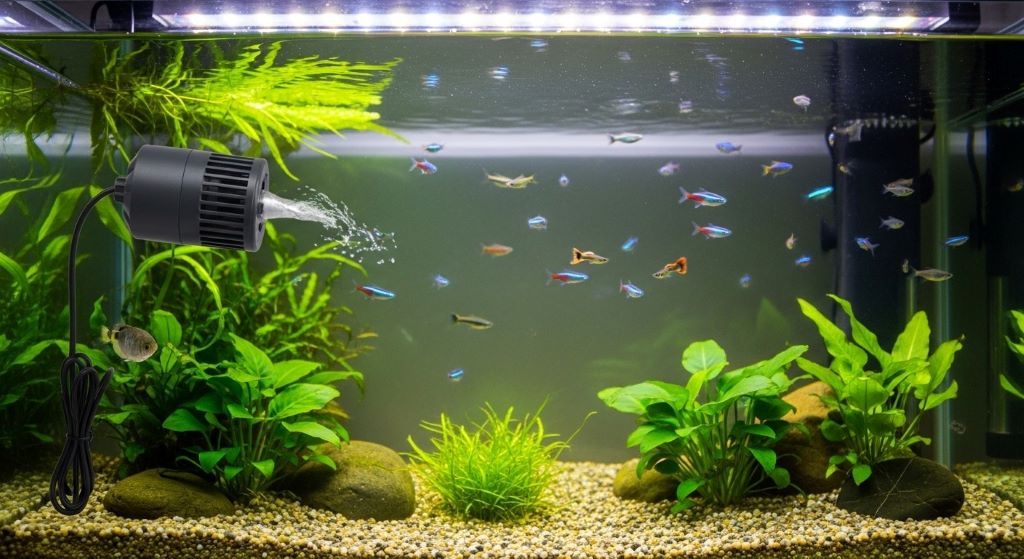
A quiet submersible pump typically produces less noise than external models because water surrounds the motor, dampening sound. These pumps sit inside your tank or sump, making them popular choices for visible aquariums where aesthetics matter. Additionally, submersible designs eliminate the gurgling sounds that sometimes occur with external pumps.
Construction quality significantly affects noise production. Pumps with ceramic shafts and bearings run more quietly than those with metal components. Magnetic drive pumps generate less vibration than direct drive models. Higher-quality manufacturing ensures tighter tolerances and smoother operation.
Placement and installation technique influence noise levels as well. Pumps sitting directly on hard surfaces transmit vibration, creating audible sound. Use rubber feet, foam pads, or vibration-dampening mats to isolate the pump. Ensure intake and output tubes don’t touch tank walls or stand components where they can rattle.
Regular maintenance keeps pumps running quietly. Mineral deposits, algae buildup, and worn impellers all increase noise. Cleaning your pump every few months prevents these issues. Replace worn parts promptly rather than waiting for complete failure.
Understanding Power Consumption and Operating Costs
The sticker price of a pump tells only part of the cost story. Operating expenses over the pump’s lifespan often exceed the initial purchase price, especially for equipment that runs continuously.
Electricity consumption varies dramatically between models. A low watt aquarium pump might use 5 to 15 watts, while larger or less efficient models can consume 50 watts or more. This difference seems small until you calculate annual costs.
Consider an example. A 10-watt pump running 24 hours daily uses 240 watt-hours, or 0.24 kilowatt-hours per day. At an average electricity rate of 13 cents per kilowatt-hour, that’s roughly 3 cents daily or about 11 dollars annually. A 50-watt pump costs approximately 57 dollars per year to operate. Over a five-year period, the less efficient pump costs 230 dollars more in electricity alone.
This calculation becomes even more important with multiple tanks or larger systems. Three pumps at 50 watts each cost 171 dollars annually, while three 10-watt pumps cost only 33 dollars. The savings quickly add up.
Look for pumps with high efficiency ratings. Variable speed models let you adjust flow rate, reducing power consumption when full capacity isn’t needed. DC pumps typically use less electricity than AC models while providing comparable performance.
Don’t sacrifice necessary flow for minimal energy savings. An undersized pump that can’t maintain water quality will cost you more in livestock loss and extra maintenance than you save on electricity. Find the balance between adequate performance and reasonable power consumption.
Comparing Submersible and External Pump Options
Choosing between submersible and external pumps involves weighing several factors beyond just price. Each design offers distinct advantages and limitations.
Submersible pumps install directly in your tank or sump. This placement eliminates priming issues since the pump always starts underwater. They take up aquarium space but save room in your equipment area. Most importantly, they operate very quietly because water muffles motor noise.
Heat transfer is a consideration with submersible models. The pump motor generates heat that dissipates into your tank water. This might benefit tropical tanks in cool rooms but creates problems in warm environments or for cold-water species. Better quality pumps produce less heat through improved efficiency.
External pumps sit outside your tank, typically in a cabinet or equipment room. They’re easier to access for maintenance and don’t take up valuable tank space. However, they require priming before initial startup and can lose prime if air enters the system.
External models often provide more power for their size, making them popular for large tanks or systems requiring high flow rates. They may produce more noise, though, especially if installed on hard surfaces without vibration dampening.
Budget considerations often favor submersible pumps in the lower price ranges. Entry-level external pumps tend to cost more than comparable submersible models. However, high-end external pumps can be more energy efficient, potentially saving money long-term.
Identifying Quality Indicators in Budget Pumps
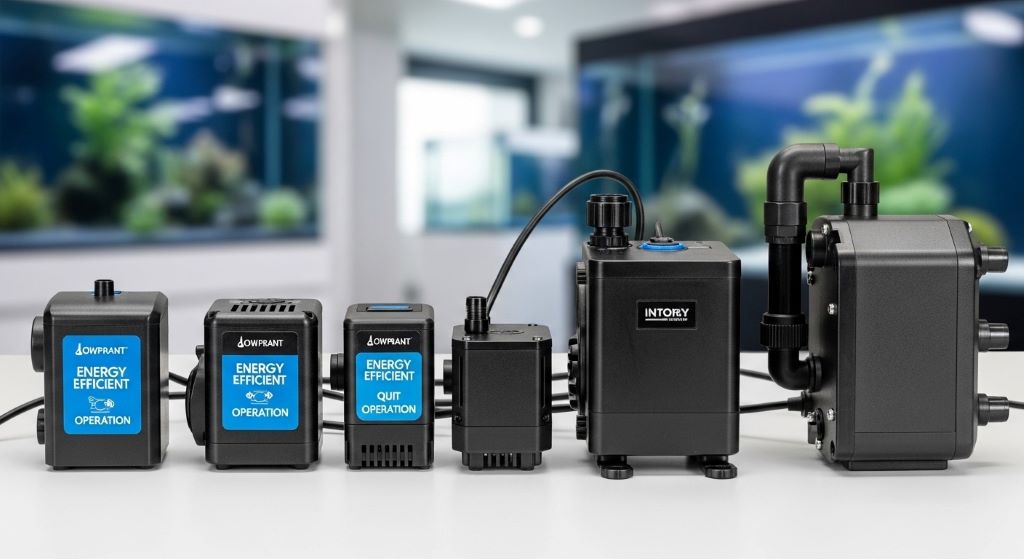
Not all budget pumps are created equal. Some manufacturers cut corners that lead to early failure, while others provide excellent value by focusing on essential features and eliminating unnecessary extras.
Construction materials tell you a lot about pump longevity. Look for corrosion-resistant housing, especially important in saltwater applications. Stainless steel shafts and ceramic bearings last longer than cheaper alternatives. Avoid pumps with excessive plastic components in critical areas.
Impeller design affects both performance and durability. Well-balanced impellers run smoothly with minimal vibration. Replaceable impellers extend pump life since you can swap worn components rather than replacing the entire unit. Check whether replacement parts are readily available and reasonably priced.
Motor quality separates good pumps from poor ones. Sealed motors prevent water intrusion that causes electrical failures. Thermal overload protection shuts the pump down before overheating causes permanent damage. These features cost a bit more but prevent catastrophic failures.
Warranty length indicates manufacturer confidence in their product. A one-year warranty is standard, but better pumps often come with two or three years of coverage. Read warranty terms carefully to understand what’s covered and what voids protection.
Customer reviews provide valuable real-world insights. Look for patterns in feedback rather than focusing on individual complaints. Consistent reports of early failure, excessive noise, or poor customer service should raise red flags. Conversely, numerous positive reviews from long-term users suggest good value.
Matching Pump Features to Tank Requirements
Different aquarium setups have varying needs. Matching pump features to your specific situation prevents overspending on unnecessary capabilities while ensuring you get required functionality.
Freshwater community tanks with standard fish loads need reliable circulation and filtration without special features. Basic pumps that move appropriate volume at reasonable efficiency serve these tanks well. Fancy controls or extreme power would be wasted.
Planted tanks benefit from adjustable flow since excessive current can uproot plants or prevent CO2 from reaching leaves. Look for pumps with flow control that let you fine-tune circulation. Gentler, more distributed flow works better than strong directional current.
Saltwater reef tanks demand higher flow rates and often multiple pumps to create varied current patterns. Corals need water movement to deliver nutrients and remove waste. However, budget constraints might mean starting with adequate basic flow and adding supplemental pumps later as livestock increases.
Breeding tanks or fry grow-out systems require gentle flow that won’t exhaust small fish. Sponge filters powered by air pumps or very small powerheads work well. You can use inexpensive, low-power options since these tanks are typically small.
Turtle tanks and other setups with messy inhabitants need robust pumps that handle debris without clogging. Look for models with larger intake screens and impellers designed for particulate-heavy water. These pumps might cost slightly more but save frustration from constant cleaning.
Installation Tips for Optimal Performance
Proper installation maximizes pump performance and lifespan. Many pump problems stem from incorrect setup rather than equipment defects.
Position submersible pumps where they’ll have good water flow around them. Tucking them into corners or behind decorations can restrict intake, reducing efficiency and potentially causing overheating. Maintain clearance on all sides.
Use appropriate tubing sizes and minimize bends. Each elbow or tight curve reduces flow and makes the pump work harder. Whenever possible, use gentle curves instead of 90-degree angles. Match tubing diameter to pump specifications rather than sizing up or down.
Secure all connections properly. Leaking joints waste pump capacity and can cause water damage. Use hose clamps on connections that push onto barbed fittings. Check unions and threaded connections for tightness.
Install check valves on any tubing that runs above water level. These prevent backflow siphoning if power fails or you disconnect the pump. Position them correctly since they only work in one direction.
Create drip loops on electrical cords. This simple safety measure prevents water from running down the cord into outlets or power strips. The cord should hang below the outlet level before rising to the connection point.
Maintenance Practices That Extend Pump Life
Regular maintenance keeps pumps running efficiently and prevents premature failure. Budget pumps especially benefit from attentive care since they may use less expensive components.
Clean pump intakes regularly, ideally during routine water changes. Debris buildup restricts flow and makes motors work harder, increasing wear and power consumption. Remove and rinse intake screens or sponges at least monthly, more often in heavily stocked tanks.
Inspect impellers every few months. Remove the pump housing and check for calcium deposits, algae, or other buildup on the impeller and surrounding chamber. Soak stubborn deposits in vinegar solution, then scrub gently with a soft brush. Ensure the impeller spins freely before reassembly.
Listen for changes in operating sound. New noises often indicate developing problems. A clicking sound might mean debris in the impeller chamber. Grinding suggests bearing wear. Addressing issues early prevents damage from spreading.
Check electrical connections periodically. Corrosion on plugs or moisture in connection points creates resistance and heat. Keep all electrical components dry and clean. Replace cords showing any damage immediately.
Maintain appropriate water levels in your tank. Running pumps partially exposed to air causes overheating and dramatically shortens lifespan. Low water also increases noise as water splashes rather than flowing smoothly.
Making the Final Purchase Decision
After evaluating all factors, you’re ready to choose your pump. Several final considerations ensure you get the best value.
Set a realistic budget that accounts for both purchase price and operating costs. A slightly more expensive energy efficient pump often costs less overall than a cheaper model with higher power consumption. Calculate projected electricity costs to make informed comparisons.
Buy from reputable retailers that offer good return policies. This protection lets you test the pump and return it if performance doesn’t meet expectations or noise levels are unacceptable. Keep all packaging until you’re certain the pump works for your situation.
Consider buying two smaller pumps instead of one large one for medium to large tanks. This approach provides redundancy so a failure doesn’t leave your tank without circulation. It also lets you create more varied flow patterns. Additionally, two smaller pumps might use less total power than one large unit.
Don’t forget to budget for necessary accessories. You might need tubing, clamps, adapters, or mounting hardware depending on your setup. These extras add to the total cost.
Read installation instructions before purchasing. Ensure you have the skills and tools needed for setup. Some pumps require plumbing knowledge or special fittings you might not have readily available.
Troubleshooting Common Pump Problems
Understanding common issues and their solutions helps you maximize your investment and avoid unnecessary replacements.
Reduced flow often indicates clogging. Check intake screens, impellers, and tubing for obstructions. Mineral deposits might be restricting flow if you live in an area with hard water. Regular cleaning prevents most flow problems.
If your pump won’t start, verify it’s receiving power. Check breakers, outlets, and connections. Ensure the impeller isn’t stuck. Submersible pumps sometimes accumulate calcium that locks the impeller. External pumps might need priming if they’ve lost water.
Excessive noise usually stems from vibration, cavitation, or mechanical wear. Ensure the pump sits on dampening material. Verify it’s receiving adequate water flow. Check for worn bearings or damaged impellers that need replacement.
Overheating protection triggering repeatedly suggests the pump is working too hard. Verify flow isn’t restricted and the impeller is clean. Ensure adequate water level for submersible models. Consider whether the pump is undersized for your application.
Leaking connections need immediate attention to prevent water damage and restore full flow capacity. Tighten fittings, replace worn O-rings, or use thread sealant on threaded connections as appropriate.
Planning for Future Expansion
Your aquarium hobby may grow over time. Choosing pumps with some capacity for expansion prevents having to replace equipment as your needs change.
Variable flow pumps adjust from minimal to maximum output, giving you room to increase circulation as livestock increases. This flexibility means you won’t outgrow the pump as quickly.
Modular systems let you add supplemental pumps rather than replacing your main unit. Starting with quality primary circulation and adding targeted flow where needed costs less than constantly upgrading to larger pumps.
Consider the availability of accessories and expansion options when choosing brands. Some manufacturers offer mounting kits, flow diverters, and controller compatibility that enhance functionality without replacing the base pump.
Think about eventual automation possibilities. While you might not need controllers or timers initially, choosing pumps compatible with these features means you can add them later without starting over.
Conclusion
Selecting the best budget aquarium pump for your tank doesn’t require compromise between quality and affordability. By understanding your specific flow requirements, evaluating noise levels and energy consumption, and choosing equipment that matches your tank’s needs, you can find excellent value.
Remember that the cheapest option rarely provides the best long-term value. A quiet submersible pump that uses minimal power will cost less over its lifetime than a noisy, inefficient model despite a higher purchase price. Consider total cost of ownership rather than just the initial expense.
Proper installation and regular maintenance maximize the performance and lifespan of whatever pump you choose. Clean intakes regularly, inspect impellers periodically, and address small problems before they become large ones. These simple practices help even budget pumps deliver years of reliable service.
Whether you’re setting up a small desktop tank or a large display aquarium, the right pump keeps your aquatic environment healthy and thriving. Take time to evaluate options carefully, and you’ll find equipment that serves you well without breaking your budget.
Frequently Asked Questions
How do I know if my pump is powerful enough for my tank?
Calculate your tank’s total water volume and multiply by four to six for freshwater or 10 to 20 for saltwater. This gives you the minimum gallons per hour your pump should circulate. Observe your fish behavior as well. If they’re constantly swimming against current or hiding behind decorations, flow might be too strong. Conversely, debris accumulating in corners suggests insufficient circulation.
Can I use the same pump for freshwater and saltwater tanks?
Most pumps work in both environments, but saltwater is more corrosive and demands higher quality construction. Check manufacturer specifications to confirm saltwater compatibility. Pumps with stainless steel or titanium components handle saltwater better than those with regular steel parts. Never transfer a pump from saltwater to freshwater without thorough cleaning to prevent introducing salt to your freshwater tank.
How often should I replace my aquarium pump?
Quality pumps typically last three to five years with proper maintenance, though some operate reliably for much longer. Replace your pump when it develops persistent problems, makes excessive noise that cleaning doesn’t resolve, or can no longer maintain adequate flow. Proactively replacing aging pumps prevents sudden failures that could harm your livestock.
Will a more expensive pump always perform better than a budget option?
Not necessarily. Premium pumps often include features like programmable controllers, wireless connectivity, or extreme power that many hobbyists don’t need. A well-chosen budget pump that matches your specific requirements performs just as well for your application. Focus on getting appropriate flow rate, acceptable noise levels, and reasonable efficiency rather than paying for unnecessary features.
Should I turn off my aquarium pump at night?
Generally, no. Your tank needs continuous circulation for gas exchange, filtration, and temperature distribution. Turning pumps off creates stress through fluctuating water conditions. However, some hobbyists reduce flow slightly at night for fish from still-water environments. If you do this, use a pump with adjustable flow or a timer-controlled valve rather than completely shutting down circulation.
Related Topics:
NuWave Double Induction Cooktop Review: Is It Worth Buying in 2026?
How to Choose the Best Small Rice Cooker for Daily Cooking