

Key Takeaways
- Modern facility management leverages technology to improve operational efficiency and sustainability.
- Integrated systems provide real-time data, enabling proactive decision-making and cost savings.
- Embracing sustainability practices not only benefits the environment but also enhances brand reputation and compliance.
In today’s ultra-competitive business landscape, facility management has evolved from traditional building upkeep into a crucial driver of enterprise success. Modern solutions blend technology, sustainability, and streamlined operations, helping organizations boost productivity, lower costs, and deliver safer, more appealing environments for their teams. For companies across all sectors, including those seeking robust mobile patrol service Detroit, the right facility management approach creates clear advantages that extend from the boardroom to the bottom line.
Facilities no longer function in isolation they’re fully integrated into an organization’s broader goals. With automation, smart analytics, and a renewed focus on sustainability, modern facility management practices empower businesses to make smarter decisions and continuously adapt to a changing world. The positive results are evident in everything from reduced energy expenditure to heightened employee satisfaction and robust compliance with evolving regulatory frameworks.
Embracing this holistic approach allows businesses not only to react to problems as they arise but also to proactively optimize their assets. Whether managing a multi-site corporate real estate portfolio or a single bustling production facility, the ability to use real-time data for targeted interventions sets successful organizations apart.
Ultimately, businesses that prioritize modern facility management strategies foster long-term growth, reinforce their reputations, and achieve reliable returns on investment. To thrive in challenging economic times, it’s vital for organizations to continually re-examine how their facility management choices contribute to overall business objectives and long-term value creation.
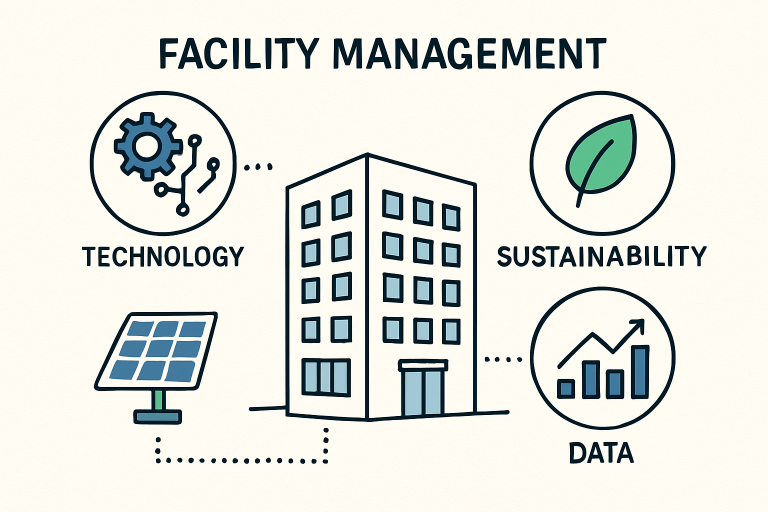
Technology Integration in Facility Management
The integration of advanced technology has transformed the role and scope of facility management. The implementation of smart building systems and the Internet of Things (IoT) means every piece of equipment, lighting fixture, and climate control system can generate actionable data. For example, IoT sensors track occupancy and environmental quality enabling energy use to be dynamically adjusted in real time to meet demand, reducing unnecessary expenditures and maximizing efficiency.
Automated building management systems offer facility managers new levels of control and visibility, with predictive maintenance capabilities that prevent small issues from escalating into costly repairs. Such systems don’t just reduce energy consumption or labor hours they also extend asset lifespans, support employee comfort, and free up facility teams to focus on strategic priorities. A recent Forbes Tech Council overview highlights how AI-driven facilities are setting the pace for the future of property management.
Sustainability Practices and Their Impact
Sustainability isn’t just a buzzword; it’s a fundamental element of modern facility management. Companies that incorporate energy-efficient retrofits such as LED lighting, solar capabilities, or high-efficiency HVAC units set themselves apart while reaping significant cost savings. These efforts not only lower carbon footprints but also translate to lower utility costs and increased asset value, making a compelling business case for sustainability investments.
Going further, organizations that pursue recognized certifications, like LEED (Leadership in Energy and Environmental Design), signal their environmental commitment to clients, customers, and investors. Such milestones provide a reputational boost, enhance tenant and employee satisfaction, and position facilities as responsible stewards for future generations.
Data-Driven Decision Making
Access to large pools of operational data allows businesses to make informed, data-backed decisions that drive facility performance and business success. Analytics platforms identify maintenance patterns, optimize scheduling, and reduce risks of unexpected equipment failure, all while ensuring seamless day-to-day operations. Using predictive analytics, facility managers can intervene before breakdowns occur, reducing costly emergency repairs and operational downtime.
Data-driven practices also help organizations allocate resources for maximum impact and calibrate staffing and inventory needs. This agile approach aligns with larger business goals while delivering concrete returns such as lower total cost of ownership and tighter controls over utility usage.
Empowering the Workforce
A skilled, multi-faceted workforce is indispensable to modern facility management. Investment in ongoing training and upskilling ensures that facility teams can respond to emergencies, maintain regulatory compliance, and deliver top-tier service. Transparent communication channels, coupled with real-time reporting tools and mobile applications, improve staff responsiveness and efficiency, providing instant updates from the field to management dashboards.
Enhancing Team Performance
Regular feedback sessions, clear benchmarks, and opportunities for advancement empower employees and foster a culture of excellence. Facilities that prioritize workforce development enjoy more efficient operations, reduced turnover, and higher morale all of which fuel positive outcomes for the organization as a whole.
Compliance and Risk Management
Amidst an ever-evolving regulatory landscape, companies must be vigilant about compliance across safety, environmental, and workforce domains. Modern facility management systems simplify this task by enabling automated monitoring, digital documentation storage, and regular compliance audits. Providers attuned to industry regulations can proactively identify risks and implement corrective action, shielding businesses from potential legal liabilities or costly operational stoppages.
Routine safety drills, transparent audit trails, and robust incident-tracking processes go a long way toward building confidence among stakeholders. This diligence reduces risks and equips organizations to withstand setbacks and maintain continuity, no matter what challenges arise.
Conclusion
Modern facility management is far more than a background support function it is a decisive driver of business resilience, growth, and stakeholder value. Organizations that embrace technology, prioritize sustainability, use data to inform decisions, and invest in their workforce position themselves to thrive well into the future. By treating facility management as a central business strategy, companies unlock not only operational improvements and cost savings but also bolster their reputations as forward-thinking, responsible, and successful enterprises.