

Imagine cruising down a sunny trail. The wind feels great, but your helmet pinches, overheats, or shifts with every turn. Suddenly, the joy fades. Riders often face this issue. However, a comfortable bike helmet transforms the entire experience. It keeps you protected while letting you focus on the road ahead.
Studies show the impact clearly. Helmets reduce head injury risk by up to 70% and severe brain injury by 74%, according to research from Harborview Medical Center. Moreover, the CDC reports that proper helmet use prevents thousands of injuries each year. Yet comfort plays a huge role in whether people wear them consistently. Thermal discomfort ranks as a top reason cyclists skip helmets, based on European ergonomics studies. For example, a comfortable bike helmet combines smart design with everyday ease. This article explores how those choices make riding safer, longer, and more enjoyable.
Why Comfort Matters More Than You Think
Riders prioritize safety first. However, comfort determines how often you actually wear protection. Discomfort leads to distraction. You adjust straps mid-ride or remove the helmet entirely. That raises risks dramatically.
Research backs this up. Studies from the COST Action TU1101 group highlight thermal comfort as a primary barrier to helmet use. When heads overheat, riders feel miserable. Consequently, they ride less or skip protection altogether. On the flip side, comfortable designs encourage consistent wear. People who love their helmets use them on every ride.
Additionally, comfort ties directly to physical well-being. Heavy or poorly fitted helmets strain neck muscles over time. Lightweight, well-padded options reduce that load. Riders report less fatigue after hours in the saddle. In short, comfort turns a necessity into something you barely notice.
Key Features That Define a Comfortable Bike Helmet
Modern helmets focus on specific elements. Manufacturers engineer these features to keep riders cool, secure, and happy.
Excellent Ventilation
Airflow makes the biggest difference on warm days. Helmets with large, strategically placed vents channel breeze across your scalp. This prevents sweat buildup and overheating.
For instance, road helmets often feature 20 or more vents. Mountain bike models balance protection with openings. Research on thermal comfort shows well-ventilated helmets lower perceived heat by significant margins. Riders stay cooler and ride longer without discomfort.
Moreover, internal channels guide air efficiently. Some designs even align vents with riding position for maximum flow. You feel the difference immediately on climbs or hot afternoons.
Superior Padding and Liners
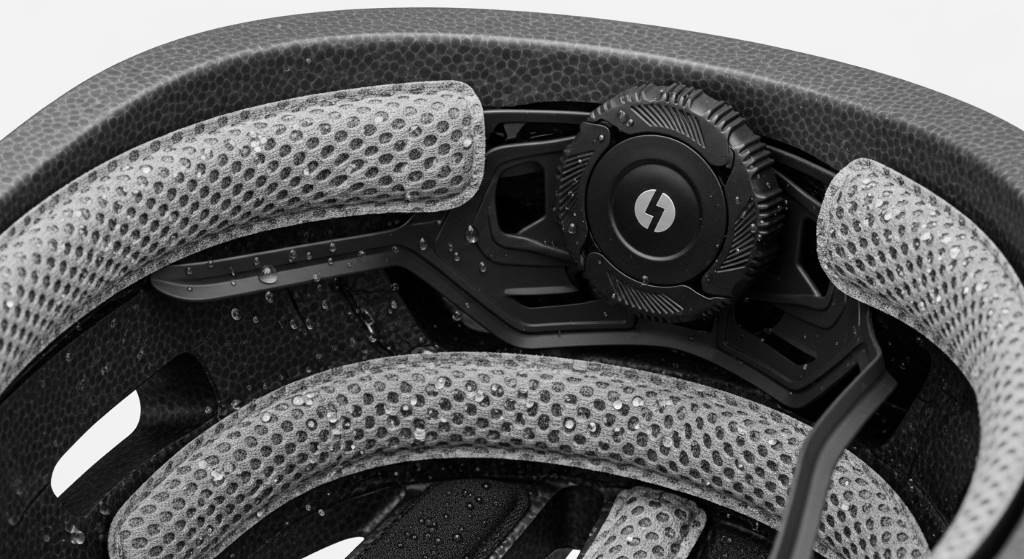
Padding touches your skin directly. Thick, moisture-wicking liners absorb sweat and cushion pressure points. Removable pads allow easy cleaning after sweaty rides.
High-quality foam conforms to your head shape over time. This creates a custom-like fit without hot spots. Antimicrobial treatments keep things fresh ride after ride.
Furthermore, many liners use soft, breathable fabrics. They prevent irritation during long sessions. Comfortable padding turns hours on the bike into pure enjoyment.
Precise Fit Systems
A helmet that shifts ruins everything. Modern retention systems solve this problem. Dial-adjustable dials at the back let you fine-tune fit with one hand.
Vertical adjustment options accommodate different head shapes. Flexible cradles wrap securely without pinching. Proper fit distributes weight evenly across your head.
Studies emphasize fit’s role in both comfort and protection. Helmets that stay put perform better in impacts. Riders who dial in the perfect fit forget they’re wearing anything at all.
Lightweight Construction
Weight matters more than most realize. Heavy helmets tire neck muscles on long rides. Modern materials like in-mold polycarbonate and carbon fiber keep grams low.
Top road helmets weigh under 250 grams. Even full-face mountain options now dip below traditional weights. Less mass means less strain during climbs or extended tours.
Additionally, lightweight designs often pair with better ventilation. You move freely without feeling bogged down. The result? Fresher legs and a happier neck at ride’s end.
How Comfort Directly Boosts Safety
Safety forms the core reason for helmets. Comfort multiplies that protection in real-world use.
First, comfortable helmets increase wearing rates. People who enjoy their gear use it consistently. Studies show discomfort as a leading excuse for going helmet-free.
Second, secure fit enhances protection. Shifting helmets lose effectiveness in crashes. Precise adjustment systems keep everything in place when it matters most.
Third, reduced distraction improves awareness. You focus on traffic and terrain instead of fiddling with straps. Alert riders avoid accidents altogether.
Finally, advanced technologies like MIPS add rotational protection without sacrificing comfort. The low-friction layer slides slightly during angled impacts. This reduces brain strain while maintaining airflow and light weight.
Comfort’s Role in Riding Enjoyment
Picture your favorite route. Now imagine completing it without headaches or sweat-soaked hair. Comfortable helmets make that reality.
Riders extend their adventures when gear feels good. Weekend spins turn into full-day epics. You explore new trails because nothing holds you back.
Moreover, comfort builds confidence. New cyclists stick with the sport longer when helmets don’t intimidate. Families ride together more often with kid-friendly, cozy options.
Social rides become highlights. You chat with friends instead of complaining about heat. Group dynamics improve when everyone stays happy and cool.
Ultimately, enjoyment drives consistency. Consistent riders build skills, fitness, and lifelong passion for cycling.
Performance Benefits You Might Not Expect
Competitive cyclists chase every advantage. Comfort provides subtle but real gains.
Lightweight helmets reduce rotational mass. This helps with quick head movements during sprints or technical sections. Aero designs with smooth venting cut drag without trapping heat.
Better focus comes from eliminating distractions. You maintain rhythm longer when nothing irritates. Climbing feels easier without extra weight pulling backward.
Recovery improves too. Less neck strain means fresher muscles for consecutive ride days. Training consistency rises when post-ride soreness drops.
Even casual riders notice these perks. Commuters arrive at work alert instead of drained. Every pedal stroke feels more efficient.
Choosing and Fitting Your Perfect Helmet
Selection starts with honest assessment. Consider your riding style, climate, and head shape.
Road cyclists prioritize ventilation and low weight. Mountain bikers need visor options and extended coverage. Commuters value visibility features and easy adjustments.
Try multiple brands in person when possible. Sizes vary between manufacturers. Measure your head circumference accurately first.
Fit checklist:
- Level on forehead, about two fingers above eyebrows
- Straps form a V under ears
- Side straps allow only one finger between strap and chin
- Minimal movement when shaking head
- No pressure points after 10 minutes of wear
Adjust dials gradually. Wear the helmet for several minutes in the store. Simulate riding position to check comfort.
Replace helmets after impacts or every 3-5 years. Materials degrade over time. Fresh padding restores that new-helmet feel.
Maintenance Tips for Lasting Comfort
Clean pads regularly with mild soap and water. Air dry completely before reinstalling. This prevents odor and maintains cushioning.
Store away from direct sunlight and extreme temperatures. UV rays weaken shells over time.
Check straps and buckles periodically. Replace worn parts promptly.
Gentle care extends comfort life dramatically. Your favorite helmet stays fresh season after season.
Related:
What Is the “Creak of Death” on a Bike?
Philadelphia Bike Types for Teen: E‑bikes, Gravel, MTB
Real Rider Stories
Sarah, a weekend trail rider, switched to a ventilated model last year. She doubled her average ride distance without headaches. “I used to cut rides short because my old helmet cooked my head,” she shares.
Mark commutes daily in Texas heat. His lightweight aero helmet changed everything. “I arrive at work dry and focused instead of drenched,” he reports.
Professional racer Elena credits fit precision for her podium finishes. “When nothing distracts you, every watt counts,” she explains.
These experiences echo across cycling communities. Comfort consistently transforms good rides into great ones.
The Future of Helmet Comfort
Innovation continues rapidly. New materials promise even lighter weights with better impact absorption. Smart ventilation systems may adjust automatically.
Sustainable options grow too. Recycled materials maintain performance while reducing environmental impact.
Researchers study female-specific fits and diverse head shapes. Inclusive design ensures everyone finds true comfort.
The trend points clearly: comfort and protection will keep improving together.
Conclusion
Comfortable bike helmets do more than protect. They unlock longer, safer, and more enjoyable rides. Key features like ventilation, precise fit, and light weight eliminate common complaints. You ride more often, perform better, and simply have more fun.
Invest time in finding your perfect fit. Try options, adjust carefully, and maintain properly. The difference becomes obvious immediately.
Ready to upgrade your experience? Start shopping for a comfortable bike helmet today. Your next ride will thank you.
FAQs
How often should I replace my bike helmet for optimal comfort?
Replace after any significant impact. Additionally, change every 3-5 years even without crashes. Materials break down over time, reducing both protection and comfort.
Does a more expensive helmet always mean better comfort?
Not necessarily. Price often reflects premium materials or aero design. However, mid-range options frequently offer excellent comfort features. Focus on fit and reviews from similar riders.
Can I add extra padding to improve helmet comfort?
Some brands sell replacement liner kits. Avoid adding random foam, as it can affect safety certification. Proper initial fit usually solves most issues.
Are full-face helmets comfortable for long rides?
Modern lightweight full-face designs have improved dramatically. Good ventilation and padding make them viable for enduro and downhill. However, they remain warmer than open-face options.
How do I know if my helmet fits correctly?
It should sit level, touch all around without pressure points, and stay put when shaking your head. Straps form a V under ears with minimal slack. Wear it 10-15 minutes to check for hot spots.
References
- Effectiveness of bicycle helmets and injury prevention: a systematic review – https://pmc.ncbi.nlm.nih.gov/articles/PMC10220019
- Final report of Working Group 4: Ergonomics of thermal effects – https://www.bicycle-helmets.eu/images/downloads/COST-Action-TU1101_WG4_2015.pdf
- Helmet technology – How it works – https://mipsprotection.com/helmet-technology
- Bicycle Safety – NHTSA – https://www.nhtsa.gov/road-safety/bicycle-safety