
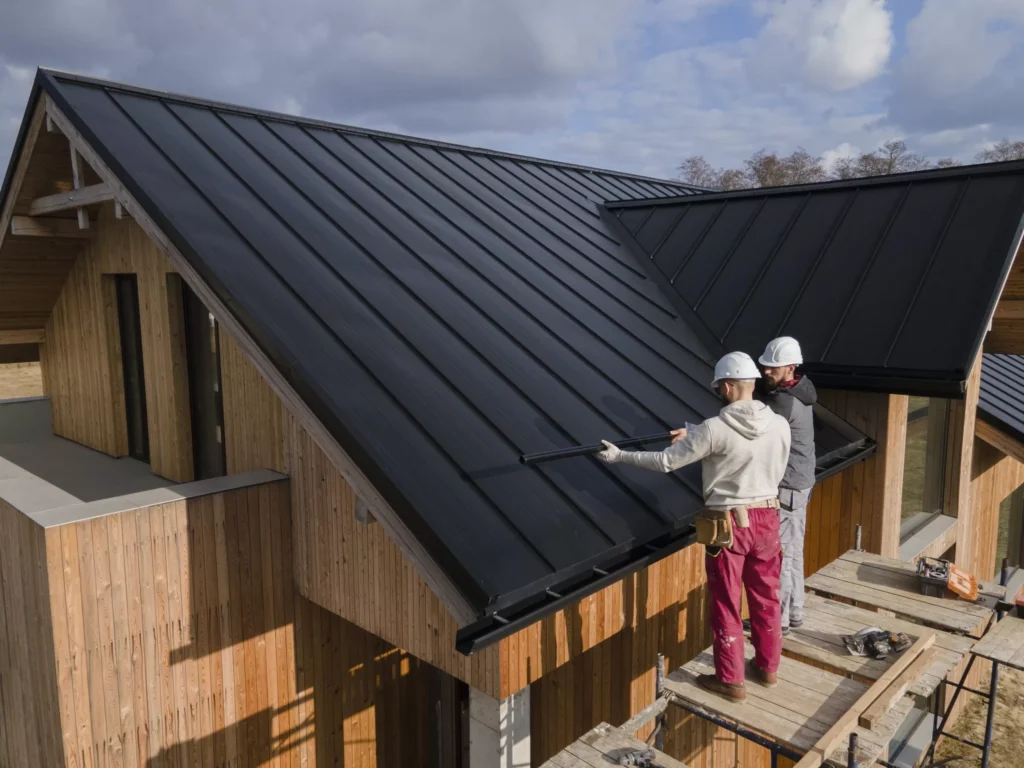
When it comes to roofing styles, hip roofs have an undeniable appeal. Their clean lines and symmetrical design make them a popular choice for homeowners seeking both aesthetics and practicality. But the question often arises: are hip roofs suitable for all climates? To answer this, we’ll delve into the advantages and disadvantages of hip roofs, analyze their performance in various weather conditions, and ultimately determine their overall suitability.
Understanding Hip Roofs: A Closer Look
A hip roof is characterized by four sloping sides that meet at a ridge at the top. This design eliminates the gables found in traditional gable roofs, creating a more streamlined and aerodynamic structure. If you’re curious about how to build a hip roof, it’s essential to understand that hip roofs come in various forms, including the classic hip, pyramid hip, cross hipped, Dutch hip, and the unique Jerkinhead hip roof. To read more about the different types and their construction, you can explore various architectural resources and guides.

Advantages of Hip Roofs
- Stability and Strength: The inward slope of all four sides creates a strong and stable structure. This makes hip roofs ideal for regions prone to high winds, as they offer less surface area for wind to catch and uplift.
- Enhanced Drainage: The sloping design facilitates efficient water runoff, minimizing the risk of leaks, pooling, and structural damage.
- Additional Living Space: Hip roofs often create additional attic space, which can be converted into living areas, storage, or extra insulation.
- Aesthetically Pleasing: Many homeowners find hip roofs more visually appealing than gable roofs due to their symmetry and clean lines.
Disadvantages of Hip Roofs
- Complexity and Cost: Hip roofs are more complex to construct than gable roofs, typically requiring more materials and skilled labor. This translates to higher upfront costs.
- Limited Attic Ventilation: The absence of gables can restrict natural attic ventilation, potentially leading to issues with heat buildup, moisture accumulation, and condensation.
- Snow Accumulation: While the slopes help shed water, they may not be as effective in shedding snow in regions with heavy snowfall. This can lead to increased weight loads and potential structural issues if not properly accounted for.
Hip Roofs in Different Climates
- High-Wind Regions: Hip roofs excel in areas prone to hurricanes, typhoons, or strong gusts. Their aerodynamic shape and sturdy construction make them highly resistant to wind uplift, reducing the risk of roof damage.
- Heavy Rainfall Regions: The sloping design of hip roofs ensures efficient drainage, minimizing the risk of water damage during heavy rainfall. This makes them suitable for regions with frequent and intense precipitation.
- Snowy Regions: While hip roofs might not shed snow as easily as steeply pitched gable roofs, they can still perform well in snowy climates if designed with appropriate pitch and adequate snow load capacity. Adding snow guards can also help prevent snow slides.
- Hot and Dry Climates: Hip roofs can help mitigate heat gain in hot climates, especially when paired with reflective roofing materials and proper insulation. However, ensuring adequate attic ventilation is crucial to prevent heat buildup.
Making the Right Choice
Whether a hip roof is suitable for a specific climate depends on various factors, including local building codes, wind speeds, precipitation patterns, and personal preferences.
- Consult with Professionals: Always consult with a licensed architect or structural engineer to determine the best roofing style and design for your specific location and needs.
- Consider Building Codes: Ensure the chosen roof design complies with local building codes and regulations, especially regarding wind uplift, snow load, and drainage requirements.
- Choose Appropriate Materials: Select roofing materials that are suitable for your climate. For instance, consider reflective materials for hot climates or materials that are resistant to algae growth in humid environments.
In conclusion
Hip roofs can be suitable for a wide range of climates when properly designed and constructed. Their inherent strengths, such as stability, drainage, and aesthetics, make them a popular choice for homeowners. However, it’s essential to consider the specific climatic conditions of your location and consult with professionals to ensure that your hip roof will perform optimally for years to come.