
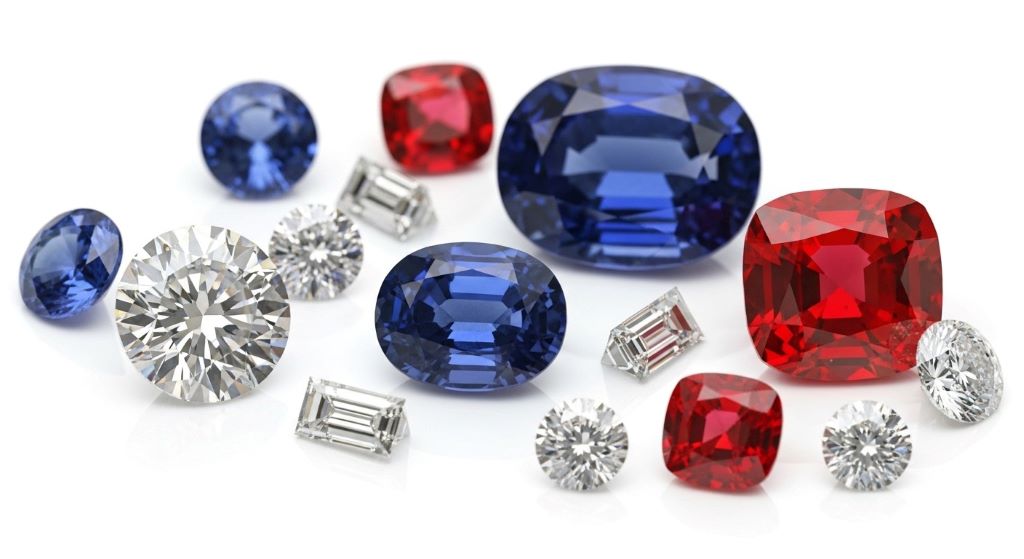
Selecting an engagement ring is one of life’s most meaningful decisions. Beyond beauty and symbolism, durability matters tremendously. After all, this piece of jewelry will be worn every single day for decades to come. Therefore, understanding which gemstones can withstand daily wear becomes essential for making a wise choice.
Many couples focus solely on aesthetics when shopping for engagement rings. However, practical considerations deserve equal attention. A stunning ring that chips or scratches easily will lose its appeal quickly. This article explores how to choose gemstones that combine beauty with resilience, ensuring your engagement ring remains pristine throughout the years.
Understanding Gemstone Durability
Durability in gemstones involves three key factors: hardness, toughness, and stability. Hardness refers to a stone’s resistance to scratching. Toughness describes how well it resists breaking or chipping. Stability indicates how a gemstone reacts to light, heat, and chemicals.
The Mohs scale measures mineral hardness on a scale from 1 to 10. Talc ranks as the softest at 1, while diamond tops the scale at 10. For engagement rings, experts generally recommend stones rating at least 7 on this scale. This threshold ensures the gemstone can handle everyday activities without showing excessive wear.
Additionally, considering toughness matters just as much. Some hard stones can still be brittle. For instance, a gemstone might resist scratches yet crack under impact. Therefore, evaluating both characteristics helps you make an informed decision.
Why Hardness Matters for Daily Wear
Engagement rings face constant exposure to potential damage. Think about how often your hands touch surfaces throughout the day. Doorknobs, countertops, steering wheels, and keyboards all present opportunities for abrasion. Consequently, softer stones develop scratches that dull their appearance over time.
Harder gemstones maintain their polish and brilliance despite regular contact with various surfaces. They preserve their facets and sharp edges, which directly affects how they reflect light. This sustained sparkle keeps the ring looking new for generations.
Furthermore, maintenance becomes simpler with harder stones. Professional cleanings and re-polishing can restore softer gemstones temporarily. However, harder materials require less frequent intervention, saving both time and money over the years.
Top Choices Among the Hardest Gemstones for Rings
Several gemstones stand out for their exceptional durability. These stones have proven themselves through centuries of use in jewelry, particularly in pieces meant for everyday wear.
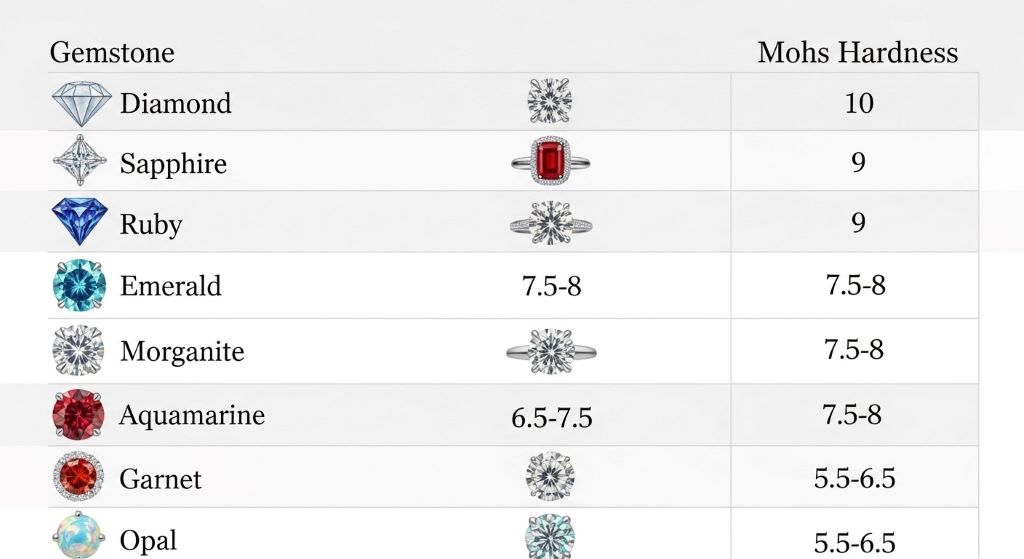
Diamond remains the ultimate choice, rating 10 on the Mohs scale. Its unmatched hardness explains its popularity in engagement rings. Beyond durability, diamonds offer brilliant light performance and timeless appeal. However, their price point doesn’t suit every budget.
Moissanite presents an excellent alternative, rating 9.25 on the hardness scale. This gemstone displays even more fire than diamond, creating rainbow flashes that many find appealing. Moreover, moissanite costs significantly less while offering comparable durability.
Sapphire ranks at 9 on the Mohs scale, making it another superb option. Available in various colors beyond the traditional blue, sapphires provide creative freedom. Pink, yellow, and green varieties offer unique aesthetics while maintaining exceptional hardness.
Ruby also scores 9 on the hardness scale. Chemically identical to sapphire but red in color, rubies symbolize passion and commitment. Their durability matches their romantic appeal, creating a meaningful yet practical choice.
Evaluating Other Durable Options
Beyond the hardest gemstones for rings, several other stones offer adequate durability for engagement wear. These alternatives provide unique aesthetics while still meeting practical requirements.
Alexandrite rates 8.5 on the Mohs scale. This rare gemstone changes color under different lighting conditions, shifting from green in daylight to red under incandescent light. While slightly softer than sapphire, it still provides excellent durability for daily wear.
Chrysoberyl, including cat’s eye varieties, also ranks 8.5 in hardness. These stones display fascinating optical effects while maintaining practical resilience. Their golden to greenish hues offer distinctive beauty.
Topaz scores 8 on the hardness scale. Available in numerous colors, topaz provides affordability combined with reasonable durability. However, it has perfect cleavage, meaning it can split along certain planes if struck precisely. Therefore, protective settings become particularly important with topaz.
Aquamarine and emerald both belong to the beryl family, rating 7.5 to 8 in hardness. Aquamarine’s light blue color evokes ocean tranquility, while emerald’s rich green has captivated people for millennia. Nevertheless, emeralds typically contain inclusions that affect their toughness, requiring extra care despite adequate hardness.
Stones to Approach with Caution
Some popular gemstones look beautiful but lack the durability needed for everyday engagement ring wear. Understanding their limitations helps you make appropriate choices.
Opal rates only 5.5 to 6.5 on the Mohs scale. Despite its mesmerizing play of color, opal scratches easily and can crack from dehydration or impact. If you love opal, consider it for occasional wear jewelry rather than an engagement ring.
Pearl scores even lower at 2.5 to 4.5 in hardness. These organic gems damage easily through scratching, chemicals, and even perspiration. Pearls suit special occasion jewelry but struggle with daily wear.
Tanzanite measures 6.5 to 7 on the hardness scale. While meeting the minimum recommendation, tanzanite also has perfect cleavage in multiple directions. This combination makes it vulnerable to chips and breaks, especially in exposed settings.
Moonstone and labradorite both rate around 6 to 6.5 in hardness. Their ethereal glow attracts many people. However, their softness and perfect cleavage make them risky choices for engagement rings subject to constant wear.
Setting Styles That Enhance Durability
Choosing a durable gemstone represents only half the equation. The setting style significantly impacts how well your ring withstands daily activities. Protective settings can extend the life of even slightly softer stones.
Bezel settings surround the gemstone’s perimeter with metal, offering maximum protection. This style shields the stone’s edges from impact while creating a sleek, modern appearance. Bezel settings work particularly well for stones with good hardness but lower toughness.
Halo settings place smaller diamonds or gemstones around the center stone. This design provides some protection while adding visual impact. The surrounding stones create a buffer zone that reduces direct contact with hard surfaces.
Cathedral settings elevate the center stone with arches rising from the band. This style allows light to enter from multiple angles while keeping the stone secure. However, it offers less physical protection than bezel or halo designs.
Prong settings remain popular for showcasing gemstone beauty. Nevertheless, they expose more of the stone to potential damage. If choosing prongs, ensure they’re thick enough to hold securely and inspected regularly for wear.
Maintenance Tips for Long-Lasting Beauty
Even the most durable gemstones benefit from proper care. Establishing good maintenance habits preserves your ring’s appearance and structural integrity.
Remove your ring during activities that pose particular risks. Gardening, cleaning with harsh chemicals, and exercising can expose your ring to unnecessary hazards. Similarly, take it off before applying lotions or cosmetics that might build up around the setting.
Clean your ring regularly using gentle methods. Warm water with mild dish soap works well for most gemstones. A soft toothbrush helps remove debris from hard-to-reach areas. However, avoid ultrasonic cleaners with emeralds and other included stones.
Schedule professional inspections annually. Jewelers can check for loose prongs, worn settings, or developing issues. Early detection prevents small problems from becoming major repairs or lost stones.
Store your ring properly when not wearing it. A fabric-lined jewelry box with separate compartments prevents different pieces from scratching each other. Additionally, keeping jewelry separated maintains each piece in better condition.
Balancing Beauty, Budget, and Durability
Finding the perfect engagement ring involves balancing multiple factors. Durability shouldn’t overshadow personal style preferences or financial realities. However, it deserves serious consideration in your decision-making process.
Set priorities before shopping. Determine which factors matter most to you and your partner. Some couples value maximum durability above all else. Others prefer unique aesthetics even if it means accepting slightly less resilience.
Consider lifestyle factors carefully. Active individuals who work with their hands need more durable stones than those with desk jobs. Similarly, people who frequently remove jewelry for activities can choose from a broader range of gemstones.
Explore creative solutions when budget constraints exist. Lab-grown diamonds and gemstones offer identical properties to natural stones at lower prices. This option allows you to maximize both size and durability within your budget.
Work with reputable jewelers who understand durability requirements. Experienced professionals can recommend appropriate stones and settings based on your specific needs. Their expertise helps you avoid costly mistakes while finding a ring you’ll love forever.
Making Your Final Decision
Choosing an engagement ring represents a significant commitment. Taking time to understand gemstone durability ensures your investment remains beautiful for decades. The hardest gemstones for rings provide peace of mind alongside aesthetic appeal.
Remember that your engagement ring tells your unique love story. Whether you choose a traditional diamond, a colorful sapphire, or an alternative gemstone, select something meaningful to both partners. Durability simply ensures that meaningful symbol withstands the test of time.
Research thoroughly before making your purchase. Compare different gemstones, examine various settings, and ask plenty of questions. Knowledge empowers you to make confident decisions that you won’t regret.
Trust your instincts while respecting practical considerations. The perfect engagement ring balances emotional resonance with functional durability. When you find that sweet spot, you’ll know you’ve made the right choice.
Conclusion
Selecting a durable gemstone for your engagement ring requires understanding hardness, toughness, and stability. The hardest gemstones for rings, including diamonds, moissanite, sapphires, and rubies, offer exceptional resistance to daily wear. Other options like alexandrite and chrysoberyl provide good durability with unique aesthetics.
However, some beautiful stones lack the hardness needed for constant wear. Opals, pearls, and moonstone require special care and may suit occasional wear better. Protective settings, proper maintenance, and lifestyle considerations all influence how well your ring endures through the years.
Ultimately, the best engagement ring combines personal meaning with practical durability. By understanding gemstone properties and making informed choices, you’ll select a ring that remains stunning throughout your lifetime together. Take your time, do your research, and choose wisely for a symbol of love that truly lasts forever.
Frequently Asked Questions
What is the minimum hardness rating recommended for engagement ring stones?
Experts generally recommend gemstones with a Mohs hardness rating of at least 7 for engagement rings. This threshold ensures the stone can withstand daily wear without developing excessive scratches. Stones rating 8 or higher offer even better durability for active lifestyles.
Can I use softer gemstones if I choose a protective setting?
While protective settings like bezels help safeguard softer stones, they cannot completely eliminate wear risks. If you love a softer gemstone, consider it for occasional wear jewelry or accept that more frequent maintenance will be necessary to keep it looking beautiful.
How does diamond compare to moissanite in terms of durability?
Diamond rates 10 on the Mohs scale, while moissanite scores 9.25, making both extremely durable for daily wear. The practical difference in hardness is negligible for engagement ring purposes. Both stones resist scratching and maintain their brilliance exceptionally well over time.
Do lab-grown gemstones have the same durability as natural stones?
Yes, lab-grown gemstones possess identical physical and chemical properties to their natural counterparts. A lab-grown diamond is just as hard as a mined diamond. Similarly, lab-created sapphires match natural sapphires in durability, offering the same resistance to scratching and damage.
How often should I have my engagement ring professionally inspected?
Schedule professional inspections at least once annually to check for loose stones, worn prongs, and other potential issues. If you lead an active lifestyle or notice any changes in how your ring fits or looks, have it examined more frequently to prevent stone loss or damage.
Related Topics:
Beautiful Handfasting Cord Patterns: Braiding & Decoration Ideas
Headphone Cases and Stands: Style Meets Protection – The Ultimate Guide for Audio Enthusiasts