

Setting up a functional and visually appealing horse-jumping course requires a practical understanding of the costs associated with each component. Whether you are outfitting a new facility or upgrading an existing arena, being informed about where your money goes can help you budget effectively while prioritizing safety. Riders and barn owners often choose colorful horse jumps to enhance the attractiveness of their training or show courses, making cost analysis even more crucial for decision-making.
The price of horse-jump elements varies widely depending on materials, craftsmanship, and safety features. Incorporating colorful horse jumps can add aesthetic appeal but may also influence costs depending on paint, finish, or customization. Thorough planning and comparison shopping ensure that the final course meets both your budget and performance expectations. By breaking down the primary components, you can identify where to allocate funds for the biggest impact. This article explains typical costs, highlights maintenance requirements, and offers tips to get the most value from your investment.
Because horse jumping courses involve many moving parts, understanding expenses from the posts and rails to add-on features helps you avoid surprise costs. Prioritizing safety, durability, and regular upkeep is always a wise approach for any facility.
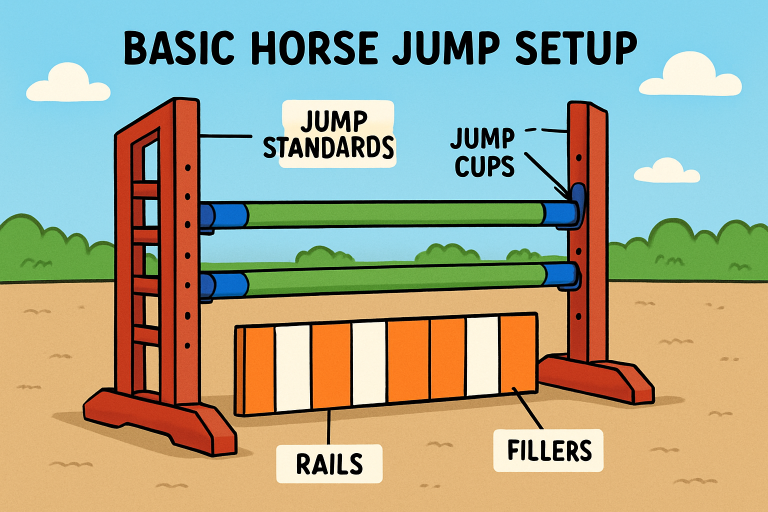
Jump Standards
Jump standards are the vertical supports that frame the ends of every horse jump. Their design, material, and size largely determine the price range you will encounter during your search.
- Wooden Standards: Typically range from $100 to $200 per pair. These offer a classic look but often require more frequent maintenance to prevent rot and weathering.
- Metal Standards: Priced between $150 and $300 per pair. Metal standards are known for their durability and are popular for facilities seeking adjustable, long-lasting options.
Rails or Poles
Rails, also called poles, are the horizontal barriers that horses leap over. Material choices affect both function and price.
- Wooden Rails: Approximately $20 to $50 each. Wooden rails are sturdy but can become heavy over time, and weather conditions may reduce their lifespan.
- Plastic or PVC Rails: Range from $30 to $60 each. Plastic rails are lightweight and require less maintenance, making them a sensible option for many trainers and showgrounds.
Jump Cups
The cups hold rails securely in place at designated heights. Safety and ease of adjustment are primary purchasing concerns.
- Standard Metal Cups: Cost between $10 and $20 per pair. These are sturdy, reliable, and easy to use across most settings.
- Safety Cups: Priced around $25-$40 per pair. Safety cups are designed to release the rail when impacted, lowering risk during training and competition.
Fillers and Decorations
Fillers and decorative elements add color, variety, and challenge to jumping courses. Their price is determined by size, material, and complexity of design.
- Planks and Gates: Range from $50 to $150 each. These are often chosen for visual appeal and to introduce varying challenges to horses.
- Walls and Panels: Can cost between $100 and $300 each. Larger, more solid obstacles are typical in higher-level competition and require heavier construction.
Safety Features
Modern jump construction often involves additional safety elements to minimize risk for both horse and rider.
- Breakaway Pins: Approximately $20-$30 each. These devices enable rails to fall away more easily on impact.
- Frangible Devices: Cost between $50 and $100 per set. Frequently seen in eventing, frangible technology is designed to further reduce injury in the event of a fall.
Maintenance and Replacement Costs
Consistent maintenance extends the life and effectiveness of jump equipment. Paint, periodic repairs, and occasional replacement help keep courses safe and appealing year-round.
- Paint and Sealant: Expect annual costs of $50 to $100 to protect and freshen wooden standards and rails.
- Replacement Rails: Regularly replacing a few rails can cost $100 to $200 per year, depending on usage and environment.
Additional Considerations
- Quantity Discounts: Buying in bulk can significantly lower the cost per jump compared to purchasing items individually.
- Shipping Costs: Since standards and rails are heavy and bulky, shipping fees can increase your total expenditure.
- Customization: Custom-painted jumps or those featuring branding and logos come with additional charges, reflecting both labor and materials.
Final Thoughts
Creating a horse-jumping course that is both functional and visually appealing requires careful planning, informed purchasing, and ongoing maintenance. Investing in quality components such as colorful horse jumps, durable rails, and reliable safety features enhances performance and challenge for riders and adds aesthetic appeal to your arena. Understanding costs upfront, considering maintenance requirements, and prioritizing safety ensures that your investment delivers long-term value and enjoyment.