
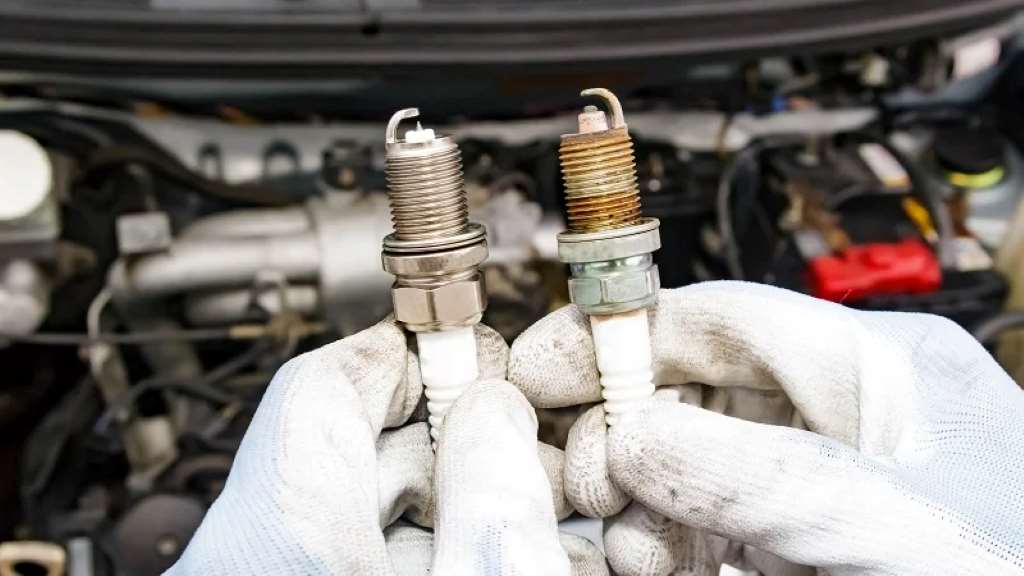
The ignition coil is a critical component of your vehicle’s engine, responsible for generating the high voltage necessary to ignite the fuel and air mixture in the cylinders. When an ignition coil fails, it can cause a range of problems, from reduced engine performance to complete engine failure. To better understand ignition coil issues and maintenance tips, explore Bulksgo blog for in-depth insights and solutions that can keep your engine running smoothly. In this article, we will discuss the common symptoms of a bad ignition coil, helping you identify and address the issue before it leads to more severe damage.
Common Symptoms of a Bad Ignition Coil

- Check Engine Light One of the most common indicators of a faulty ignition coil is the illumination of the check engine light on your dashboard. While this light can signal various problems, a failing ignition coil often triggers specific diagnostic trouble codes (DTCs) related to misfires. Using an OBD-II scanner, you or a mechanic can read these codes to pinpoint the problematic cylinder and determine if the ignition coil is the culprit. It’s essential to address this issue promptly, as neglecting it could lead to further engine damage, much like how a cardboard flash point can indicate a risk of fire if not monitored properly.
- Engine Misfires A misfire occurs when the fuel-air mixture in a cylinder fails to ignite properly. This can result in a noticeable loss of power, rough idling, and even jerking or shaking sensations while driving. If your engine is misfiring, a faulty ignition coil is a likely cause, especially if the misfires are consistent or isolated to a specific cylinder.
- Difficulty Starting the Engine The ignition coil provides the spark necessary to initiate the combustion process. If the coil is weak or failing, it may struggle to generate enough voltage to create a strong spark, leading to difficulty starting the engine. You might experience extended cranking times or require multiple attempts to get the engine running.
- Reduced Fuel Efficiency When an engine misfires due to a bad ignition coil, unburned fuel can pass into the exhaust system. This not only wastes fuel but also increases emissions and can damage the catalytic converter. If you notice a sudden decrease in your vehicle’s fuel economy, a faulty ignition coil could be the underlying cause.
- Backfiring Backfiring is a loud popping or banging sound that occurs when unburned fuel ignites in the exhaust system. This can be caused by a variety of issues, including a faulty ignition coil. If your vehicle is backfiring, it’s essential to have it inspected to identify the root cause and prevent further damage.
- Rough Idling A failing ignition coil can disrupt the smooth operation of the engine, particularly at idle. You might notice the engine vibrating excessively or running unevenly when the vehicle is stationary. This rough idling can be accompanied by a noticeable drop in RPM or even stalling.
- Loss of Power The ignition coil plays a crucial role in delivering the energy required for efficient combustion. When the coil is malfunctioning, the engine may experience a noticeable loss of power, particularly during acceleration or when under load. This can manifest as sluggish performance, difficulty climbing hills, or an overall lack of responsiveness.
- Increased Emissions As mentioned earlier, a faulty ignition coil can lead to incomplete combustion and increased emissions. This can cause your vehicle to fail emissions tests and contribute to environmental pollution. If you’re concerned about your vehicle’s emissions, it’s crucial to address any ignition coil problems promptly.
Causes of Ignition Coil Failure
Several factors can contribute to the failure of an ignition coil, including:
- Age and Wear: Like any mechanical component, ignition coils have a limited lifespan and can deteriorate over time due to constant exposure to high temperatures and electrical currents.
- Excessive Heat: The engine compartment can reach extremely high temperatures, which can stress the ignition coil and accelerate its wear.
- Vibration: Constant engine vibrations can also take a toll on the ignition coil, leading to cracks or damage to internal components.
- Damaged Spark Plugs or Wires: Worn-out spark plugs or damaged spark plug wires can place additional strain on the ignition coil, increasing the likelihood of failure.
- Oil Leaks: Oil leaks can contaminate the ignition coil and disrupt its operation, leading to premature failure.
Diagnosing and Replacing a Bad Ignition Coil
If you suspect your vehicle has a bad ignition coil, it’s essential to have it diagnosed by a qualified mechanic. They can use specialized tools, such as an OBD-II scanner and a multimeter, to test the coil’s resistance and voltage output, confirming its functionality.
Replacing an ignition coil is typically a straightforward procedure, but it’s important to follow the correct steps and use the appropriate tools to avoid damaging other engine components. In most cases, it’s recommended to replace all ignition coils simultaneously to ensure consistent performance and prevent future issues.
Conclusion
Recognizing the symptoms of a bad ignition coil is crucial for maintaining your vehicle’s performance and preventing more severe engine damage. If you experience any of the signs mentioned in this article, don’t hesitate to seek professional assistance. Regular maintenance, including spark plug replacements and addressing oil leaks, can also help prolong the life of your ignition coils and ensure smooth engine operation.