
Key Takeaways
- Raimo Scrap Iron & Metal can help businesses plan for scrap removal, delivery, pickup, and container needs.
- Separating metal types before service can make weighing and material evaluation easier.
- Steel, iron, copper, brass, aluminum, appliances, and automotive-related metals may require different handling.
- Load size, site access, material condition, and current market conditions can affect service arrangements and payouts.
- Customers should confirm accepted materials, operating hours, identification requirements, and payment procedures directly with the facility.
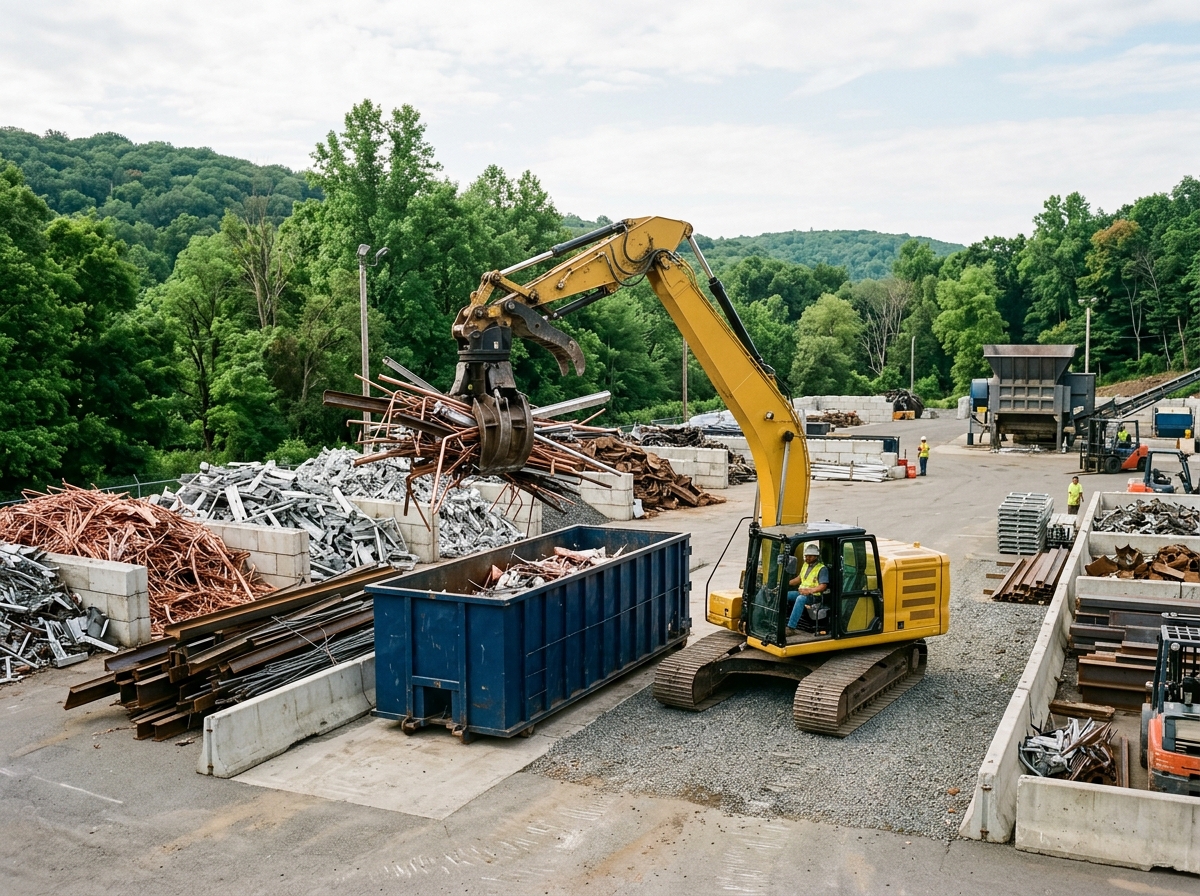
Businesses managing renovation debris, retired equipment, production offcuts, or heavy metal waste need a practical way to clear space and keep recyclable materials out of the ordinary trash stream. For companies searching for commercial metal recycling near me Sussex County, NJ, Raimo Scrap Iron & Metal provides a nearby point of contact for discussing scrap delivery, pickup needs, and container service.
Located at 49 U.S. Route 206 in Byram Township, Raimo Scrap Iron & Metal serves as a local option for commercial, industrial, and residential scrap needs in Sussex County and surrounding North Jersey communities. Contractors, property managers, manufacturers, fleet operators, and homeowners can contact the facility to confirm current acceptance requirements before bringing in a load.
Why Businesses Turn to Raimo Scrap Iron & Metal
Scrap accumulates quickly on active job sites and commercial properties. A demolition contractor may have structural steel, fixtures, wiring, and appliance components. A manufacturer may have recurring production scrap. A property manager may need to remove old equipment during a renovation. In each case, keeping bulky material onsite can take up valuable working space and create unnecessary clutter.
Raimo Scrap Iron & Metal gives customers a local place to ask how a load should be handled. Instead of assuming every item belongs in one mixed pile, a business can describe the material, approximate quantity, loading conditions, and preferred timing. That information helps determine whether self-delivery, onsite pickup, or a container is the better approach.
Materials That May Be Part of a Commercial Scrap Load
Metal loads vary widely, so customers should always verify acceptance before scheduling service or delivery. Common categories worth discussing with Raimo Scrap Iron & Metal include:
- Ferrous metals: Iron, steel, structural material, appliances, machinery, and heavy equipment components.
- Nonferrous metals: Copper, brass, aluminum, and other metals that should be kept separate when practical.
- Automotive scrap: Junk vehicles, vehicle parts, and metal components that may require documentation or preparation.
- Commercial and demolition scrap: Metal fixtures, piping, shelving, equipment, production offcuts, and renovation debris.
Condition matters. Loads containing wood, plastic, insulation, electronics, fluids, batteries, refrigerants, or other non-metal materials may need additional preparation or may have restrictions. Calling ahead is especially important for oversized, mixed, unusual, or potentially regulated items.
How Pickup and Container Service Can Simplify Cleanup
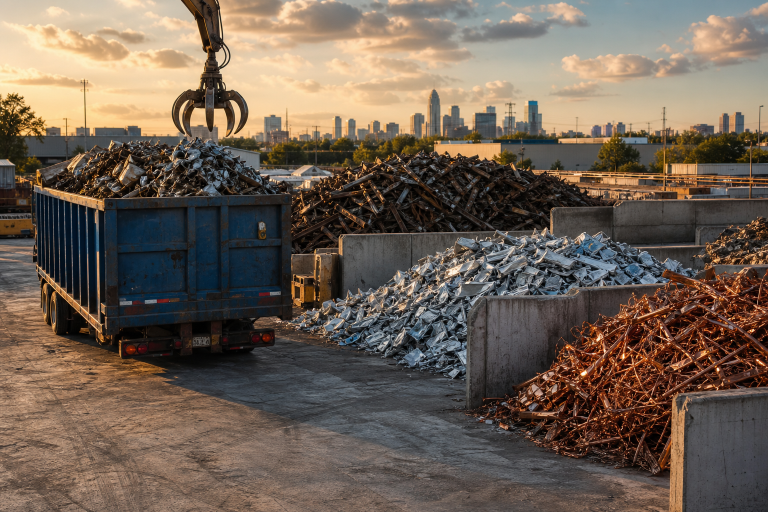
Transporting scrap is not always realistic for a business. Heavy material may require equipment to load, a large project may generate scrap over several days, or a site may not have enough room to stage material safely. In those situations, ask Raimo Scrap Iron & Metal whether on-site pickup or a container can be arranged for the specific project.
For example, a contractor completing an interior demolition can separate copper wiring and brass fittings from steel studs and mixed metals. The contractor can then provide the job-site address, estimated volume, access details, and target pickup date. Clear information helps avoid delays caused by blocked access, insufficient space for equipment, or material that was not included in the original request.
Why Sorting and Weighing Matter
Material separation supports a clearer recycling transaction. Keeping copper, brass, aluminum, steel, and mixed scrap in separate groups can make it easier to identify each category during evaluation. Removing obvious trash or non-metal debris also helps a business understand what it is delivering and can reduce complications at the scale.
Useful Preparation Steps
- Separate higher-value nonferrous metals from steel and mixed scrap where feasible.
- Remove loose trash and non-metal attachments when it is safe and practical to do so.
- Document the project location, material type, and approximate quantity for internal records.
- Ask about special rules for vehicles, appliances, batteries, refrigerants, or equipment with fluids.
- Confirm whether the facility needs identification, ownership paperwork, or other documentation.
What National Recycling Data Shows
Metal recovery remains an important part of the broader recycling system. The U.S. Environmental Protection Agency reports that 19.2 million tons of ferrous metals were generated in the municipal solid waste stream in 2018, while 6.36 million tons were recycled. Those ferrous metal recycling figures are national municipal-waste data, not a measure of any individual recycler’s volume or results.
Commercial, industrial, automotive, and demolition loads can differ substantially from household waste data. Still, the figures illustrate why proper sorting and recovery matter. Metal that can be identified and processed as recyclable material has a different path than material discarded as general waste.
Environmental Responsibility Starts With Proper Handling
Responsible scrap management is not only about recovering metal. It also means paying attention to materials that can create environmental or safety concerns, including vehicle fluids, batteries, refrigerants, and residues from equipment. New Jersey regulates certain industrial stormwater activities, and its vehicle recycling stormwater permit information reflects the importance of controlling potential pollutants at applicable facilities.
Customers can support cleaner material streams by not mixing hazardous or questionable materials into a scrap load. When in doubt, describe the item before delivery rather than assuming it can be accepted.
How to Request Service From Raimo Scrap Iron & Metal
- Identify the metal types and estimate the load size.
- Decide whether self-delivery or pickup is more practical.
- Share the project address, site access details, and preferred timing.
- Ask whether a container is available and appropriate for the material.
- Confirm acceptance, paperwork, pricing practices, and current operating details by calling 973-347-4545.
Frequently Asked Questions
Does Raimo Scrap Iron & Metal help commercial customers?
Businesses can contact Raimo Scrap Iron & Metal to discuss commercial scrap loads, pickup needs, containers, and delivery options based on the project.
Can a business bring mixed metals?
Mixed loads should be discussed in advance. Separating materials where practical may make evaluation and weighing more straightforward.
Can junk vehicles or appliances be recycled?
Vehicle and appliance requirements can vary, particularly when paperwork, refrigerants, batteries, or fluids are involved. Confirm preparation and acceptance rules before arranging service.
In Summary
Raimo Scrap Iron & Metal is a practical local contact for businesses that need to manage recyclable metal in Sussex County, NJ. By identifying materials early, separating scrap when possible, and confirming pickup or delivery details in advance, customers can make commercial cleanup and recycling projects more efficient.