
Key Takeaways
- Understand the occasion to guide your wine selection.
- Pair wine with food to enhance flavors.
- Consider your guests’ preferences and dietary restrictions.
- Set a budget to narrow down your choices.
- Seek advice from knowledgeable sources when in doubt.
Selecting the right wine can elevate any event, from casual dinners to grand celebrations. With countless options available, making the perfect choice might seem daunting. However, by considering a few key factors, you can confidently pick a wine that complements the occasion and delights your guests. For those in the Chicago area, Uncork It, a renowned liquor store downtown Chicago, offers an extensive selection of wines to suit any event. Located at 353 East Illinois Street, Uncork It specializes in beer, wine, and spirits, offering both in-store shopping and convenient delivery.
Understand the Occasion
The nature of the event plays a significant role in your wine selection. For casual gatherings, opt for approachable wines like a crisp Sauvignon Blanc or a light Pinot Noir. Formal dinners may call for more sophisticated choices, such as a full-bodied Cabernet Sauvignon or an elegant Chardonnay. Celebrations often pair well with sparkling wines like Champagne or Prosecco, adding a festive touch to the occasion.
Pairing Wine with Food
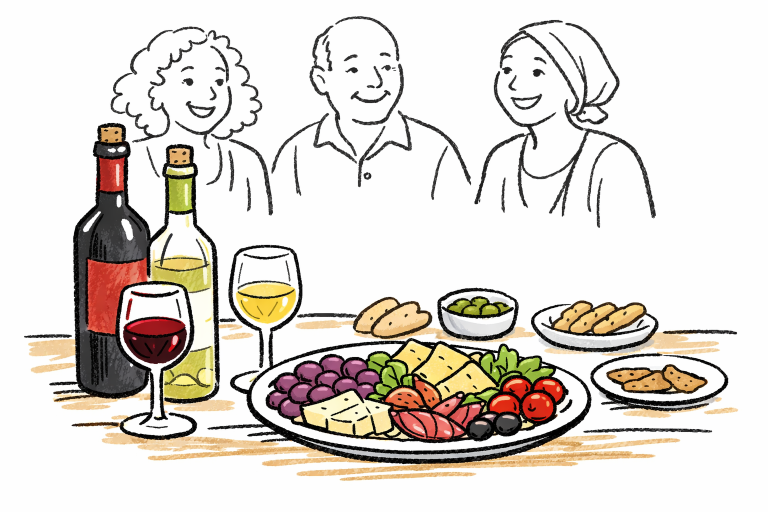
Matching wine with the menu enhances the dining experience. A general rule is to pair white wines with lighter dishes and red wines with heavier meals. For instance, a zesty Sauvignon Blanc complements seafood, while a robust Malbec pairs well with grilled meats. Remember, the goal is to balance flavors, ensuring neither the food nor the wine overpowers the other.
Consider Your Guests’ Preferences
Understanding your guests’ tastes and dietary restrictions is crucial. If you’re unsure of their preferences, offering a selection of both red and white wines gives everyone options. Additionally, having a non-alcoholic alternative ensures all guests feel included.
Set a Budget
Determining your budget beforehand helps narrow down choices and prevents overspending. Quality wines are available at various price points, so you can find excellent options without breaking the bank. Remember, a higher price doesn’t always equate to better quality.
Seek Expert Advice
When in doubt, consult with knowledgeable sources. Local wine shops often have experienced staff who can provide recommendations based on your needs. Additionally, online resources and reviews can offer valuable insights into different wines and their suitability for various occasions.
Storing and Serving Wine
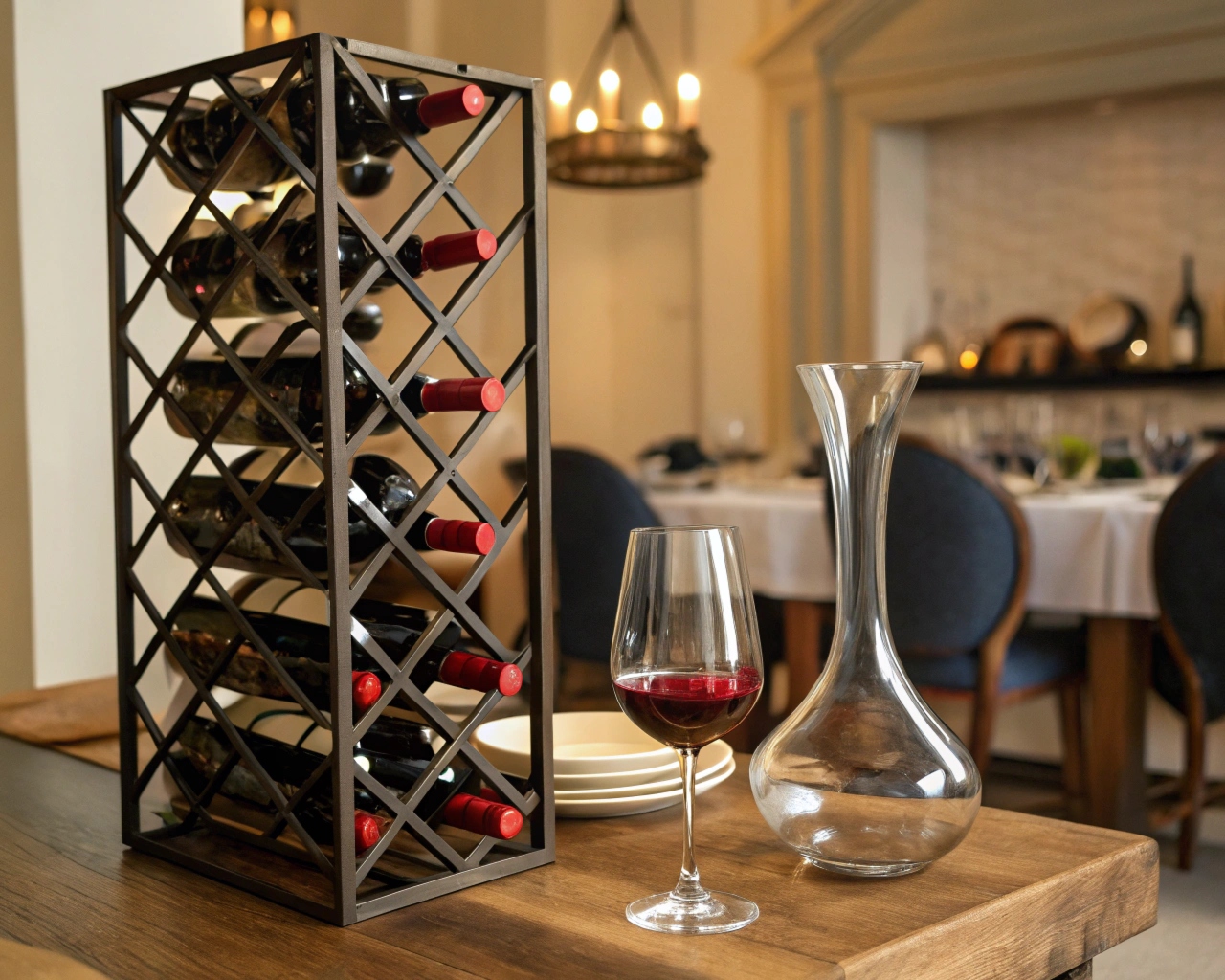
Proper storage and serving techniques ensure your wine is enjoyed at its best. Store bottles in a cool, dark place with a consistent temperature. Before serving, chill white wines and allow red wines to breathe. Using appropriate glassware also enhances the tasting experience.
Exploring New Varieties
Don’t hesitate to explore unfamiliar wines. Trying new varieties can introduce you and your guests to exciting flavors and pairings. Visiting local wine tastings or festivals can be a fun way to discover new favorites.
Understanding Wine Labels
Many wine enthusiasts find wine labels confusing at first glance. Knowing how to read a wine label is invaluable for making informed selections. Pay attention to the country or region of origin, which often influences the wine’s style and flavor profile. Additionally, look for information about the grape variety, vintage year, and producer. Recognizing terms such as “estate bottled,” “reserve,” or “grand cru” can further help you identify higher-quality options and understand what sets certain bottles apart.
The Importance of Temperature and Glassware
Wine temperature plays a crucial role in bringing out each wine’s optimal characteristics. As a rule, serve white wines chilled, ideally between 45°F and 55°F (7 °C and 13°C), whereas red wines are best at slightly below room temperature, around 60 to 65°F (15 to 18°C). Sparkling wines benefit from a well-chilled presentation, which helps maintain their effervescence. The shape of glassware also influences the wine-tasting experience. Glasses with a wider bowl are ideal for reds, allowing the aromas to develop, while narrower bowls preserve the crispness of whites.
Wine for Special Diets
If you have guests with dietary restrictions, consider options like vegan, organic, or low-sulfite wines. Many wineries now offer wines suited for specific needs, such as gluten-free or certified organic varieties. These wines undergo rigorous standards during production, ensuring everyone can enjoy a glass without worry. Always check for certification labels on the bottle, and don’t hesitate to ask for assistance when searching for specialty wines at your local shop.
Building a Versatile Wine Collection
For those hosting frequent gatherings, keeping a small collection of versatile wines on hand can prove invaluable. Stocking up on widely-loved varietals, such as Chardonnay, Pinot Noir, Cabernet Sauvignon, and Rosé, ensures you are prepared for any spontaneous get-together. Consider including dessert wines like Port or Moscato for sweet finishes, or unique blends and rosés for those seeking something a bit different. Occasionally, rotating your stock by trying a new bottle or vintage will keep your parties fresh and engaging.
Planning for Quantity: How Much Wine to Serve?
When planning an event, estimating wine quantities can prevent running short or overspending. A standard bottle contains about five glasses. For a two-hour gathering, anticipate about one glass per guest per hour. If your group prefers wine to other beverages, it’s wise to have extra bottles on hand. Factor in the duration of your event and whether multiple wine varieties will be poured, ensuring every guest is well served throughout the event.
Conclusion
Choosing the perfect wine for any occasion involves considering the event’s nature, menu, guest preferences, and budget. By keeping these factors in mind and seeking expert advice when needed, you can select a wine that enhances the experience and leaves a lasting impression on your guests. Whether you’re hosting an intimate dinner or a festive celebration, thoughtful wine selection can transform an ordinary gathering into a memorable event. Remember, the world of wine is vast and welcoming, exploration and openness are just as important as expertise, ensuring enjoyment for you and everyone you host.