
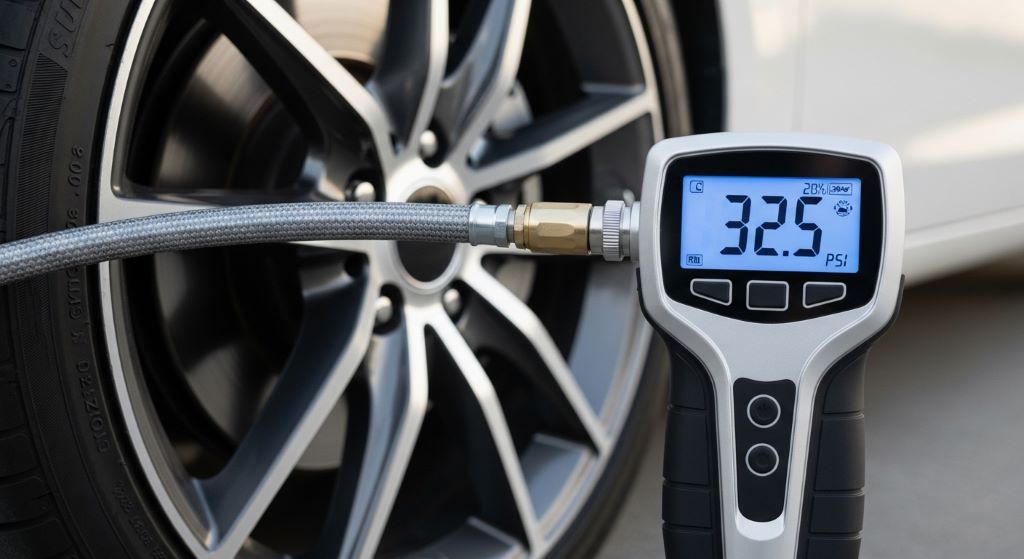
Maintaining proper tire pressure is crucial for vehicle safety and performance. Every driver faces the inconvenience of low tire pressure at some point. Whether you’re preparing for a road trip or dealing with a slow leak, having the right inflation device makes all the difference. Modern technology has transformed these essential tools into sophisticated devices that offer convenience and reliability.
Choosing the right equipment requires understanding your specific needs and the available options. The market offers countless models with varying features and price points. However, not all devices are created equal. This comprehensive guide will help you navigate the selection process and find the perfect match for your vehicle and lifestyle.
Understanding Modern Tire Inflation Technology
The automotive tool industry has evolved significantly in recent years. Traditional gas station air pumps are no longer your only option. Today’s devices combine portability with powerful performance. Additionally, they incorporate smart features that make tire maintenance easier than ever before.
Digital technology has revolutionized how these tools operate. Modern units feature accurate pressure gauges and automatic shut-off functions. Furthermore, many models include LED displays that show real-time pressure readings. This precision ensures your tires maintain optimal pressure for safety and fuel efficiency.
Power sources have diversified considerably. Corded models plug into your vehicle’s 12-volt outlet. Cordless versions use rechargeable batteries for ultimate portability. Some advanced units even offer dual power options. Therefore, you can choose based on your typical usage scenarios and convenience preferences.
Inflation speed has improved dramatically over older models. Compact devices can now inflate a standard car tire in just a few minutes. Moreover, higher-end units deliver even faster performance. This efficiency saves valuable time during emergencies or routine maintenance tasks.
Key Features to Consider When Shopping
Understanding essential features helps you make an informed purchasing decision. Different features serve different purposes and user needs. Consider which characteristics matter most for your specific situation.
Maximum pressure capability determines what you can inflate. Most car tires require 30 to 35 PSI. However, SUVs and trucks often need higher pressures. Additionally, bicycle tires and sports equipment require different pressure ranges. Choose a device that handles all your inflation needs comfortably.
Flow rate affects how quickly you can complete inflation tasks. Measured in liters per minute, higher flow rates mean faster inflation. Nevertheless, extremely high flow rates aren’t necessary for passenger vehicles. Balance speed with other important features when making your choice.
Accuracy matters significantly for proper tire maintenance. Look for devices with pressure gauges accurate to within one PSI. Furthermore, digital displays generally provide more precise readings than analog gauges. This precision helps prevent over-inflation or under-inflation issues.
Portability influences how and where you can use your device. Compact, lightweight models fit easily in your trunk. Meanwhile, larger units might offer more power but sacrifice storage convenience. Consider your storage space and typical usage locations.
Durability ensures your investment lasts through years of use. Quality construction materials resist wear and weather damage. Moreover, reliable brands often provide better warranties and customer support. These factors contribute to long-term value and peace of mind.
Different Types of Tire Inflators Available
The market offers several distinct categories of inflation devices. Each type has unique advantages and limitations. Understanding these differences helps you select the most appropriate option.
Portable electric models represent the most popular choice for personal use. These compact units run on battery power or vehicle outlets. They’re perfect for emergency roadside situations. Additionally, they work well for regular tire pressure maintenance at home. Most drivers find these devices offer the best balance of features.
Heavy-duty compressors provide professional-grade performance. These powerful units inflate tires rapidly and handle demanding jobs. However, they’re typically larger and more expensive. Commercial users and serious automotive enthusiasts prefer these robust options.
Foot-pump models offer a manual alternative to electric devices. They require physical effort but need no power source. These simple tools work anywhere without electricity. Nevertheless, they’re slow and tiring for regular use. Consider them as backup options rather than primary tools.
CO2 cartridge inflators provide quick emergency inflation. Cyclists commonly use these lightweight devices. They’re extremely portable and easy to operate. However, cartridges are single-use and require replacement. This makes them impractical for regular automotive tire maintenance.
Combination units offer multiple functions beyond tire inflation. Many include built-in flashlights, USB charging ports, and jump-start capabilities. Furthermore, some models inflate sports equipment and camping gear. These versatile tools provide excellent value for money.
Essential Safety Features to Look For
Safety should be your top priority when selecting inflation equipment. Modern devices incorporate various protective features. These mechanisms prevent accidents and equipment damage during operation.
Automatic shut-off technology prevents over-inflation accidents. You set your desired pressure, and the device stops automatically. This feature protects your tires from damage. Moreover, it allows you to multitask while the device works. You don’t need to monitor the process constantly.
Thermal protection prevents overheating during extended use. Quality devices include sensors that detect excessive temperatures. The unit automatically shuts down before damage occurs. Additionally, cooling periods between uses extend equipment lifespan. This protection is crucial for devices used frequently.
Pressure relief valves provide an additional safety layer. If pressure builds too high, the valve releases excess air. This prevents equipment failure and potential injuries. Furthermore, it protects your tires from dangerous over-inflation.
LED lighting enhances safety during nighttime operations. Built-in work lights illuminate your tire and surrounding area. This visibility reduces the risk of accidents. Additionally, many models include emergency flashers or warning lights. These features increase your visibility to passing traffic.
Cord and hose length affect safe operation. Longer cords and hoses let you maintain safe distances from traffic. You can work comfortably without stretching or straining. However, extremely long cords can create tripping hazards. Find a balance that works for your typical usage scenarios.
Power Options and Their Advantages
Understanding power sources helps you choose the most convenient option. Different power types suit different usage patterns and preferences. Consider where and how you’ll typically use your device.
12-volt DC power connects directly to your vehicle’s cigarette lighter or power outlet. This option ensures you always have power when needed. Additionally, it eliminates concerns about battery charging. However, you’re limited to locations near your vehicle. The cord length determines your working radius.
Battery-powered models offer ultimate flexibility and portability. You can use them anywhere without external power sources. Modern lithium-ion batteries provide impressive runtime. Furthermore, they recharge quickly and maintain charge for months. This independence makes them ideal for camping, biking, and remote locations.
AC-powered units plug into standard household outlets. They’re perfect for garage use and home maintenance. These models often deliver consistent, powerful performance. Nevertheless, they’re useless away from electrical outlets. Consider them if you primarily need indoor capability.
Dual-power devices combine multiple power options in one unit. They accept both AC and DC power sources. Some even include rechargeable batteries. Therefore, you enjoy maximum versatility across all situations. This flexibility justifies the typically higher price point.
Solar-powered options represent an emerging category. These eco-friendly devices recharge using sunlight. They’re perfect for environmentally conscious users. However, current technology limits their power and efficiency. Consider them supplementary rather than primary tools for now.
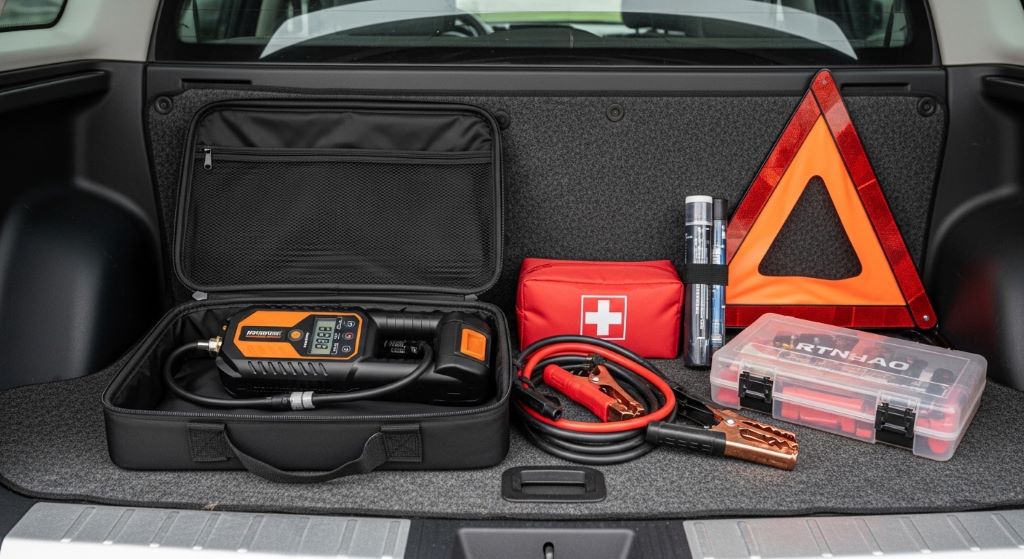
Digital Displays and Preset Functions
Advanced digital features simplify tire maintenance significantly. Modern interfaces make these tools accessible to everyone. Even people with limited mechanical knowledge can use them confidently.
LCD screens display clear, easy-to-read information. You can see current pressure, target pressure, and inflation progress. Additionally, many displays include backlighting for nighttime visibility. This clarity eliminates guesswork and improves accuracy.
Preset pressure functions let you program your desired PSI. The device remembers your settings for future use. Moreover, it automatically inflates to that pressure and stops. This automation makes regular maintenance incredibly simple.
Unit conversion features accommodate different measurement systems. You can switch between PSI, BAR, and KPA easily. Furthermore, international travelers appreciate this flexibility. It ensures you can work with any pressure standard worldwide.
Memory functions store multiple pressure settings. This helps households with multiple vehicles. Each family member can save their vehicle’s specifications. Additionally, some devices remember separate settings for different tires. This organization streamlines the maintenance process.
Touch controls and button interfaces vary between models. Simple one-button operation appeals to users wanting minimal complexity. Conversely, advanced controls offer more customization options. Choose based on your comfort level with technology.
Evaluating Build Quality and Materials
Construction quality directly impacts device longevity and performance. Understanding materials and design helps you identify durable options. Investment in quality equipment pays dividends through years of reliable service.
Housing materials range from basic plastic to reinforced composites. Heavy-duty plastic reduces weight while providing adequate protection. Metal components add durability but increase overall weight. Additionally, rubberized exteriors improve grip and shock resistance. Consider your handling needs and usage environment.
Motor quality determines performance and lifespan. Copper motors generally outperform aluminum alternatives. They run cooler and last longer under regular use. Furthermore, quality motors operate more quietly. This makes the inflation process less disruptive.
Hose construction affects flexibility and durability. Reinforced rubber hoses resist kinking and cracking. They remain flexible in cold weather conditions. Moreover, braided designs provide extra strength and longevity. Cheap plastic hoses often fail prematurely and should be avoided.
Chuck design influences ease of use and air seal quality. Threaded connectors provide secure, leak-free connections. Quick-connect designs offer faster attachment and removal. Additionally, some chucks include built-in pressure release valves. Test the chuck design before purchasing if possible.
Internal components quality varies significantly between brands. Sealed bearings protect against dust and moisture damage. Quality pistons and cylinders ensure consistent pressure delivery. Furthermore, premium internal parts require less maintenance. These details aren’t always visible but significantly affect performance.
Noise Levels and Operating Comfort
Operation noise affects user comfort and neighborhood relations. Some devices run surprisingly quietly. Others produce considerable noise during use. Consider when and where you’ll typically operate your equipment.
Decibel ratings indicate operational volume. Quieter models operate at 60 to 70 decibels. This roughly equals normal conversation volume. Louder units can exceed 80 decibels. Therefore, they might disturb neighbors during early morning or late evening use.
Vibration levels impact handling comfort. Well-balanced motors produce minimal vibration. Excessive shaking can cause hand fatigue during operation. Additionally, vibration might indicate lower build quality. Hold the device while running if possible before buying.
Heat generation affects comfort and safety. Motors naturally produce heat during operation. However, excessive heat makes handling uncomfortable. Furthermore, it might indicate inefficient design. Quality devices manage heat through proper ventilation and thermal design.
Operating position influences user comfort. Some devices work best sitting on the ground. Others hang from your tire during operation. Additionally, handle design and weight distribution matter. Choose a configuration that feels comfortable for your physical abilities.
Duty cycle limitations require rest periods between uses. Continuous operation can overheat less expensive models. Manufacturers specify maximum runtime and necessary cooling periods. Understanding these limits prevents damage and ensures safe operation. Professional-grade units typically offer longer duty cycles.
Price Ranges and Value Considerations
Understanding pricing helps you budget appropriately and recognize good value. The market offers options across all price points. However, price doesn’t always reflect quality or suitability for your needs.
Budget-friendly options under fifty dollars serve basic needs adequately. These entry-level devices handle occasional tire inflation tasks. They typically include fundamental features without advanced capabilities. Nevertheless, reputable brands offer reliable performance at this price point. These models suit casual users with minimal requirements.
Mid-range devices between fifty and one hundred fifty dollars offer enhanced features. This category includes most top rated air pumps preferred by regular users. They balance performance, durability, and affordability effectively. Additionally, these models often include useful extras like digital displays and automatic shut-off. Most drivers find excellent value in this price range.
Premium units exceeding one hundred fifty dollars deliver professional performance. These latest inflators incorporate cutting-edge technology and superior materials. They offer faster inflation, longer warranties, and additional features. Furthermore, they’re built for frequent use and demanding conditions. Serious enthusiasts and professionals appreciate their capabilities.
Total cost of ownership extends beyond initial purchase price. Consider replacement parts, battery costs, and warranty coverage. Cheaper models might require frequent replacement. Meanwhile, quality devices last years with minimal maintenance. Calculate long-term value when comparing options.
Sales and promotions can significantly reduce costs. Major shopping events often feature excellent deals. Additionally, previous-year models go on sale when new versions release. Therefore, patience and research can yield substantial savings. Sign up for retailer notifications to catch these opportunities.
Storage and Portability Features
Proper storage ensures your device remains ready when needed. Additionally, portability features affect how easily you can transport your equipment. Consider these factors based on your vehicle and storage space.
Carrying cases protect your device during storage and transport. Hard cases offer maximum protection against impacts. Soft bags reduce weight and bulk. Furthermore, organized compartments keep accessories together. Quality storage solutions extend equipment lifespan significantly.
Compact design maximizes space efficiency. Some units fold or collapse for minimal storage footprint. Others feature integrated hose and cord storage. Additionally, slim profiles fit in tight trunk spaces. Measure your available storage area before purchasing larger units.
Weight affects portability significantly. Lightweight models under five pounds are easy to carry. Heavier units might offer more power but reduce convenience. Consider whether you’ll need to carry the device long distances. This matters especially for hikers, cyclists, and motorcyclists.
Mounting options secure devices in your vehicle. Some units include brackets for trunk or under-seat installation. This keeps them accessible yet out of the way. Moreover, secure mounting prevents damage from vehicle movement. Built-in mounting features add convenience for frequent users.
Handle design influences carrying comfort. Ergonomic handles reduce hand strain during transport. Additionally, multiple grip positions accommodate different carrying preferences. Rubberized grips improve control and comfort. These details matter when moving devices frequently.
Maintenance and Care Requirements
Proper maintenance extends your device’s operational life. Most models require minimal care. However, following manufacturer recommendations prevents premature failure.
Cleaning procedures keep your device functioning optimally. Wipe exterior surfaces after use to remove dirt and moisture. Additionally, check air intake filters regularly. Clogged filters reduce performance and strain motors. Most filters can be cleaned with compressed air or mild soap.
Storage conditions significantly impact longevity. Keep your device in cool, dry locations. Extreme temperatures damage batteries and internal components. Furthermore, protect units from moisture and direct sunlight. Proper storage between uses prevents many common problems.
Battery maintenance applies to cordless models. Charge batteries before extended storage periods. Additionally, avoid complete discharge when possible. Lithium batteries last longer with partial charge cycles. Therefore, charge your device after each use rather than waiting for complete depletion.
Hose and cord care prevents common failure points. Coil hoses and cords loosely to avoid kinks. Don’t wrap them too tightly around the device. Moreover, inspect regularly for cracks, cuts, or wear. Replace damaged components promptly to maintain safety.
Periodic testing ensures readiness during emergencies. Run your device monthly even without immediate need. This confirms proper operation and maintains battery condition. Additionally, verify pressure gauge accuracy against a known good gauge. These simple checks provide peace of mind.
Understanding Warranty and Customer Support
Warranty coverage protects your investment against defects and failures. Additionally, quality customer support helps resolve issues quickly. These factors significantly influence long-term satisfaction with your purchase.
Warranty length varies considerably between manufacturers. Basic warranties cover one year from purchase. Premium brands often extend coverage to two or three years. Furthermore, some companies offer lifetime warranties on specific components. Longer warranties generally indicate manufacturer confidence in product quality.
Coverage terms determine what warranty protects. Some warranties cover manufacturing defects only. Others include normal wear and tear. Additionally, understand what voids warranty coverage. Improper use or modification typically eliminates protection. Read warranty terms carefully before purchasing.
Return policies provide recourse for unsuitable products. Reputable retailers allow returns within specific timeframes. This lets you test the device in real-world conditions. Moreover, easy return processes reduce purchase risk. Check return policies before buying, especially for online purchases.
Customer service quality affects problem resolution. Responsive support teams answer questions quickly. Additionally, they provide troubleshooting assistance when issues arise. Look for companies with multiple contact methods. Phone, email, and chat support offer flexibility.
Replacement part availability ensures long-term usability. Companies that stock common replacement parts support extended device life. Furthermore, reasonable part pricing makes repairs economical. Research part availability for models you’re considering. This information isn’t always prominently advertised.
Environmental Considerations and Energy Efficiency
Environmental impact matters to many consumers. Additionally, energy efficiency reduces operating costs over time. Consider these factors when evaluating different options.
Energy consumption varies between models. Efficient motors deliver performance while minimizing power draw. This extends battery life in cordless units. Furthermore, it reduces vehicle battery drain in corded models. Energy efficiency benefits both your wallet and the environment.
Battery chemistry affects environmental footprint. Lithium-ion batteries outperform older nickel-cadmium technology. They last longer and contain fewer toxic materials. Additionally, many retailers now offer battery recycling programs. Proper disposal prevents environmental contamination.
Manufacturing practices differ between companies. Some brands prioritize sustainable production methods. They use recycled materials and minimize waste. Furthermore, ethical manufacturers ensure fair labor practices. Supporting responsible companies encourages industry-wide improvements.
Product lifespan influences total environmental impact. Durable devices reduce waste through extended use. Conversely, disposable products contribute to landfills quickly. Therefore, investing in quality equipment supports sustainability goals. Consider this when comparing prices and options.
Packaging waste varies significantly between products. Minimal, recyclable packaging reduces environmental burden. Excessive plastic and styrofoam packaging creates unnecessary waste. Additionally, some companies use biodegradable packing materials. These details reflect corporate environmental commitment.
Conclusion
Selecting the best tire inflator requires careful consideration of multiple factors. Understanding your specific needs guides you toward the most appropriate option. Modern devices offer impressive capabilities that make tire maintenance simple and convenient.
Key selection criteria include power source, portability, and essential features. Digital displays and automatic shut-off functions provide convenience and accuracy. Additionally, safety features protect both users and equipment during operation. Quality construction ensures years of reliable service.
Price ranges accommodate various budgets without sacrificing essential functionality. Mid-range options typically provide excellent value for most users. However, premium models offer advantages for demanding applications. Consider total cost of ownership when making your decision.
Proper maintenance and care extend device lifespan significantly. Simple practices like regular cleaning and proper storage prevent most problems. Furthermore, understanding warranty coverage protects your investment. Choose manufacturers with strong customer support reputations.
The right tire inflator becomes an invaluable tool for vehicle maintenance and safety. It provides peace of mind during road trips and daily driving. Take time to research options thoroughly and select equipment matching your specific requirements. Your vehicle and wallet will thank you for making an informed decision.
Frequently Asked Questions
How often should I check my tire pressure?
Experts recommend checking tire pressure at least once monthly and before long trips. Temperature changes affect pressure significantly, so check more frequently during seasonal transitions. Additionally, inspect tires visually each week for obvious problems. Modern tire pressure monitoring systems alert you to significant pressure loss, but manual checking remains important for optimal maintenance.
Can I use a tire inflator for bicycle tires and sports equipment?
Most automotive tire inflators work for bicycles and sports equipment. However, verify the device handles required pressure ranges. Bicycle tires often need 80 to 120 PSI, higher than car tires. Additionally, use appropriate nozzle attachments for different valve types. Many inflators include multiple attachments for versatility across various inflation needs.
How long does a battery-powered inflator typically last on one charge?
Battery life varies based on capacity and usage. Most quality units inflate four to six standard car tires per charge. However, larger tires or higher pressures reduce this number. Additionally, battery performance decreases in cold weather. Manufacturers provide specific runtime estimates. Regular charging after use ensures readiness for emergencies.
What PSI should I set for my vehicle’s tires?
Correct tire pressure appears on a sticker inside your driver’s door jamb. It’s also listed in your vehicle’s owner manual. Don’t use the maximum pressure stamped on the tire sidewall. That number indicates the tire’s structural limit, not optimal operating pressure. Proper inflation improves fuel efficiency, handling, and tire lifespan.
Are expensive inflators really worth the extra cost?
Premium inflators offer advantages like faster inflation, better durability, and enhanced features. They’re worthwhile if you use them frequently or need professional performance. However, budget models serve occasional users adequately. Consider your usage frequency and requirements. Quality mid-range options often provide the best value for typical drivers.
Related Topics:
Car Tools for RV and Camper Maintenance
Concealed Carry Safety Tips Everyone Should Know