
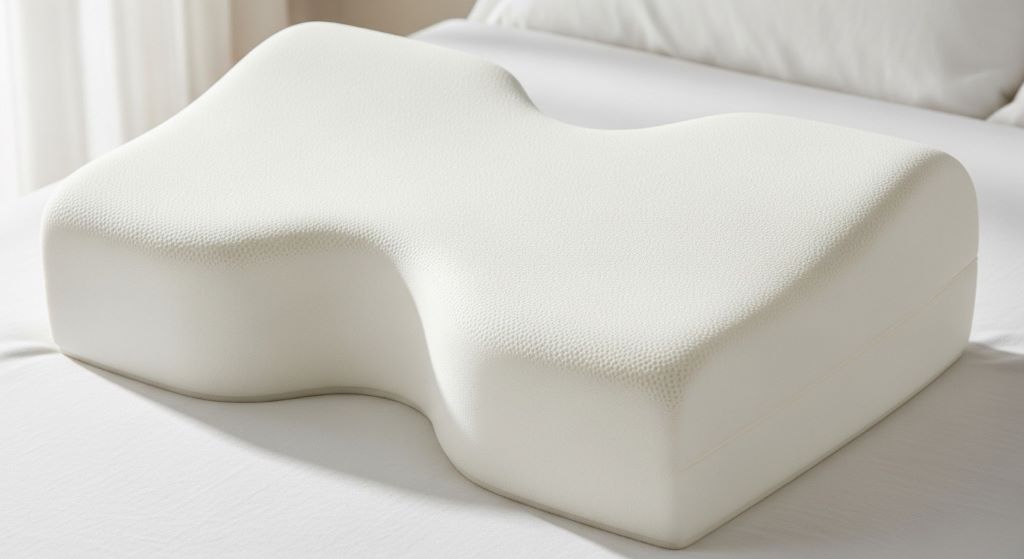
Getting quality sleep depends on more than just having a comfortable mattress. Your pillow plays a crucial role in maintaining proper spinal alignment and ensuring you wake up refreshed rather than sore. Memory foam pillows have revolutionized sleep comfort by providing personalized support that adapts to your unique body shape and sleeping position.
However, not all memory foam pillows are created equal. The market is flooded with options ranging from basic rectangular blocks to sophisticated designs engineered for specific sleep needs. Understanding what makes a quality memory foam pillow can transform your sleep experience and address common problems like neck pain, shoulder tension, and morning headaches.
This comprehensive guide will help you navigate the world of memory foam pillows. You’ll learn about different designs, materials, and features that contribute to proper support. By the end, you’ll have the knowledge needed to select a pillow that meets your specific requirements and enhances your sleep quality.
Understanding Memory Foam Technology
Memory foam was originally developed by NASA in the 1960s to improve cushioning and crash protection for airline seats. Today, this remarkable material has found its way into bedroom products, particularly pillows. The foam responds to heat and pressure, molding to the contours of your head and neck.
Traditional memory foam is made from polyurethane with added chemicals that increase its viscosity and density. When you lie down, your body heat softens the foam, allowing it to conform precisely to your shape. This personalized molding distributes weight evenly, reducing pressure points that can cause discomfort.
The foam’s response time varies between products. Some memory foam reacts quickly, adjusting almost instantly to your movements. Others have a slower response, which some people find more supportive. Neither is inherently better; your preference depends on personal comfort and sleeping habits.
Additionally, modern memory foam comes in various densities. Higher density foam generally provides more support and lasts longer. However, it also retains more heat and feels firmer. Lower density foam feels softer and sleeps cooler but may compress more quickly over time.
Different Types of Memory Foam Pillow Designs
Memory foam pillows come in several distinct shapes, each designed to address specific sleep needs and preferences. Understanding these variations helps you identify which style will work best for your situation.
Traditional rectangular pillows made from solid memory foam blocks are the most common. These pillows provide consistent support across the entire surface. They work well for back sleepers and those who change positions frequently during the night.
A contour pillow features a unique curved shape with a depression in the center and raised edges. This design cradles your head while supporting your neck’s natural curve. The ergonomic shape helps maintain proper spinal alignment, particularly benefiting those with chronic neck pain or stiffness.
Shredded memory foam pillows contain torn pieces of foam rather than a solid block. This construction allows air to circulate more freely, reducing heat retention. Additionally, you can often add or remove filling to adjust the height and firmness to your preference.
Wedge pillows slope at an angle, elevating your upper body. While not specifically designed for neck support, they help with conditions like acid reflux, snoring, and respiratory issues. Some people use them in combination with regular pillows for enhanced support.
Cervical pillows are specifically engineered to support the natural curve of your neck. They often feature a rolled bottom edge that tucks under your neck while your head rests in a slight depression. These pillows target neck pain and tension specifically.
The Benefits of Foam Support Pillows
Foam support pillows offer numerous advantages over traditional feather or polyester-filled options. These benefits extend beyond simple comfort to include therapeutic effects that can improve your overall health.
Spinal alignment represents the primary benefit of quality memory foam pillows. When your spine maintains its natural curve from your head through your neck and down your back, muscles can relax completely. This proper alignment prevents the muscle strain that leads to morning stiffness and pain.
Memory foam’s pressure-distributing properties reduce stress on sensitive areas. Unlike traditional pillows that create pressure points where your head presses down, memory foam spreads your weight across a larger surface. This distribution is particularly beneficial for people with TMJ disorders or headaches.
The material’s stability means it doesn’t flatten or bunch up during the night like traditional pillows. You maintain consistent support regardless of how much you move. This reliability ensures your neck and head remain properly positioned throughout your sleep cycle.
Furthermore, memory foam is naturally resistant to dust mites and allergens. The dense structure doesn’t provide the pockets and spaces where these irritants typically accumulate. This characteristic makes memory foam an excellent choice for allergy sufferers.
The durability of quality memory foam exceeds that of traditional pillow materials. While feather pillows flatten and polyester filling clumps, good memory foam maintains its shape and support for years. This longevity makes memory foam pillows a smart long-term investment.
How Pressure Relief Pillows Work
Pressure relief is a key feature that distinguishes quality memory foam pillows from standard options. Understanding how this technology works helps you appreciate its value and select the most effective product.
When you lie on a traditional pillow, your weight concentrates at specific points where your head and neck make contact. These pressure points can restrict blood flow, causing you to shift positions frequently throughout the night. This constant movement disrupts sleep quality.
Memory foam pillows eliminate these pressure points through their unique response to weight and temperature. As the foam softens and conforms to your shape, it distributes your weight across a much larger area. No single point bears excessive pressure, allowing blood to circulate freely.
The result is fewer sleep disruptions and deeper, more restorative rest. Many people find they wake up less frequently and feel more refreshed in the morning. This improvement stems directly from the pillow’s ability to maintain comfort throughout the night.
Moreover, pressure relief benefits extend to your shoulders and upper back. A properly sized memory foam pillow fills the gap between your shoulder and head when sleeping on your side. This support prevents your neck from bending at an uncomfortable angle and reduces shoulder pressure.
Temperature-sensitive memory foam enhances pressure relief by responding to your body heat. The foam becomes more pliable in areas of direct contact, creating a custom-molded surface. This personalization ensures optimal support exactly where you need it most.
Choosing the Right Firmness Level
Firmness significantly impacts how well a memory foam pillow supports your neck and maintains proper alignment. However, the ideal firmness varies depending on your sleeping position, body type, and personal preferences.
Side sleepers typically need firmer pillows to fill the space between their shoulder and head. A softer pillow would compress too much under the weight of your head, allowing your neck to bend downward. This position creates strain and often leads to pain.
Back sleepers generally prefer medium-firm pillows that support the neck’s natural curve without pushing the head too far forward. The pillow should cradle the neck while allowing the head to rest at a neutral angle relative to the spine.
Stomach sleepers require the softest, thinnest pillows available. Sleeping on your stomach already places stress on your neck, and a thick pillow exacerbates this problem by forcing your head upward at an unnatural angle.
Your body weight also influences the appropriate firmness. Heavier individuals need firmer pillows that won’t compress excessively. Lighter people can use softer options that will still provide adequate support given their lower weight.
Consider trying pillows with adjustable firmness if you’re uncertain about your preferences. Some memory foam pillows allow you to add or remove layers, enabling you to customize the height and firmness until you find your perfect match.
Size and Height Considerations
Selecting the correct pillow size and height is just as important as choosing the right firmness. These dimensions must match your body proportions and sleeping position to provide optimal support.
Standard pillow sizes include standard, queen, and king dimensions. These measurements refer to length and width rather than height. Ensure your pillowcase fits properly, but more importantly, make sure the pillow dimensions suit your sleeping surface and preferences.
Height, also called loft, determines how much elevation the pillow provides. This measurement varies significantly between products and dramatically affects support quality. A pillow with the wrong height cannot maintain proper spinal alignment regardless of its other qualities.
Measure the distance from your shoulder to the side of your head when lying on your side. This measurement indicates the minimum loft needed to keep your spine straight. Add slightly more height to account for compression when you rest your head’s full weight on the pillow.
Back sleepers need less loft than side sleepers. The pillow should fill the gap between the mattress and your neck without pushing your head forward. Typically, this requires a medium-loft pillow around four to five inches high.
Stomach sleepers should use very low-loft pillows, often under three inches. Some stomach sleepers find they sleep better with no pillow at all, placing one under their pelvis instead to reduce lower back strain.
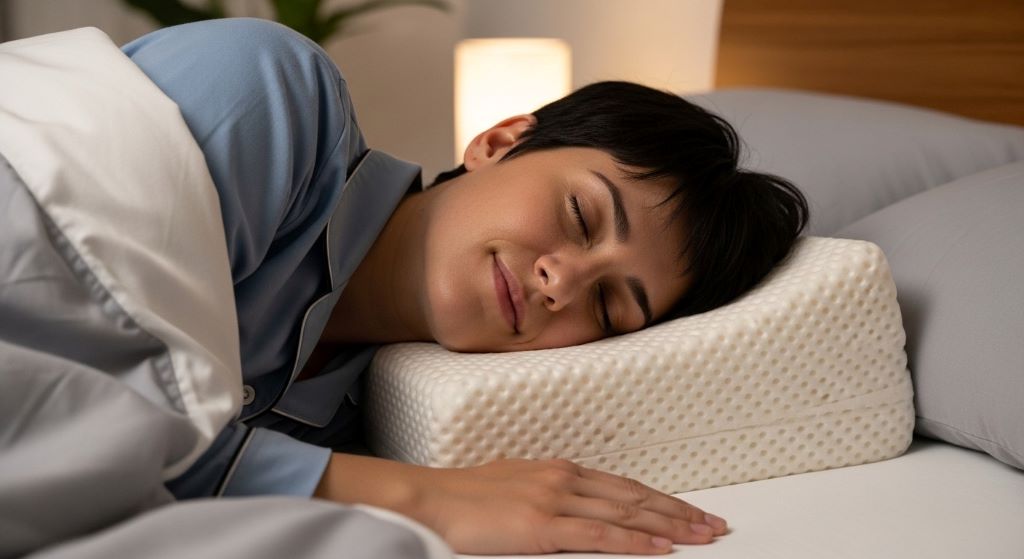
Temperature Regulation Features
Traditional memory foam’s tendency to retain heat is one of its main drawbacks. Your body heat softens the foam, but that heat can’t dissipate easily through the dense material. Fortunately, modern pillows incorporate various technologies to address this issue.
Gel-infused memory foam contains tiny gel beads distributed throughout the material. These beads absorb and dissipate heat more effectively than foam alone. The result is a cooler sleeping surface that maintains memory foam’s supportive properties.
Ventilated designs feature holes or channels cut through the foam. These pathways allow air to circulate through the pillow rather than just around it. Enhanced airflow carries heat away from your head, preventing the uncomfortable warmth that disrupts sleep.
Phase-change materials represent advanced temperature regulation technology. These substances absorb heat when you’re too warm and release it when you cool down, actively maintaining a comfortable temperature throughout the night.
Breathable covers contribute significantly to temperature control. Look for pillowcases made from moisture-wicking fabrics like bamboo, Tencel, or specially designed polyester blends. These materials pull moisture away from your skin and allow heat to escape.
Consider your personal temperature preferences and tendencies. If you typically sleep hot, prioritize cooling features. If you tend to feel cold, traditional memory foam’s warmth might actually enhance your comfort.
Cover Materials and Removability
The pillow cover might seem like a minor consideration, but it affects both comfort and maintenance. Quality covers enhance the sleeping experience while protecting your investment.
Bamboo-derived fabrics have become increasingly popular for pillow covers. These materials are naturally moisture-wicking, breathable, and hypoallergenic. Additionally, bamboo fabric feels soft and luxurious against your skin.
Cotton covers offer breathability and familiarity. High-thread-count cotton provides a smooth, comfortable surface. However, cotton doesn’t wick moisture as effectively as some synthetic or bamboo alternatives.
Microfiber and polyester blends can be engineered for specific properties. Many manufacturers create fabrics that resist allergens, wick moisture, and feel cool to the touch. These technical fabrics often outperform natural materials in specific categories.
Removable covers are essential for maintaining hygiene. Memory foam itself cannot be washed, so a removable, machine-washable cover allows you to keep your pillow fresh. Check that zippers are durable and won’t irritate your skin during sleep.
Some pillows include inner covers between the foam and outer case. This additional layer provides extra protection for the foam and can help reduce off-gassing odors when the pillow is new.
Certifications and Safety Standards
Quality memory foam pillows should meet certain safety and environmental standards. These certifications indicate that products have been tested for potentially harmful chemicals and emissions.
CertiPUR-US certification confirms that foam is made without ozone depleters, flame retardants, mercury, lead, and other heavy metals. It also certifies low VOC emissions, meaning the pillow won’t release significant amounts of volatile organic compounds into your breathing space.
OEKO-TEX Standard 100 certification tests the finished product for harmful substances. This comprehensive testing examines not just the foam but also the cover materials, zippers, and any other components that contact your skin.
Greenguard Gold certification indicates extremely low chemical emissions. Products with this certification meet stringent standards for indoor air quality, making them safe even for sensitive individuals like children and those with chemical sensitivities.
These certifications provide peace of mind that your pillow is safe for long-term use. While uncertified pillows aren’t necessarily dangerous, certifications offer verified assurance of quality and safety standards.
Trial Periods and Warranties
Adjusting to a new pillow takes time. Your body needs to adapt to different support, and what feels unusual initially might become perfectly comfortable after a week or two. Therefore, trial periods are invaluable when purchasing memory foam pillows.
Many manufacturers offer trial periods ranging from 30 to 100 nights. These policies allow you to use the pillow in your own home and return it if unsatisfied. Read the fine print carefully to understand any conditions or restocking fees that might apply.
Warranties protect your investment against defects and premature deterioration. Quality memory foam pillows typically come with warranties of three to five years. These warranties usually cover sagging, indentations, and manufacturing defects but not normal wear or damage from misuse.
Understand what constitutes a valid warranty claim. Most manufacturers require that you use a pillow protector and keep your receipt. They may also have specific definitions for defects, such as impressions deeper than a certain measurement.
Some companies offer comfort exchanges rather than full refunds. These policies let you try a different firmness or style if your first choice doesn’t work out. This flexibility increases your chances of finding the perfect pillow.
Breaking In Your New Memory Foam Pillow
New memory foam pillows often need a break-in period before they reach optimal comfort. Understanding this process prevents premature disappointment with an otherwise excellent product.
Fresh memory foam can feel firmer than expected. The material softens with body heat and use. Give your pillow at least a week of regular use before judging its comfort level. The foam will gradually become more responsive and conforming.
Off-gassing odors are common with new memory foam products. These smells result from the manufacturing process and are typically harmless. Air out your pillow in a well-ventilated area for 24 to 48 hours before use to minimize odors.
Temperature affects memory foam’s feel. The pillow might seem firmer in a cold room and softer in a warm one. This variation is normal and demonstrates the foam’s temperature-responsive properties.
Your neck and shoulders may feel slightly sore during the first few nights. This temporary discomfort often indicates that the pillow is supporting your body differently than your old pillow did. Muscles are adjusting to proper alignment. However, persistent or increasing pain suggests the pillow isn’t right for you.
Experiment with pillow placement and positioning. Sometimes adjusting how you position the pillow makes a significant difference in comfort. Try moving it slightly higher or lower, or rotating it if it has directional features.
Maintaining Your Memory Foam Pillow
Proper care extends the life of your memory foam pillow and maintains its supportive properties. Following manufacturer guidelines ensures you get the most value from your investment.
Never put solid memory foam in the washing machine. The agitation and water absorption can damage the foam’s structure. Instead, spot-clean any stains using a mild detergent and damp cloth. Allow the foam to air dry completely before use.
Wash removable covers regularly according to manufacturer instructions. Most covers can be machine washed in cold water and tumble dried on low heat. Keeping the cover clean protects the foam and maintains a hygienic sleeping environment.
Use a pillow protector underneath your pillowcase. This additional layer guards against oils, moisture, and dust while allowing the pillow to breathe. Pillow protectors are inexpensive and significantly extend pillow lifespan.
Air out your pillow periodically by removing it from its case and placing it in a well-ventilated area. This practice allows any accumulated moisture to evaporate and keeps the foam fresh.
Avoid exposing memory foam to direct sunlight or heat sources. Excessive heat can degrade the foam’s structure and reduce its responsiveness. Store your pillow in a cool, dry location when not in use.
Replace your memory foam pillow when it no longer provides adequate support. Signs include persistent flattening, visible cracks or tears, or discomfort during use despite proper positioning.
Conclusion
Choosing the best memory foam bed pillow requires understanding your specific needs and the features that address them. Whether you opt for a contour pillow designed for neck support, a foam support pillow for overall alignment, or a pressure relief pillow to eliminate discomfort, the right choice depends on your sleeping position, body type, and comfort preferences.
Consider firmness, height, temperature regulation, and quality certifications when making your selection. Don’t overlook practical factors like removable covers and trial periods that allow you to test the pillow risk-free. Remember that adjustment periods are normal, and the perfect pillow might feel unusual for the first few nights.
Quality memory foam pillows represent an investment in your sleep health and overall wellbeing. Poor sleep affects every aspect of your life, from mood and productivity to physical health. By selecting a pillow that properly supports your head and neck, you’re taking an important step toward better sleep and, consequently, a better life.
Take time to research options, read reviews from people with similar sleep habits, and don’t hesitate to take advantage of trial periods. The perfect pillow is out there, waiting to transform your sleep experience and help you wake up feeling truly refreshed and pain-free.
Frequently Asked Questions
How long does a memory foam pillow last?
A quality memory foam pillow typically lasts three to five years with proper care. However, lifespan varies based on foam density, usage frequency, and maintenance. Replace your pillow when it no longer springs back to its original shape, develops permanent indentations, or stops providing adequate support. Using a pillow protector and following care instructions can extend its useful life significantly.
Can memory foam pillows help with neck pain?
Yes, memory foam pillows can significantly reduce neck pain when properly selected and used. They maintain spinal alignment by supporting the natural curve of your neck, preventing muscle strain during sleep. However, you must choose the correct height and firmness for your sleeping position. Back sleepers and side sleepers particularly benefit from the consistent support memory foam provides throughout the night.
Why does my memory foam pillow feel too firm?
Memory foam softens in response to body heat, so it may feel firm initially in a cool room or when you first lie down. Give the pillow a few minutes to warm up and conform to your shape. Additionally, new pillows have a break-in period during which the foam becomes more pliable. If firmness persists after two weeks, you may need a softer density or a shredded foam option that allows more adjustment.
Are memory foam pillows safe for people with allergies?
Memory foam pillows are excellent choices for allergy sufferers. The dense foam structure naturally resists dust mites, mold, and other common allergens that thrive in traditional pillow materials. For maximum protection, choose pillows with CertiPUR-US or OEKO-TEX certifications to ensure they’re free from harmful chemicals. Using a hypoallergenic pillow cover adds another layer of protection against allergens.
How do I choose between solid and shredded memory foam?
Solid memory foam provides consistent, reliable support and works best for people who need specific therapeutic benefits like neck pain relief. Shredded memory foam offers adjustability, better airflow, and a softer feel similar to traditional pillows. Choose solid foam if you prioritize support and don’t sleep hot. Select shredded foam if you value customization, sleep warm, or prefer a plusher feel that you can mold to your preference.
Related Topics:
Essential Third Trimester Pillows for Better Sleep
Top 5 Wedge Pillows for Acid Reflux Relief in 2025