
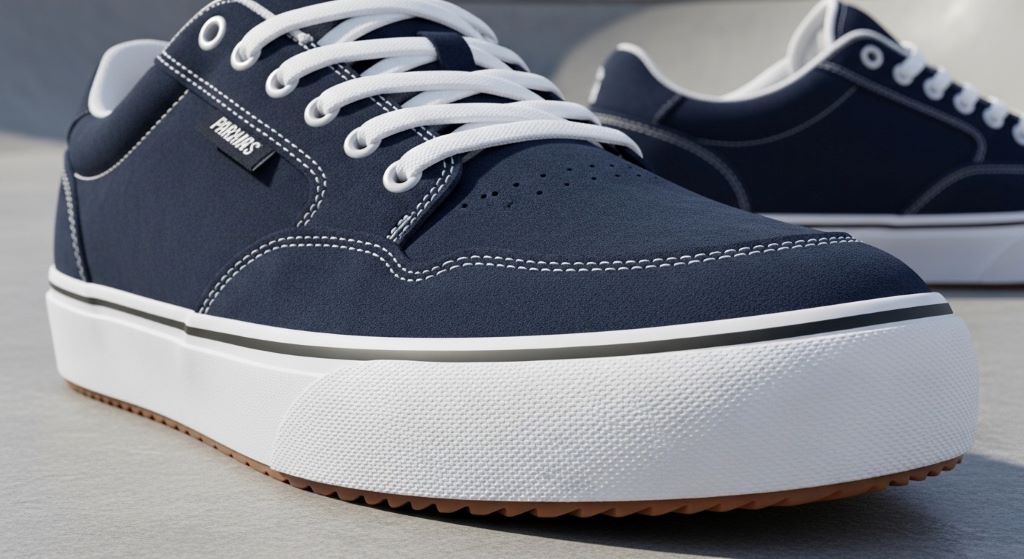
Selecting the right skate shoes can make or break your skating experience. The difference between a casual pair and true performance skate footwear affects everything from how long you can skate to how well you land tricks. Professional skaters spend years discovering what works for their unique style, and their knowledge can help you make better choices.
Many beginners assume all skate shoes are basically the same. However, the construction, materials, and design features vary dramatically between different models. Understanding these differences helps you invest in shoes that actually improve your skating rather than hold you back.
This comprehensive guide reveals the secrets professional skaters use when choosing their footwear. You’ll learn what separates amateur shoes from pro-level options and discover how to evaluate shoes based on your skating style, skill level, and the terrain you ride most often.
Understanding What Makes Skate Shoes Different
Skate shoes aren’t just regular sneakers with a skateboarding brand name. They’re engineered specifically to withstand the unique demands of skateboarding. Every component serves a purpose related to performance, durability, or protection.
The constant friction between your shoes and grip tape destroys regular footwear in days. Skate shoes use reinforced materials in high-wear areas to resist this abrasion. Additionally, the soles are formulated to provide grip without being so sticky that they interfere with board feel.
Impact absorption matters more in skateboarding than most people realize. Landing tricks generates force equivalent to several times your body weight. Quality skate shoes incorporate cushioning systems that protect your feet, ankles, and knees from this repeated stress.
Board feel refers to your ability to sense the skateboard through your shoes. Too much cushioning and you lose connection with your board. Too little and your feet hurt after a short session. Professional skaters seek the perfect balance between protection and sensitivity.
Examining Construction Methods
The way a shoe is built determines how long it lasts and how it performs. Different construction techniques offer various advantages, and understanding these helps you choose shoes that match your needs.
Vulcanized construction bonds the sole directly to the upper using heat and pressure. This method creates a thin, flexible sole that provides excellent board feel. Vulcanized shoes feel like an extension of your feet, giving you precise control over your skateboard. However, they typically offer less impact protection than other construction methods.
Cup sole construction places the upper inside a pre-molded sole unit. This design allows for more cushioning and support structures within the sole. Cup sole shoes generally last longer and provide better impact protection. Therefore, they’re often preferred by skaters who focus on stairs, gaps, and other high-impact terrain.
Hybrid construction combines elements of both methods. These shoes might feature a vulcanized forefoot for board feel with a cup sole heel for impact protection. This approach attempts to give you the best of both worlds, though it adds complexity and sometimes cost.
The quality of construction matters as much as the method. Check stitching for consistency and strength. Examine how the sole attaches to the upper. Look for reinforcements in stress areas like the toe and heel. Quality construction means shoes that last longer and perform better throughout their lifespan.
Evaluating Materials and Durability
The materials used in skate shoes directly affect both performance and longevity. Professional skaters pay close attention to these details because their livelihood depends on reliable footwear.
Suede remains the gold standard for skate shoe uppers. It resists abrasion better than almost any other material while maintaining flexibility. Quality suede develops character as it wears rather than simply falling apart. However, not all suede is equal. Thicker suede lasts longer but may feel stiff initially.
Canvas offers a more affordable option that breaks in quickly. It’s lighter and more breathable than suede but wears out faster. Some skaters prefer canvas for summer sessions or when they want shoes that feel comfortable immediately. Canvas works well for technical street skating where you’re not constantly dragging your feet.
Leather provides excellent durability and a unique feel. It’s less common in modern skate shoes but appears in certain models. Leather requires more break-in time but can outlast other materials once properly worn in. It also develops a distinctive patina that many skaters appreciate.
Synthetic materials have improved significantly in recent years. Modern synthetics can match or exceed natural materials in specific applications. They often cost less and perform consistently. However, they may not breathe as well or develop the same character as natural materials.
Rubber compounds in the sole vary between brands and models. Softer rubber provides better grip but wears faster. Harder compounds last longer but may feel slippery on certain surfaces. Pro model skate shoes often use proprietary rubber formulations developed specifically for skateboarding.
Assessing Cushioning and Support
Impact protection keeps you skating longer and helps prevent injuries. Different cushioning systems offer various benefits, and the right choice depends on your skating style and physical needs.
Foam midsoles are the most common cushioning system. They range from basic EVA foam to advanced formulations with varying densities. Multi-density foam places softer material where you need cushioning most while using firmer foam for stability and responsiveness.
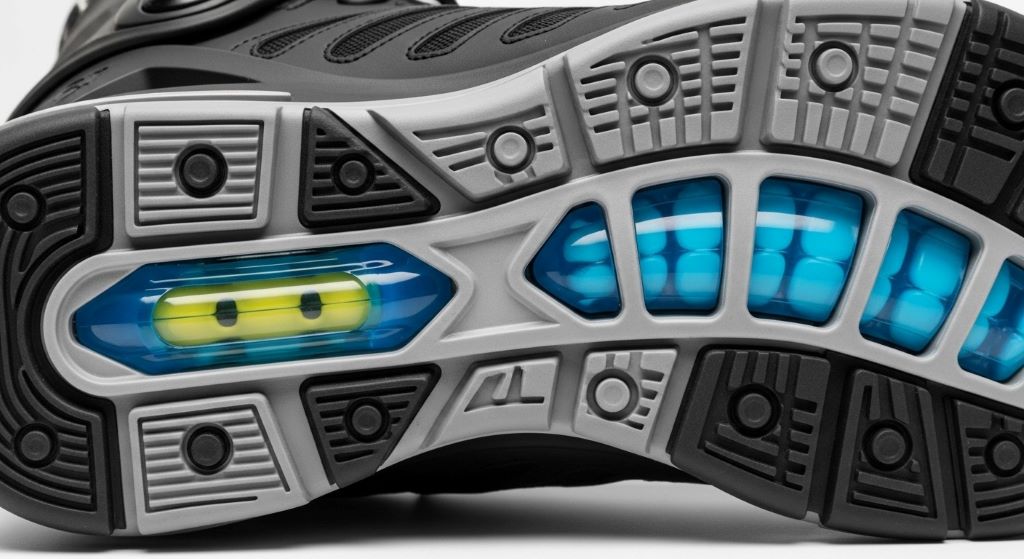
Air cushioning systems trap air in pockets within the sole. These provide responsive cushioning that doesn’t compress permanently like foam. However, they can fail if punctured and may add bulk to the shoe. Some skaters love the springy feel, while others find it interferes with board control.
Gel inserts offer targeted cushioning in high-impact areas. They’re often placed in the heel to absorb landing forces. Gel maintains its cushioning properties longer than foam but adds weight. Additionally, it provides a different feel that some skaters prefer.
Insole technology significantly affects comfort and support. Removable insoles let you customize cushioning and arch support. Many professional skaters replace stock insoles with aftermarket options that better suit their feet. This simple upgrade can dramatically improve comfort during long sessions.
Ankle support varies between low-top, mid-top, and high-top designs. Low-tops offer maximum mobility and are preferred for technical street skating. Mid-tops provide some ankle support while maintaining flexibility. High-tops, less common now than in the past, offer maximum ankle protection for ramp skating or riders with weak ankles.
Understanding Pro Model Skate Shoes
Pro model skate shoes represent collaborations between brands and professional skaters. These shoes incorporate specific features and design elements requested by the pros whose names they bear. Understanding what makes these models special helps you make better choices.
Professional skaters test countless prototypes before approving a shoe. They skate the design in real-world conditions and request modifications based on performance. This extensive development process results in shoes refined for serious skating. However, this doesn’t mean pro models are always the best choice for everyone.
Signature features often reflect a pro’s skating style. A technical street skater might request extra toe reinforcement and minimal cushioning for board feel. A transition skater might prioritize ankle support and impact protection. Therefore, choosing a pro model that matches your skating style makes sense even if you’re not a professional.
Limited editions and special colorways make certain pro models collectible. While aesthetics matter, don’t let hype override practical considerations. A shoe needs to perform well for your skating, regardless of how cool it looks or how limited the production run.
Some pro models become classics that remain in production for years. These proven designs have stood the test of time and countless skating sessions. They represent a safe bet if you’re unsure what features you need. Additionally, long-running models often have extensive reviews and user feedback available.
Matching Shoes to Your Skating Style
Different skating disciplines place different demands on footwear. Choosing shoes designed for your primary skating style ensures better performance and satisfaction.
Street skating involves technical tricks on stairs, rails, and ledges. Street skaters need shoes with excellent board feel, precise fit, and reinforcement in wear areas. Vulcanized construction works well for street skating. Slimmer profiles allow for better flick and control during flip tricks.
Park skating happens in skateparks with ramps, bowls, and various obstacles. Park skaters benefit from more cushioning to absorb impacts from transitions. Cup sole construction often works better here. Additionally, good ankle support helps during aggressive carving and aerial tricks.
Vert skating demands maximum protection and support. The high speeds and big airs generate tremendous impact forces. Shoes for vert skating need substantial cushioning, secure fit, and often higher ankle support. Durability matters less since vert skating doesn’t involve as much grip tape friction.
Cruising and transportation skating prioritizes comfort over technical performance. Cruisers want cushioning for long distances, breathability, and general comfort. They can sacrifice some board feel and technical features for all-day wearability. Therefore, cup sole shoes with ample cushioning work well.
Filming and competition may influence shoe choice differently than regular sessions. Some skaters prefer broken-in shoes with perfect board feel for important filming days. Others choose fresh shoes for competitions to ensure maximum grip and performance. Consider having different pairs for different purposes.
Sizing and Fit Considerations
Proper fit dramatically affects performance and comfort. Skate shoes should fit differently than regular shoes, and understanding these differences prevents problems.
Skate shoes generally fit true to size, but this varies by brand. Some companies run large or small consistently. Research specific models before ordering online. If possible, try shoes on in person, especially when trying a new brand for the first time.
Your toes should come close to the front of the shoe without jamming uncomfortably. A tight fit prevents your foot from sliding inside the shoe during tricks. However, you need enough room to wiggle your toes. Too tight and you’ll develop blisters and hotspots. Too loose and you lose control.
Width matters as much as length. Skate shoes come in various widths, though this information isn’t always obvious. If standard widths don’t work, look for models known to run wide or narrow. Some brands offer specific wide versions of popular models.
Break-in period varies significantly between shoes. Suede typically requires more break-in time than canvas. Cup sole shoes may feel stiff initially but mold to your feet over time. Don’t judge a shoe solely on how it feels in the store. However, if a shoe causes immediate pain or discomfort, it’s probably not right for you.
Consider how shoes will fit with the socks you actually skate in. Thin socks provide better board feel but less protection. Thick socks offer cushioning but may make shoes feel tight. Try shoes with your preferred sock thickness to ensure proper fit.
Examining Grip and Traction
The sole pattern and rubber compound determine how well shoes grip your skateboard. This connection between shoe and deck affects every aspect of your skating.
Herringbone patterns are common on skate shoe soles. The angled treads provide multidirectional grip while allowing your foot to pivot on the board. Deeper treads offer more grip but may collect debris. Shallower patterns work well for technical skating where you need smooth foot movement.
Flat soles with minimal pattern maximize board contact. Many technical skaters prefer this design because it allows subtle foot adjustments and doesn’t interfere with board feel. However, flat soles may become slippery when wet or dusty.
Sole flexibility affects both grip and board feel. A sole that’s too stiff prevents your foot from conforming to the board’s concave. A sole that’s too flexible may lack the structure needed for powerful ollies and flips. Therefore, moderate flexibility usually works best for most skaters.
Different parts of the sole experience different wear. The area behind your toes wears fastest from ollies and flip tricks. Quality shoes reinforce this area or use more durable rubber compounds here. Check how evenly your current shoes wear to identify your specific needs.
Price Points and Value
Skate shoes range from budget options around fifty dollars to premium models exceeding one hundred fifty dollars. Understanding what you get at different price points helps you make smart investments.
Budget shoes provide basic skate-specific features but may use lower-quality materials. They’re adequate for beginners or casual skaters who don’t skate frequently. However, they typically wear out faster, potentially making them more expensive in the long run.
Mid-range shoes offer the best value for most skaters. They incorporate quality materials, proven construction methods, and useful features without premium pricing. These shoes balance performance, durability, and affordability. Most serious skaters find their ideal shoes in this category.
Premium shoes deliver top-tier materials, advanced cushioning systems, and refined design. They’re designed for professional skaters and serious enthusiasts who demand maximum performance. The higher price reflects better materials, more extensive research and development, and often superior durability.
Consider cost per skate session rather than just upfront price. Cheaper shoes that last one month cost more per session than expensive shoes that last three months. Calculate your typical usage to determine the best value for your situation.
Sales and discounts can make premium shoes affordable. Last season’s colorways often go on sale when new versions release. Additionally, buying directly from brands during promotional periods can save significant money. However, don’t buy shoes just because they’re discounted if they don’t match your needs.
Testing and Breaking In New Shoes
Getting the most from new skate shoes requires proper testing and break-in. This process helps you evaluate whether the shoes work for your skating while preparing them for serious use.
Start with a short session in a controlled environment. Skate flat ground or a familiar obstacle to assess basic comfort and performance. Pay attention to any rubbing, pressure points, or movement inside the shoe. Small issues often become major problems during longer sessions.
Break in shoes gradually before attempting your hardest tricks. Stiff new shoes don’t respond the same as broken-in pairs. Give yourself time to adjust to the feel and let the materials soften. This approach prevents blisters and helps you evaluate the shoes fairly.
Some skaters use break-in techniques to speed the process. Wearing shoes around the house helps them conform to your feet. Flexing the sole manually can reduce initial stiffness. However, avoid aggressive techniques that might damage the shoe before you’ve truly tested it.
Document your first impressions and track how the shoes evolve. What feels perfect initially might develop problems, or vice versa. Keeping mental notes helps you make better choices for your next pair. Additionally, it helps you recognize when current shoes have degraded enough to need replacement.
Return policies vary between retailers. Understand the terms before buying, especially for online purchases. Some shops allow returns after light wear, while others require completely unworn shoes. This knowledge affects how aggressively you can test new shoes.
Maintaining Your Shoes
Proper care extends the life of skate shoes and maintains their performance. While skate shoes are designed to take abuse, a few maintenance practices help them last longer.
Clean your shoes regularly to remove dirt and debris. A soft brush and mild soap can refresh the appearance and prevent grime from breaking down materials. Let shoes air dry naturally rather than using heat, which can damage glue and warp materials.
Rotate between multiple pairs if possible. This gives each pair time to dry completely between sessions and reduces the wear on any single pair. Additionally, different shoes for different types of skating can optimize performance while extending overall shoe lifespan.
Repair minor damage before it becomes major. Shoe glue can reattach separating soles or reinforce worn areas. Patches can extend the life of the upper. These simple fixes often add weeks or months to a shoe’s usable life.
Know when to retire shoes. Once cushioning compresses completely, the sole separates significantly, or holes appear in the upper, it’s time for new shoes. Skating in destroyed shoes increases injury risk and actually makes skating harder.
Store shoes properly when not in use. Keep them in a cool, dry place away from direct sunlight. Don’t leave them in hot cars or damp environments. Proper storage prevents premature deterioration of materials and adhesives.
Conclusion
Choosing professional-quality skate shoes requires understanding construction methods, materials, and how different features affect performance. Pro model skate shoes and performance skate footwear incorporate years of refinement and testing by the world’s best skaters. However, the right shoe for you depends on your specific skating style, foot shape, and personal preferences.
Consider construction type based on whether you prioritize board feel or impact protection. Evaluate materials for the right balance between durability and comfort. Match cushioning systems to the type of skating you do most. Furthermore, ensure proper fit because even the best-designed shoe performs poorly if it doesn’t fit correctly.
Don’t let marketing or hype override practical considerations. The most expensive or popular shoe isn’t necessarily the best choice for your needs. Instead, focus on features that actually improve your skating experience. Test thoroughly, break in properly, and maintain your shoes to get maximum value from your investment.
Remember that professional skaters often have multiple pairs for different purposes. As your skating evolves, your footwear needs may change. Stay open to trying different brands, models, and construction types. The perfect shoe exists for your skating style, and finding it dramatically improves your enjoyment and progression on a skateboard.
Frequently Asked Questions
How long should quality skate shoes last?
Skate shoe lifespan varies dramatically based on how often you skate, your style, and the terrain. A casual skater might get six months or more from quality shoes. Someone skating daily doing technical tricks might wear through shoes in two to four weeks. Cup sole construction generally lasts longer than vulcanized. Focus on cost per session rather than absolute lifespan when evaluating value.
Should beginners buy expensive skate shoes?
Beginners don’t necessarily need premium shoes, but they shouldn’t buy the cheapest option either. Mid-range shoes provide adequate quality and features for learning without excessive cost. As you progress and understand your preferences, you can make more informed choices about premium features. Avoid the temptation to save money with non-skate-specific shoes, as these wear out quickly and perform poorly.
What’s the difference between vulcanized and cup sole construction?
Vulcanized shoes bond the sole directly to the upper using heat, creating a thin, flexible sole with excellent board feel. Cup sole shoes have the upper placed inside a pre-molded sole unit, offering more cushioning and support. Vulcanized works well for technical street skating, while cup sole is often preferred for impact-heavy skating like stairs and gaps. Neither is objectively better; the right choice depends on your priorities.
Do pro model skate shoes really perform better than regular models?
Pro models undergo extensive testing and refinement with input from professional skaters. They often incorporate advanced features and quality materials. However, they’re not automatically better for everyone. A pro model designed for vert skating won’t help you if you primarily skate street. Choose shoes based on features that match your skating style rather than just the pro endorsement or hype around a particular model.
How can I make my skate shoes last longer?
Rotate between multiple pairs to let each pair dry completely between sessions. Apply shoe goo to high-wear areas like the toe before holes develop. Clean shoes regularly to prevent dirt from breaking down materials. Use different shoes for cruising versus serious skating. Learn tricks that are less abrasive on shoes. However, accept that skate shoes are consumable items designed to take abuse protecting your feet.
Related Topics:
How to Select the Right Skateboard for Toddlers (Ages 3–4)
How to Choose Golf Clubs for Young Beginners Without Overspending