
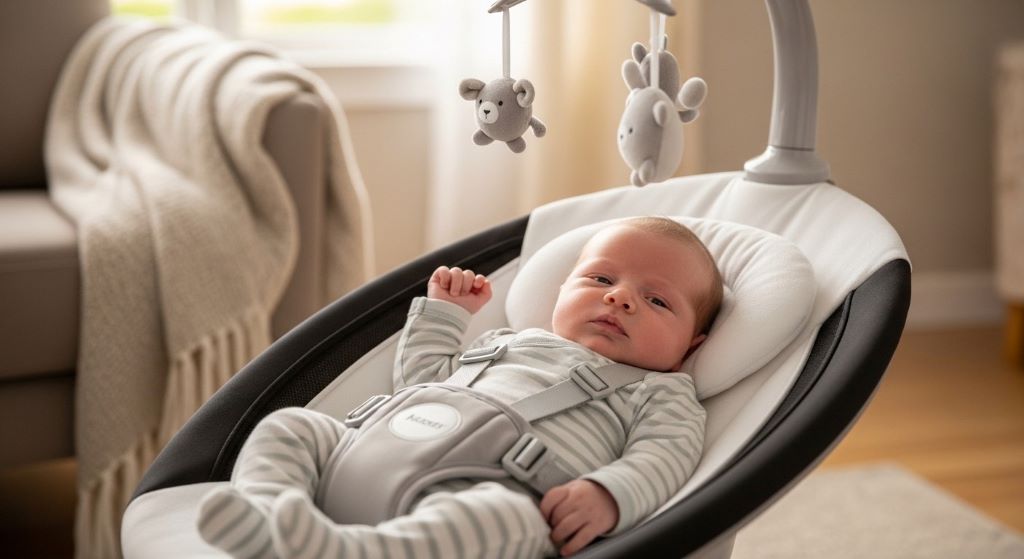
Bringing a newborn home fills parents with joy and, understandably, some anxiety. You want to provide your baby with comfort while ensuring their safety at all times. Portable baby swings have become popular tools for soothing fussy infants and giving parents much-needed breaks. However, using these devices requires careful attention to safety guidelines and proper setup.
Understanding how to use a portable swing correctly can make the difference between a helpful tool and a potential hazard. This comprehensive guide will walk you through everything you need to know about using swings safely with your newborn, from choosing the right model to monitoring your baby during use.
Understanding Portable Baby Swings
Portable baby swings are designed to provide gentle, rhythmic motion that mimics the sensations babies experienced in the womb. These devices typically feature a suspended seat that moves back and forth or side to side, often accompanied by music, nature sounds, or vibrations.
The portability aspect makes these swings different from traditional, stationary models. They’re lighter, more compact, and easier to move from room to room. This convenience appeals to modern parents who want to keep their babies nearby throughout the day.
However, portability shouldn’t come at the expense of stability or safety features. The best portable swings maintain robust construction while remaining easy to transport. They include secure harness systems, stable bases, and appropriate weight capacity for growing infants.
Choosing a Safe Swing for Your Newborn
Selecting the right swing starts with understanding safety certifications and standards. Look for products that meet current safety regulations set by consumer product safety organizations. These certifications indicate the swing has undergone rigorous testing for potential hazards.
Check for a sturdy frame construction that won’t tip over easily. The base should be wide and stable, even when the swing is in motion. Avoid models that feel flimsy or wobble when you push on them gently.
The harness system deserves careful examination. A three-point harness is the minimum requirement, but five-point harnesses offer superior security. The buckles should be easy for adults to operate but impossible for babies to unfasten. Additionally, the straps should adjust to fit snugly without causing discomfort.
Reading recent reviews from other parents provides valuable insights into real-world performance. Pay attention to comments about durability, ease of cleaning, and any safety concerns that emerged during use. However, remember that experiences vary, and what works for one family might not suit another.
Understanding and Following Swing Weight Limits
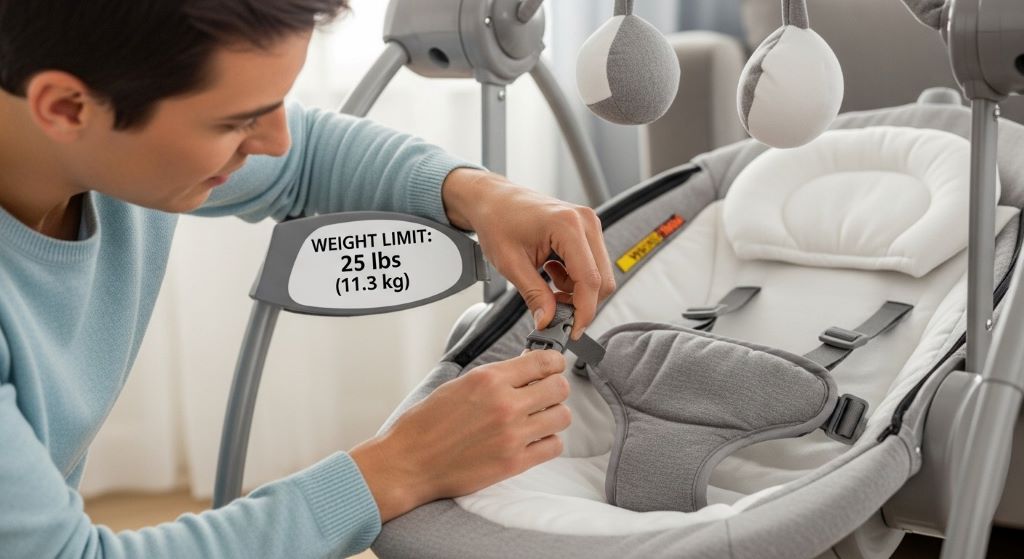
Every baby swing comes with manufacturer-specified weight restrictions that you must follow strictly. These limits exist because the swing’s motor, frame, and suspension system are engineered to safely support babies up to a certain size. Exceeding these limits can cause mechanical failure or tipping.
Most portable swings accommodate babies from birth up to 20 or 25 pounds, though some models support slightly more. Therefore, you’ll need to weigh your baby regularly and stop using the swing once they approach the maximum weight. Don’t wait until they exceed the limit.
Weight isn’t the only factor to consider. Developmental milestones matter too. Once your baby can sit up unassisted or attempts to climb out, the swing becomes unsafe regardless of weight. Active babies who try to shift their position or grab the swing’s frame create tipping hazards.
Some parents wonder if they can continue using a swing for a smaller baby who has reached developmental milestones. The answer is no. Movement ability trumps weight in determining when to stop using the swing. A baby who can roll over or push up might shift into unsafe positions during swing use.
Proper Infant Positioning in the Swing
How you position your newborn in the swing directly impacts their safety and comfort. Newborns have limited neck control and require different positioning than older infants. Understanding these needs helps prevent potential breathing difficulties or positional asphyxiation.
Always place your baby on their back in the swing. This position aligns with safe sleep recommendations and reduces suffocation risks. Never position a newborn on their stomach or side, even if they seem to prefer it.
The recline angle is particularly important for young babies. Look for swings that offer a nearly flat position for newborns. As your baby develops better head control, usually around three months, you can gradually adjust to more upright positions. Some swings provide multiple recline settings to accommodate different developmental stages.
Ensure the harness fits snugly but comfortably. You should be able to fit two fingers between the straps and your baby’s body. Loose straps allow babies to slump or shift into dangerous positions. Conversely, overly tight straps can restrict breathing or cause discomfort.
Support your newborn’s head if the swing doesn’t provide adequate padding. Some models include special inserts designed for younger babies. These inserts help maintain proper head alignment and prevent slouching that could obstruct airways.
Setting Up Your Swing Safely
Proper setup creates a foundation for safe swing use. Start by choosing an appropriate location away from walls, furniture, and other objects. The swing needs clearance on all sides to move freely without bumping into anything.
Place the swing on a flat, level surface. Uneven floors can cause instability and increase tipping risks. Avoid using swings on elevated surfaces like tables, countertops, or beds. Even if the swing seems stable, it could vibrate toward the edge during operation.
Keep the swing away from hazards like cords, blinds, or hanging decorations. Babies’ movements can be unpredictable, and dangling objects present strangulation risks. Similarly, position the swing away from heat sources, direct sunlight, or drafty areas that might make your baby uncomfortable.
Assemble the swing according to manufacturer instructions without skipping steps. Use all provided hardware and tighten screws firmly. Periodically check connections to ensure nothing has loosened over time. Additionally, inspect the fabric and straps for wear or damage before each use.
Monitoring Your Baby During Swing Use
Never leave your newborn unattended in a swing, even for a moment. Constant supervision allows you to quickly address any problems that arise. Babies can shift positions, spit up, or experience breathing difficulties without warning.
Watch for signs of discomfort or distress. These include fussiness, color changes, unusual breathing patterns, or attempts to move out of position. If your baby shows any concerning signs, remove them from the swing immediately.
Limit swing sessions to reasonable durations. While swings can be helpful, babies shouldn’t spend excessive time in them. Most experts recommend limiting swing time to 30 minutes per session, with breaks in between. This prevents your baby from remaining in one position too long.
Remember that swings are not approved sleeping spaces. Although babies often fall asleep in swings, this isn’t safe for extended periods. Once your baby falls asleep, move them to a firm, flat surface like a crib or bassinet that meets safe sleep guidelines.
Maintaining Newborn Swing Safety Standards
Regular maintenance ensures your swing continues operating safely. Clean the swing according to manufacturer guidelines, paying special attention to the harness and buckles. Food particles, spit-up, and other debris can interfere with proper buckle function.
Inspect moving parts regularly for signs of wear. Motors can weaken over time, and joints can loosen. Strange noises, jerky movements, or reduced swinging speed might indicate mechanical problems requiring attention.
Replace batteries or check power cords as needed. Dying batteries can cause erratic motion that might startle or harm your baby. If your swing uses a power cord, ensure it’s positioned where nobody can trip over it or accidentally unplug it during use.
Check for product recalls periodically. Manufacturers sometimes discover safety issues after products reach consumers. Registering your swing with the manufacturer ensures you receive recall notifications promptly.
Common Safety Mistakes to Avoid
Many parents make well-intentioned mistakes that compromise safety. Understanding these common errors helps you avoid them with your own baby.
Adding extra padding or blankets might seem helpful but can create suffocation hazards. The swing comes designed with appropriate padding. Adding more can cause your baby to slump into unsafe positions or cover their face.
Using the swing as a car seat substitute is extremely dangerous. Portable swings aren’t crash-tested or approved for vehicle use. The restraint systems differ significantly from proper car seats. Additionally, the swing’s structure could collapse or become a projectile during an accident.
Relying too heavily on swings can interfere with normal development. Babies need floor time to practice rolling, reaching, and other motor skills. They also benefit from being held and interacting with caregivers. Use swings as occasional tools, not constant solutions.
Ignoring your instincts when something feels wrong puts your baby at risk. If a swing seems unstable, makes unusual noises, or doesn’t feel right, stop using it. Trust your judgment and prioritize your baby’s safety over convenience.
Understanding Age-Appropriate Use
Different swings suit different ages, and newborns have specific requirements. Some swings are labeled for use from birth, while others are appropriate only for older infants. Reading labels carefully prevents using products before babies are ready.
Newborns under one month old need special consideration. Their neck muscles are very weak, and their heads are proportionally large and heavy. This combination makes proper support crucial. Look for swings specifically designed for newborns with adequate head and neck support.
As babies grow and develop, their needs change. A three-month-old has different requirements than a newborn. Fortunately, many swings adjust to accommodate developmental changes. Take advantage of these features rather than assuming one setting works for all ages.
Stop using the swing when your baby reaches any limit: weight, developmental milestone, or age recommendation. Don’t push boundaries hoping to extend the swing’s usefulness. The risks aren’t worth the convenience.
Alternatives and Complementary Soothing Methods
While swings can be helpful, they shouldn’t be your only soothing strategy. Diversifying your calming techniques benefits both you and your baby.
Babywearing keeps your infant close while freeing your hands. Soft carriers distribute your baby’s weight comfortably and allow them to feel your heartbeat and warmth. This closeness often calms fussy babies effectively.
Gentle bouncing on an exercise ball provides similar motion to a swing without the equipment. Sit on the ball while holding your baby securely and bounce gently. This technique gives you exercise while soothing your infant.
White noise machines or apps recreate womb-like sounds without restraining your baby. These sounds can be used during floor time, in the crib, or while you hold your baby. They provide comfort without the position concerns associated with swings.
Skin-to-skin contact offers powerful calming effects for newborns. Holding your baby against your bare chest regulates their temperature, heart rate, and stress hormones. This simple technique costs nothing and strengthens your bond.
Traveling with Portable Swings
The portability of these swings makes them tempting for travel. However, using swings away from home requires extra precautions.
Inspect any new location carefully before setting up the swing. Hotel rooms, relatives’ homes, and vacation rentals may have different floor surfaces or space constraints. Ensure the swing has adequate clearance and sits on a stable surface.
Bring instruction manuals when traveling. You might need to disassemble and reassemble the swing, and having instructions prevents mistakes. Additionally, manuals include safety reminders that are easy to forget when you’re away from your routine.
Consider whether the swing is truly necessary for your trip. Sometimes simpler solutions work better when traveling. A lightweight baby wrap might be more practical than transporting a swing, especially on longer trips.
When to Seek Professional Guidance
Sometimes questions arise that require expert input. Knowing when to consult professionals helps ensure you’re making safe choices.
Contact your pediatrician if you notice any physical effects from swing use. Red marks from harnesses, flat spots on your baby’s head, or changes in sleep patterns warrant professional evaluation. Your doctor can assess whether these issues stem from the swing or other causes.
Physical therapists can evaluate positioning concerns. If you’re unsure whether your baby’s position in the swing is appropriate, a professional assessment provides peace of mind. They can also suggest modifications or alternatives if needed.
Lactation consultants sometimes address feeding-related timing questions. If you wonder how long to wait after feeding before using the swing, or if swing use affects feeding patterns, these specialists offer evidence-based guidance.
Building Safe Habits from the Start
Creating good habits early makes safety second nature. Consistency in how you use the swing prevents complacency that can lead to accidents.
Develop a pre-use checklist that you follow every time. Check the harness, inspect the frame, ensure proper positioning, and verify the area is clear. This routine takes only moments but significantly reduces risks.
Keep the swing clean and well-maintained through regular care schedules. Don’t wait until visible dirt accumulates. Consistent cleaning prevents buildup that could affect performance or harbor bacteria.
Stay informed about current safety recommendations. Guidelines evolve as research reveals new information. Following reputable parenting and safety organizations helps you stay current.
Conclusion
Using a portable baby swing safely requires attention to multiple factors, from choosing the right product to monitoring your baby during use. Understanding newborn swing safety, respecting swing weight limits, and ensuring proper infant positioning form the foundation of safe swing use.
Remember that swings are tools to use occasionally, not substitutes for holding, interacting with, or properly supervising your baby. They can provide helpful breaks and soothing motion, but they work best as part of a varied approach to infant care.
Always prioritize your baby’s safety over convenience. When in doubt, err on the side of caution. Trust your instincts, follow manufacturer guidelines, and don’t hesitate to seek professional advice when questions arise.
By following the guidance in this article and remaining vigilant about safety, you can use a portable swing confidently. Your baby will benefit from the soothing motion while you maintain peace of mind knowing you’re providing a safe environment. This careful approach to swing use supports your newborn’s wellbeing while helping you navigate the challenging early months of parenthood.
Frequently Asked Questions
Can I use a swing for my premature baby?
Premature babies require special consideration and medical guidance before using any equipment, including swings. Their muscle tone, breathing patterns, and positioning needs differ from full-term newborns. Always consult your pediatrician or neonatologist before placing a premature infant in a swing. They may recommend waiting until your baby reaches certain developmental milestones or weight thresholds.
How do I know if my baby is positioned correctly in the swing?
A correctly positioned baby lies on their back with their head supported and aligned with their spine. The harness should be snug but comfortable, allowing two fingers between the straps and your baby. Your baby’s airway should be clear, with no chin touching chest. If you notice your baby slumping, sliding, or their head falling forward, adjust the recline or remove them from the swing.
Is it safe to use a secondhand or hand-me-down swing?
Secondhand swings can be safe if they meet current safety standards, haven’t been recalled, and show no signs of damage or wear. Check the model against recall databases before use. Inspect all parts thoroughly, especially harnesses, buckles, and structural components. If the swing is more than a few years old, it may not meet current safety requirements. When in doubt, purchasing a new swing provides better peace of mind.
What should I do if my baby cries in the swing?
Remove your baby from the swing immediately if they cry persistently or show signs of distress. Crying indicates discomfort, hunger, a dirty diaper, or other needs that the swing cannot address. Never leave a crying baby in the swing hoping they’ll calm down on their own. Instead, hold your baby, check for basic needs, and try other soothing methods. Not all babies enjoy swings, and that’s perfectly normal.
Can I use the swing overnight for sleep?
No, swings are not approved for overnight sleep or unsupervised sleeping. Even though babies often fall asleep in swings, this practice carries risks including positional asphyxiation and sudden unexpected infant death. When your baby falls asleep in the swing, transfer them to a crib, bassinet, or other sleep surface that meets safe sleep guidelines. Safe sleep environments feature firm, flat surfaces free from soft bedding, bumpers, and toys.
Related Topics:
Top Baby Monitors with Night Vision for Safe Overnight Monitoring
How to Relieve Baby Gas Pain Naturally at Night: Proven Techniques for a Peaceful Sleep