

Key Takeaways:
- Understanding the science behind grass growth is essential for a healthy lawn.
- Proper soil preparation and seed selection significantly impact lawn establishment.
- Hydroseeding is a rapid, efficient way to achieve lush lawns.
- Regular maintenance practices are crucial for sustaining lawn health.
Introduction
A healthy, fast-growing lawn goes beyond aesthetics it’s the result of a thoughtful process combining scientific understanding with practical application. Homeowners aiming for a resilient, green yard should learn the core principles of grass growth, soil care, and the latest seeding techniques. Particularly in challenging environments, such as areas recovering from wildfire damage, specialized approaches, like reseeding burn areas Southern California, can jump-start the restoration of your landscape.
Whether establishing a new lawn or rejuvenating an existing one, it’s important to understand how environmental factors, soil chemistry, and advanced methods can make or break your success. By tapping into innovative solutions, you can foster thick, beautiful turf more quickly and with fewer setbacks.
Understanding Grass Growth
Healthy grass growth depends on the combined influence of soil conditions, climate factors, and consistent maintenance. Grass roots thrive in well-aerated soils, drawing necessary oxygen and nutrients while avoiding buildup of harmful thatch. Aeration breaks up compacted layers, permitting greater access to moisture and essential minerals. This encourages deeper root expansion, critical for drought resistance and long-term health.
Climate strongly influences which grass varieties will flourish. Cool-season species prefer temperate conditions, while warm-season grasses are adapted to heat and consistent sunlight. Assessing your regional climate and soil type helps you choose the best seed, ensuring your lawn’s resilience under local conditions.
Soil Preparation and Seed Selection
Optimal lawn establishment starts with well-prepared soil. Remove rocks, old roots, debris, and weeds to minimize competition for nutrients and water. Level the ground carefully and confirm drainage is sufficient to prevent waterlogging and root rot. Next, think about amending your soil; a basic soil test can reveal pH issues or nutrient deficiencies. Adding compost enriches organic matter, aiding moisture retention and bacterial balance.
Seed selection should fit your location. In addition to climate, consider your yard’s sun exposure, anticipated foot traffic, and maintenance preferences. Popular choices include fescue and bluegrass for cooler regions and Bermuda or zoysia for warmer ones. Consult your local extension office or reputable sources, such as the Grass Types Guide from Gardening Know How, for species recommendations.
Hydroseeding: A Rapid Lawn Establishment Method
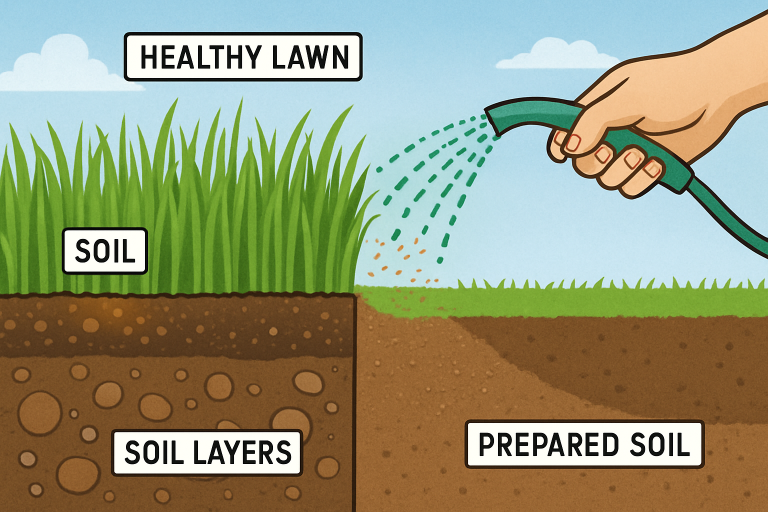
Hydroseeding has changed the landscape game for both large properties and residential projects. This technique involves spraying a slurry mix typically made up of water, mulch, seeds, and starter fertilizer across the prepared soil. The mulch acts as a protective blanket, holding in moisture and nutrients while defending against erosion or wind. This even coverage results in rapid, uniform germination, reducing bare patches and outcompeting weeds.
One of the main advantages of hydroseeding is its speed. Homeowners often report visible grass shoots within a week and a thickly established lawn in just a month. This method is also eco-friendly when paired with low-impact fertilizers and water-saving practices, making it a popular choice for quick lawn recovery after events like fire damage or new construction.
Maintenance Practices for Lawn Health
Watering Wisely
Proper irrigation is essential to water deeply but infrequently to stimulate robust root growth and enhance drought tolerance. Watering early in the morning reduces both evaporation and disease risk. Under- or over-watering are common mistakes, so monitor soil moisture and adjust watering frequency based on rainfall and seasonal needs.
Mowing and Fertilization
Adjust mowing heights based on grass type and current weather conditions. Taller grass shades the soil, reducing evaporation and discouraging weed seeds from germinating. Always mow with sharp blades and avoid removing more than one-third of the grass height at a time. Grass species, soil test results, and seasonal timing should all be considered when fertilizing; balanced, slow-release formulations are usually the most effective for consistent, vigorous growth.
Organic Lawn Care Approaches
Eco-conscious homeowners are increasingly turning to organic lawn management, which avoids harsh chemicals in favor of natural fertilizers, composting, and pest-repelling plants. Using compost tea, bone meal, or seaweed extracts, for example, builds soil fertility organically. Attracting natural pest predators, such as ladybugs and birds, provides biological control without endangering pollinators.
Common Challenges and Solutions
Weed Suppression
Dense, healthy lawns are the best defense against weeds. If invasive species do appear, hand-pulling or using vinegar-based organic sprays can help avoid the need for synthetics.
Pest Management
Integrated pest management strategies focus on early detection, use of resistant grass varieties, and support for natural pest predators. Spot treatments with organic solutions are preferable to broad chemical applications.
Soil Compaction Remedies
Heavy traffic and poor drainage cause soil compaction, restricting root growth. Annual aeration combats compaction, ensuring your grass receives the air, water, and nutrients needed for health and vigor.
Conclusion
Fast, lush lawns are within reach when homeowners engage with the biology of grass growth, invest in soil health, and adopt up-to-date establishment techniques. By taking a science-backed approach from proper preparation and seed selection to regular care and occasional hydroseeding, you can enjoy a lawn that is not only beautiful but also sustainable and resilient.