
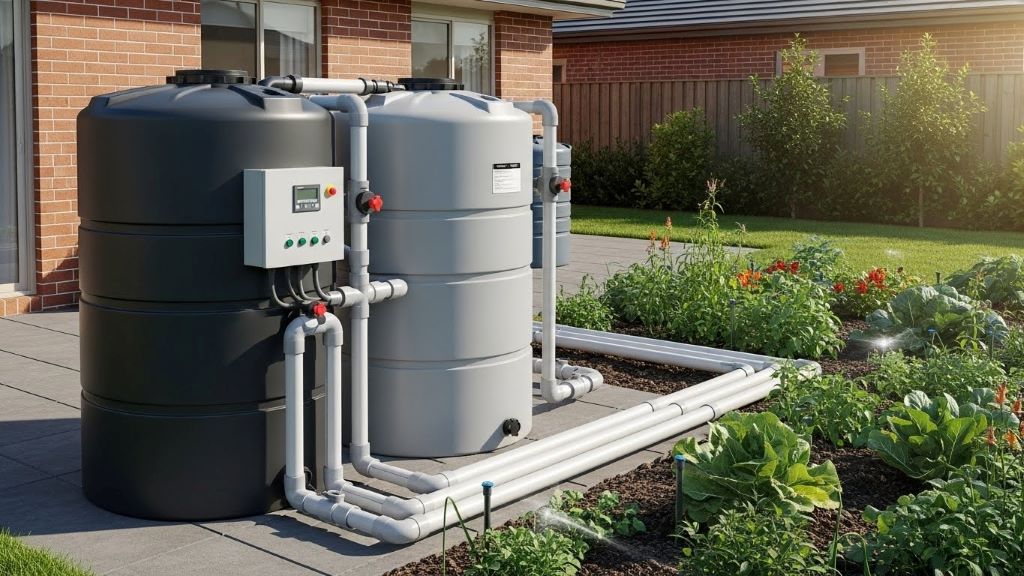
Water conservation has become a priority for homeowners worldwide. Rising utility costs and environmental concerns drive many to explore sustainable alternatives. Greywater recycling systems offer an effective solution by reusing water from sinks, showers, and washing machines for irrigation and toilet flushing. South East on Rent provides comprehensive resources for homeowners considering these eco-friendly installations.
Understanding the complete cost structure helps homeowners make informed decisions. Installation expenses vary based on system complexity, property size, and local regulations. However, the long-term savings often justify the initial investment. Many systems pay for themselves within five to ten years through reduced water bills.
When evaluating options, homeowners frequently ask how much do greywater reuse systems cost to install with all components. The answer depends on several factors including system type, installation complexity, and regional labor costs. A basic laundry-to-landscape system might cost between $500 and $2,000, while comprehensive whole-house systems can range from $5,000 to $15,000 or more.
Understanding Greywater System Components
Every greywater system requires specific components to function safely and efficiently. The collection network captures water from approved sources like washing machines, bathroom sinks, and showers. Filtration units remove lint, hair, and debris before distribution. Storage tanks hold filtered water until needed for irrigation or toilet flushing.
Additionally, distribution systems deliver treated greywater to designated areas. Pumps move water through pipes to garden beds or toilet cisterns. Control panels regulate flow rates and monitor system performance. Surge tanks prevent overflow during peak usage periods.
Quality components ensure system longevity and reliability. Therefore, investing in durable materials saves money over time. Cheaper alternatives might require frequent repairs or replacements.
Basic System Installation Costs
Simple greywater systems suit budget-conscious homeowners. Laundry-to-landscape configurations represent the most affordable option. These systems divert washing machine water directly to mulch basins around plants. Installation typically costs between $500 and $2,000 depending on property layout.
Branched drain systems offer another economical choice. Water flows by gravity through a network of pipes to various irrigation zones. Professional installation ranges from $1,500 to $4,000 for most residential properties. These systems work best for single-story homes with accessible plumbing.
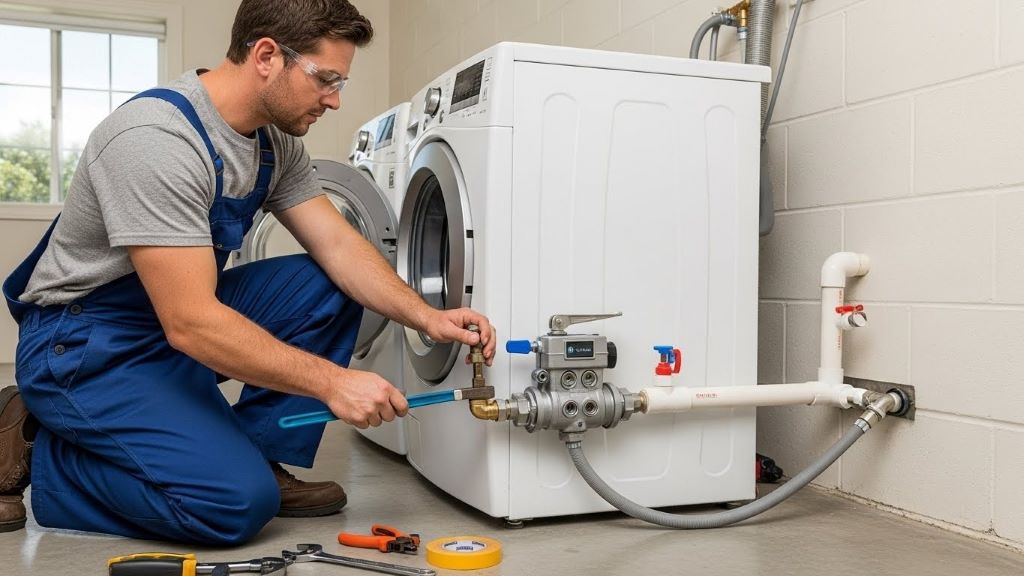
Moreover, DIY installation can reduce costs significantly. However, homeowners must comply with local building codes and obtain necessary permits. Many municipalities require licensed plumbers for certain aspects of installation.
Mid-Range System Options
Pumped greywater systems provide greater flexibility in water distribution. These configurations work well for multi-story homes or properties with challenging topography. Installation costs typically fall between $3,000 and $7,000 including materials and labor.
Automated systems with basic filtration offer improved water quality and convenience. Electronic controls manage distribution schedules and monitor flow rates. Consequently, these systems require less manual oversight than gravity-fed alternatives. Expect to invest $4,000 to $8,000 for complete installation.
Treatment wetlands combine natural filtration with aesthetic appeal. These systems use plants and beneficial bacteria to purify greywater before reuse. Installation costs range from $5,000 to $10,000 depending on wetland size and complexity.
Premium Whole-House Systems
Comprehensive greywater systems handle all household wastewater except toilet discharge. Advanced filtration removes contaminants to near-potable standards. These sophisticated setups cost between $8,000 and $15,000 for standard residential installations.
High-capacity systems suit large properties or multi-family dwellings. Multiple treatment stages ensure water quality meets stringent safety standards. Installation complexity increases costs to $12,000 to $25,000 or more. However, these systems offer maximum water savings and reuse potential.
Smart systems with remote monitoring provide real-time performance data. Homeowners can track water usage, filter status, and maintenance needs through mobile applications. Premium features add $2,000 to $5,000 to base system costs.
Additional Installation Expenses
Permit fees vary by jurisdiction and system complexity. Most municipalities charge between $100 and $500 for greywater system permits. Some areas require engineering stamps or environmental impact assessments, which increase costs further.
Plumbing modifications often represent a significant expense. Separating greywater and blackwater lines requires careful planning and skilled labor. Retrofitting existing homes typically costs more than new construction installations. Budget an additional $1,000 to $3,000 for extensive plumbing work.
Furthermore, landscape modifications may be necessary. Irrigation zones must accommodate greywater distribution systems. Mulch basins, subsurface irrigation lines, or drip systems require proper installation. These landscape improvements can add $500 to $2,500 to total project costs.
Regional Cost Variations
Labor rates differ substantially across regions. Urban areas typically have higher installation costs than rural locations. Coastal California and the Pacific Northwest often see premium pricing due to demand and strict regulations. According to EPA water conservation guidelines, installation costs can vary by 30 to 50 percent based on geography.
Material availability also affects pricing. Remote locations may face higher shipping costs for specialized components. Conversely, areas with established greywater industries offer competitive pricing and experienced installers.
Climate considerations influence system design and costs. Cold regions require frost-proof components and insulated storage tanks. Desert climates need larger storage capacity to maximize water conservation during peak demand periods.
Ongoing Maintenance Costs
Regular maintenance ensures system reliability and longevity. Filter cleaning or replacement represents the primary recurring expense. Basic filters cost $20 to $100 and require replacement every three to six months. Advanced filtration systems may need professional servicing annually at $200 to $500 per visit.
Pump maintenance extends equipment lifespan. Most pumps last five to ten years with proper care. Replacement costs range from $300 to $800 including labor. Therefore, establishing a maintenance budget prevents unexpected expenses.
Additionally, monitoring systems require periodic calibration. Professional technicians should inspect electronic controls and sensors annually. These service calls typically cost $150 to $300 depending on system complexity.
Financial Incentives and Rebates
Many water utilities offer rebates for greywater system installation. Rebate amounts vary from $500 to $3,000 based on system capacity and water savings potential. Some municipalities provide expedited permitting for qualified systems. Check with local water authorities about available incentive programs.
Tax credits may apply in certain jurisdictions. Federal and state programs occasionally include water conservation measures in environmental tax incentives. Consult with a tax professional to identify applicable deductions or credits.
Moreover, increased property values offset installation costs. Sustainable features appeal to environmentally conscious buyers. Real estate professionals report that water-saving systems can increase home values by 2 to 5 percent.
Choosing the Right System
Property assessment guides system selection. Consider lot size, landscape water requirements, and household water production. A family of four generates approximately 80 to 120 gallons of greywater daily. Match system capacity to actual needs for optimal efficiency.
Budget constraints often determine system sophistication. Start with a basic configuration and plan for future upgrades. Modular systems allow incremental expansion as finances permit. This approach spreads costs over time while providing immediate water savings.
Professional consultation proves valuable for complex installations. Experienced designers evaluate site conditions and recommend appropriate solutions. Their expertise helps avoid costly mistakes and ensures regulatory compliance. Design fees typically range from $500 to $2,000 but can prevent expensive errors.
Return on Investment
Water bill savings accumulate quickly with greywater systems. Typical households reduce outdoor water use by 30 to 50 percent. In areas with high water rates, annual savings can exceed $500. Simple systems may pay for themselves in five years or less.
Property resilience increases during drought conditions. Greywater systems maintain landscape health when water restrictions limit outdoor watering. This benefit proves especially valuable in water-scarce regions experiencing frequent droughts.
Environmental benefits extend beyond individual properties. Reduced demand on municipal water systems and treatment plants benefits entire communities. Every gallon reused represents one less gallon requiring energy-intensive treatment and distribution.
Conclusion
Greywater system installation costs vary widely based on complexity, components, and regional factors. Basic systems start around $500, while comprehensive whole-house configurations can exceed $15,000. However, long-term water savings, environmental benefits, and increased property values make greywater recycling a worthwhile investment.
Careful planning and professional guidance ensure optimal system selection. Consider household needs, budget constraints, and local regulations when evaluating options. Available rebates and incentives can significantly reduce net costs. Ultimately, greywater systems represent a practical step toward sustainable living and water conservation.
Frequently Asked Questions
How long does greywater system installation take?
Installation duration depends on system complexity. Simple laundry-to-landscape systems can be completed in one to two days. Comprehensive whole-house systems may require one to two weeks including plumbing modifications, equipment installation, and landscape integration.
Do greywater systems require special maintenance?
Yes, regular maintenance ensures optimal performance. Filters need cleaning or replacement every three to six months. Annual professional inspections cost $150 to $500 depending on system complexity. Proper maintenance extends equipment life and prevents costly repairs.
Can I install a greywater system myself?
Basic systems like laundry-to-landscape configurations are suitable for DIY installation. However, more complex systems require professional installation to ensure code compliance and proper function. Always check local regulations before attempting self-installation, as permits may require licensed contractors.
Will a greywater system increase my home value?
Sustainable features like greywater systems appeal to environmentally conscious buyers. Real estate professionals report potential home value increases of 2 to 5 percent. Additionally, documented water savings make properties more attractive in drought-prone regions.
Are there restrictions on how I can use recycled greywater?
Regulations vary by location, but most jurisdictions prohibit using greywater on edible root vegetables or produce that touches the ground. Greywater is typically approved for ornamental landscape irrigation, fruit trees, and toilet flushing. Always verify local codes before designing your system.
Related Topics:
Building a DIY Workbench for a Small Garage Space: The Ultimate Guide for Maximizing Your Workshop