

Key Takeaways
- Window films can significantly reduce energy costs by minimizing heat gain and loss throughout the year.
- They enhance occupant comfort by reducing harsh glare, creating more uniform and comfortable indoor environments.
- Security window films enhance glass, providing an additional layer of protection against break-ins and accidents.
- Decorative films improve privacy and aesthetics without compromising the inflow of uplifting natural light.
As modern buildings strive to meet increasing demands for sustainability, security, and architectural finesse, commercial window films have become an indispensable solution for architects, property managers, and business owners alike. Serving well beyond the role of simple glass tinting, commercial window tinting integrates both functionality and aesthetics, offering unique advantages that support energy efficiency, occupant well-being, and the creation of visually impressive building designs. Today, window films are engineered using advanced technologies, making them more durable and multifunctional than ever before.
From mitigating excessive heat that can burden HVAC systems to enhancing building security, these specialized films can transform virtually any existing glass surface into a high-performance component of your property. Unlike complete window replacement, film applications are minimally invasive, cost-effective, and suitable for both retrofit and new construction projects. In addition to providing essential functional benefits, they enhance curb appeal and brand visibility, enabling buildings to stand out while safeguarding investments and promoting long-term operational savings.
Energy Efficiency and Cost Savings
Enhancing energy efficiency has become increasingly crucial for commercial facility management, given the rising costs of utilities and stricter energy regulations. A practical solution is the use of window films on glazing systems, which block solar heat, reducing both heat gain in summer and heat loss in winter. This results in lower HVAC loads, leading to energy bill savings and compliance with energy efficiency codes. According to the U.S. Department of Energy, energy-efficient films can cut annual energy costs by 5% to 15%, often with a return on investment in a few years, thus improving operational budgets and the long-term value of commercial real estate. For instance, window tinting Ballantyne addresses the unique needs of this rapidly expanding business district, where thermal comfort, visual appeal, and energy efficiency are essentials for modern commercial success and employee retention.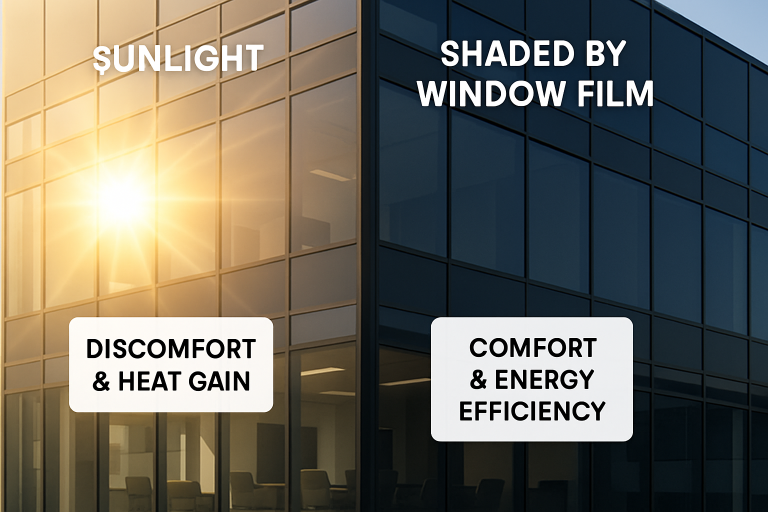
Enhanced Comfort and Productivity
One of the most common grievances among office workers and building occupants is the issue of uncontrolled sunlight, which can create blinding glare on screens, uncomfortable hot spots, and fluctuating indoor temperatures. Window tinting delivers a proven solution by filtering out harsh sunlight, balancing illumination, and promoting an even, comfortable environment regardless of outdoor conditions. This stable and pleasant interior climate reduces the distraction and physical discomfort caused by glare and excessive heat, encouraging focus and productivity within commercial spaces. By making workplaces more inviting for employees and more welcoming for clients, proper window film installation is a simple yet effective step towards supporting staff engagement and job performance over the long term.
UV Protection and Interior Preservation
Ultraviolet (UV) rays are renowned for causing gradual fading and accelerated deterioration of valuable indoor assets, such as carpets, drapes, wooden flooring, artwork, furnishings, and even sensitive electronic equipment. Left unchecked, these harmful rays can decrease the lifespan and vibrancy of building interiors, leading to higher ongoing replacement costs and diminished building appearance. Modern commercial window films are specially developed to eliminate up to 99% of UV penetration, acting as a protective barrier to safeguard expensive interiors and maintain their original finish and color. As highlighted by Architectural Digest, taking proactive steps like installing window films can substantially extend the usable life of interior finishes and reduce both direct repair expenses and the indirect costs associated with a tired-looking commercial space.
Security and Safety Enhancements
Commercial buildings often face risks from break-ins, vandalism, natural disasters, or accidental glass breakage. Security window films play a critical role in mitigating these risks by increasing glass resilience. If glass is struck or shattered, the film holds the fragments in place—preventing dangerous shards from scattering, which lowers the chances of injury and deters quick unauthorized entry. The robust, nearly invisible layer from these specialized films is a proven deterrent against theft and intrusion and can also help maintain a secure building envelope during extreme weather events. Building owners and security managers value window films for providing heightened peace of mind without compromising architectural intent or visibility.
Aesthetic Appeal and Branding Opportunities
Beyond their practical utility, decorative and branded window films present a cost-effective means to enhance the visual impression of retail stores, office lobbies, meeting rooms, and exterior facades. These films can be custom-designed with company logos, frosted or textured details, geometric patterns, or vibrant colors to both differentiate a business and deliver privacy in key areas. They enable organizations to update their appearance and reinforce their brand identity, creating distinct and memorable spaces that stand out to visitors and clients. Compared to full-scale renovations, decorative films provide a swift and flexible way to modernize facilities and adapt to evolving design trends, all while preserving abundant natural daylight for a healthy indoor environment.
Environmental Benefits
Adopting advanced window films aligns with broader corporate sustainability plans by actively reducing energy consumption and thereby cutting overall greenhouse gas output. By optimizing building energy efficiency, companies not only reduce costs but also enhance their performance in green building certification programs, such as LEED or WELL standards. As businesses become increasingly aware of their social and environmental impact, the ability to conserve energy and minimize carbon footprints has become a crucial aspect of corporate responsibility.
Conclusion
Modern commercial window films offer numerous benefits, including energy savings, increased comfort, protection of interior spaces, enhanced building safety, and attractive environments. They help reduce operational costs, safeguard investments, and create appealing workspaces. This upgrade not only enhances facility value and performance but also ensures compliance with contemporary building standards and sustainability demands.