

Key Takeaways
- Regular oil changes ensure proper lubrication, reducing engine wear and tear.
- Fresh oil helps to keep the engine at a safe operating temperature and to prevent overheating.
- Proper oil maintenance can boost fuel efficiency and greatly extend engine life.
When it comes to vehicle maintenance, few tasks offer as much return on investment as routine oil changes. Keeping up with your oil schedule not only protects your engine but also saves you time and money on costly repairs in the long run. If you’re unsure where to get a quick oil change in Chicago, this guide can help you start on the right foot and understand why this basic service is so critical for your car’s health.
Regular oil changes are essential for maintaining a vehicle, protecting the engine from wear and tear, and enhancing its overall performance. They help maintain fuel economy and reduce emissions. Drivers should follow the manufacturer’s recommendations and consider their driving habits to determine the optimal oil change intervals. Additionally, the Consumer Reports guide offers insights into best practices for oil changes.
The Role of Engine Oil in Vehicle Performance
Engine oil is often referred to as the lifeblood of a vehicle, and with good reason. High-quality, clean oil is responsible for several essential functions within modern engines:
- Lubrication: Oil forms a slippery barrier between moving metal parts, reducing friction, minimizing heat, and preventing direct contact that could cause damage.
- Cooling: In addition to the coolant system, oil helps transfer heat away from high-friction areas, thereby maintaining stable engine temperatures.
- Cleaning: Detergents and additives in the oil pick up dirt, tiny metal shavings, and carbon deposits, transporting them to the oil filter and reducing the formation of harmful sludge.
- Sealing: Oil fills small gaps between pistons, rings, and cylinder walls, ensuring maximum compression and optimal performance.
When oil changes are missed or delayed, contaminants begin to accumulate, lubrication breaks down, and overall protection diminishes—making the engine more susceptible to damage and reduced performance.
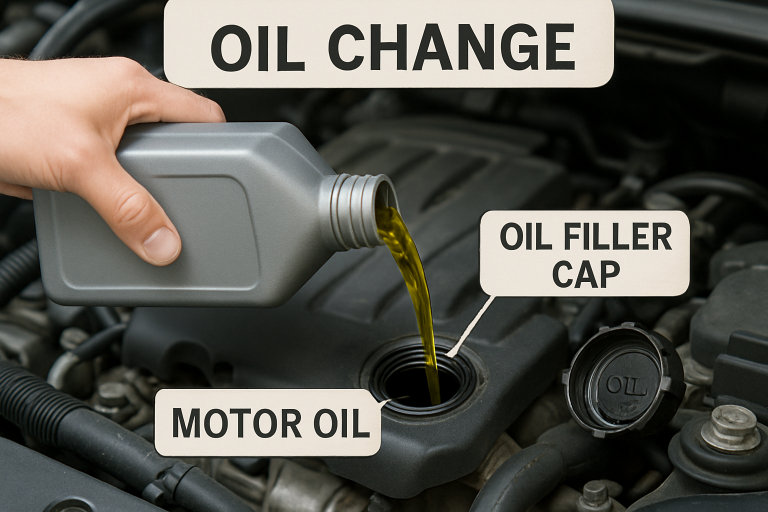
Benefits of Regular Oil Changes
Enhanced Engine Longevity
Consistent oil changes help prevent the buildup of deposits and sludge that can restrict oil flow and wear out engine parts. By keeping contaminants in check, fresh oil ensures smooth operation, reducing the chance of premature engine failure and supporting your vehicle’s long-term health.
Improved Fuel Efficiency
Engines that run on clean oil operate more efficiently with less internal drag. Reduced friction means the engine doesn’t have to work as hard, which translates directly into better gas mileage—a difference that becomes more pronounced with city driving and longer commutes.
Prevention of Costly Repairs
During a routine oil change, mechanics often check for leaks, worn belts, and other potential issues. Detecting minor problems early can prevent them from escalating into expensive repairs, saving you stress and money over the life of your car.
Recommended Oil Change Intervals
Older guidelines recommended oil changes every 3,000 miles, but advances in engine design and oil formulations have extended this to 5,000, 7,500, or even 10,000 miles for some vehicles. Always consult your owner’s manual for the manufacturer’s specific guidance. Several factors may affect how often you should service your vehicle:
- Frequent short trips, which don’t allow the engine to fully warm up
- Driving in dusty or heavily polluted environments
- Towing heavy loads or driving in extreme heat or cold
- Using synthetic versus conventional oil
Tailoring your oil change frequency to your vehicle’s make and model, as well as your driving habits, helps ensure optimal protection. For more in-depth information, The New York Times offers a detailed exploration of oil intervals and modern vehicle requirements.
Signs Your Vehicle Needs an Oil Change
Your vehicle provides several warning signs when it’s due for fresh oil:
- Oil on the dipstick appears dark, gritty, or thick
- The engine runs louder, or you notice knocking or ticking sounds
- The dashboard oil light, or check engine light, illuminates
- Unexplained drop in fuel efficiency
- Visible smoke coming from the exhaust
Ignoring these signs can lead to more severe engine issues and costly repairs. Regularly monitoring your car’s oil level and appearance is a simple habit that pays off in reliability and performance.
Choosing the Right Oil for Your Vehicle
The vast array of engine oils on the market can make selection overwhelming, but following your manufacturer’s recommendations takes out most of the guesswork. Here’s what to consider:
- Viscosity: This is a measure of the oil’s thickness and its ability to flow at different temperatures. Using the wrong viscosity can affect protection and performance.
- Type: Conventional, synthetic, or blended oils each have different benefits. Synthetics, for example, offer better protection in extreme temperatures and longer intervals between changes.
- Certifications: Look for labels such as API (American Petroleum Institute) or ILSAC (International Lubricant Standardization and Approval Committee), which guarantee quality and compatibility.
Don’t hesitate to consult a trusted mechanic or your dealership service center if you’re uncertain about the best option for your car.
Environmental Impact of Regular Oil Changes
Maintaining your oil also benefits the environment. Engines in top condition burn fuel more cleanly, producing fewer harmful emissions. Moreover, the responsible disposal and recycling of used oil prevent contamination of water and soil. Most quick-service locations and auto parts stores offer free oil recycling, making it easy to do your part for the planet.
Conclusion
Routine oil changes form the cornerstone of smart vehicle ownership. They not only shield your engine from wear, heat, and contaminants but also help maintain performance, maximize efficiency, and prevent unexpected breakdowns. By following the recommended intervals, paying attention to warning signs, and selecting oil that meets your vehicle’s needs, you can ensure smooth driving for years to come—and protect both your investment and the environment.